check

check

check

check

check

check
In the demanding world of industrial automation, where machinery operates with relentless force and precision, the margin for error is virtually zero. At the heart of ensuring both operational safety and accuracy lies a critical component: the limit switch. Among the most trusted names in this field is Stahl, a brand synonymous with reliability, durability, and innovation, particularly in hazardous environments. The Stahl limit switch is not merely a component; it is a guardian of process integrity and personnel safety.
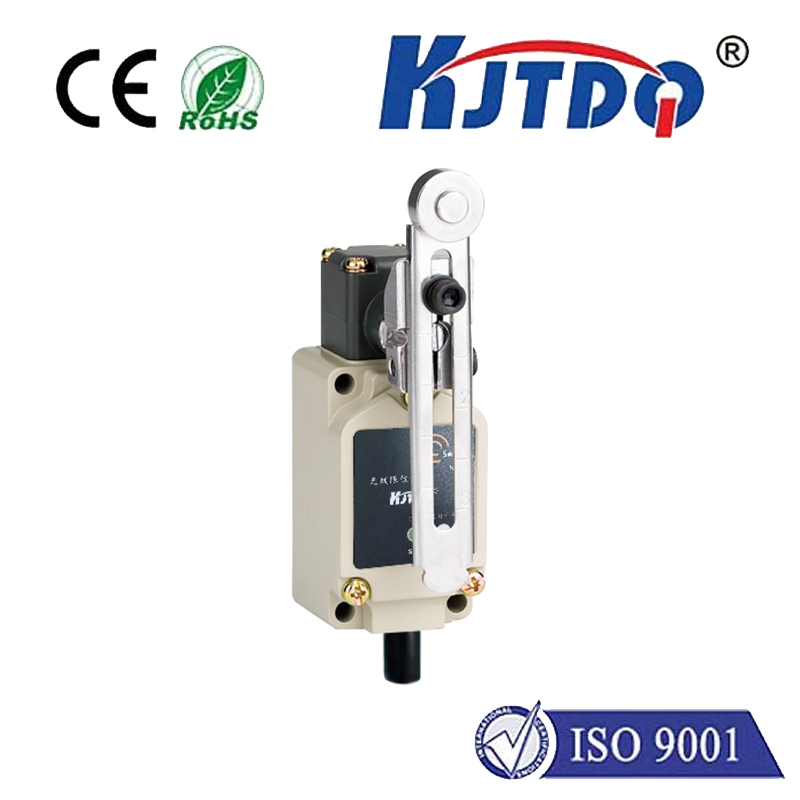
A limit switch is an electromechanical device designed to detect the presence or absence of an object, or to monitor the limits of movement. It acts as a sentinel, sending a control signal to stop, start, or alter the sequence of a machine's operation once a preset limit is reached. This simple yet vital function prevents over-travel, collisions, and potential damage to expensive equipment, while also safeguarding operators from harm. In applications ranging from conveyor belts and crane systems to robotic arms and valve positioning, the role of the limit switch is indispensable.
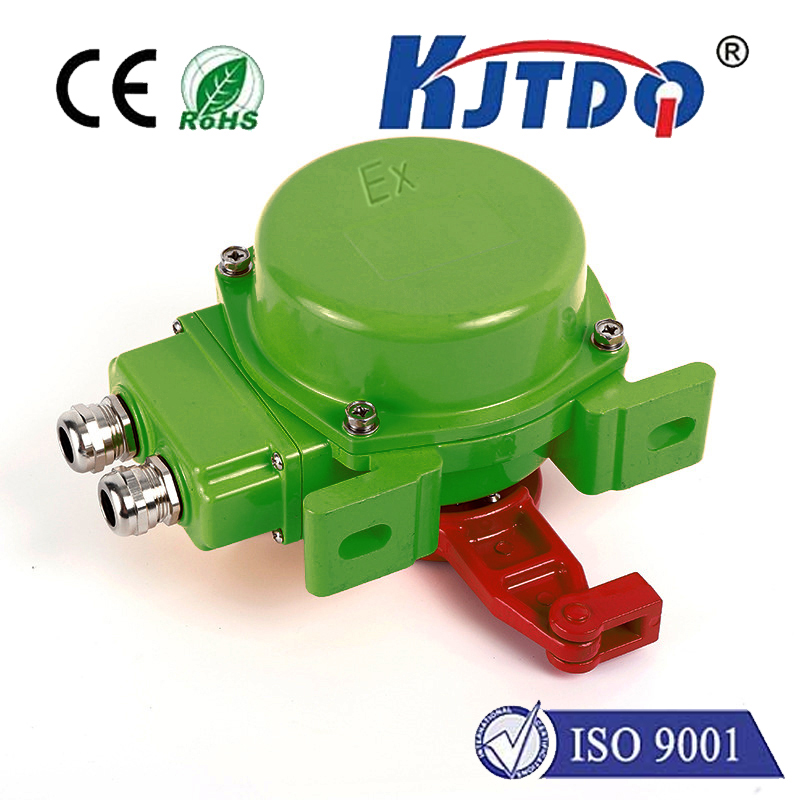
What sets the Stahl limit switch apart is its engineering excellence tailored for extreme conditions. Stahl, a leading manufacturer of explosion-protected electrical equipment, designs its limit switches to meet the rigorous standards of hazardous areas—classified zones where flammable gases, vapors, or dusts may be present. These switches are housed in robust enclosures, often made from corrosion-resistant materials like stainless steel or high-grade aluminum with polycarbonate windows. The construction ensures they can withstand not only the risk of explosion but also the daily assaults of moisture, dust, vibration, and mechanical impact common in industrial settings like chemical plants, oil refineries, mining operations, and grain silos.
The operational principle of a Stahl limit switch is both robust and versatile. Typically, it features an actuator arm or plunger. When a moving machine part makes contact with this actuator, it triggers the internal switching mechanism. This mechanism, which may be slow-action for high electrical load breaking capacity or snap-action for precise and rapid response, then changes the state of the electrical contacts. These contacts are meticulously designed to prevent sparking, a crucial feature for explosion safety. The signal generated can be used to immediately halt a motor, reverse a direction, activate an alarm, or register a count in a production line.
Beyond basic safety, Stahl limit switches contribute significantly to enhancing process precision and efficiency. By providing definitive positional feedback, they enable repeatable and accurate machine cycles. This reduces product variability, minimizes waste from misaligned operations, and ensures consistent quality in manufacturing. Their rugged design translates to reduced downtime; these switches are built for longevity, requiring less frequent maintenance or replacement even under continuous, heavy-duty operation. This reliability directly impacts the bottom line by maximizing productivity and minimizing unexpected stoppages.
Selecting the right Stahl limit switch involves considering several key factors. The environmental conditions are paramount: the specific type of hazardous zone (gas or dust), the required ingress protection (IP) rating against solids and liquids, and the temperature range. The mechanical specifications, such as actuator type (roller lever, plunger, wobble stick), operating force, and repeat accuracy, must match the application's physical demands. Electrical ratings, including voltage, current, and contact configuration (normally open or closed), must be compatible with the control system. Fortunately, Stahl offers a comprehensive portfolio, allowing engineers to find the exact model for their unique operational challenges.
Installation and proper maintenance are the final steps in leveraging the full potential of these devices. Correct mounting alignment is essential to ensure the actuator is engaged accurately by the target object. Regular inspections should check for any physical damage to the housing or actuator, signs of corrosion, and secure cable connections. While Stahl switches are designed for endurance, periodic functional testing verifies they continue to operate as the critical fail-safe mechanism they are intended to be.
In conclusion, in the intricate dance of industrial automation, the Stahl limit switch performs a silent, non-negotiable role. It is the definitive point of control where motion meets safety, where mechanical action is translated into electrical certainty. By integrating these expertly engineered switches into control systems, industries do more than protect assets and people; they build a foundation of unwavering reliability that drives precision, efficiency, and continuous operational success. Choosing Stahl is an investment in creating a safer, smarter, and more resilient industrial environment.