check

check

check

check

check

check
In the world of modern radiation therapy, the precision and reliability of medical linear accelerators are paramount. Among the critical components ensuring this operational integrity is the often-overlooked limit switch. Specifically, for the Varian Clinac CS 7 system, the limit switch plays a fundamental role in machine safety and accurate beam delivery. This article delves into the function, importance, and maintenance considerations of the Clinac CS 7 limit switch, providing essential insights for clinical engineers and medical physicists.
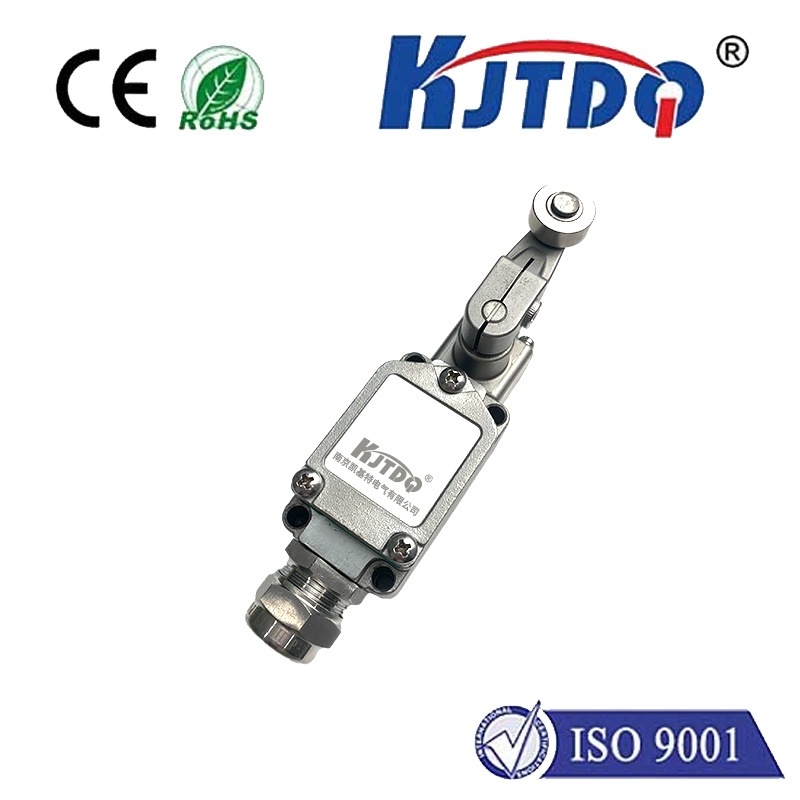
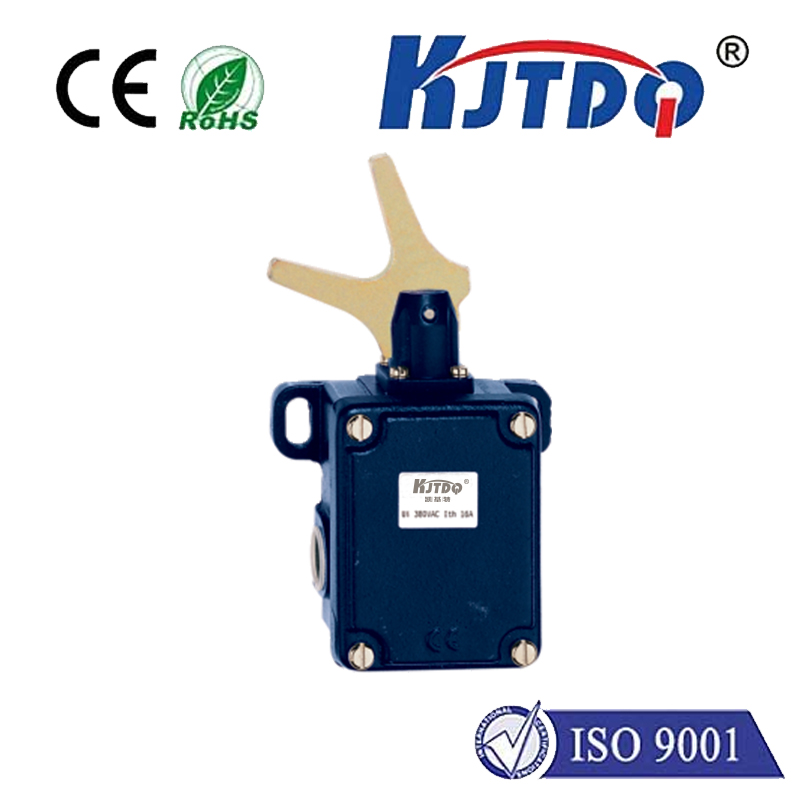
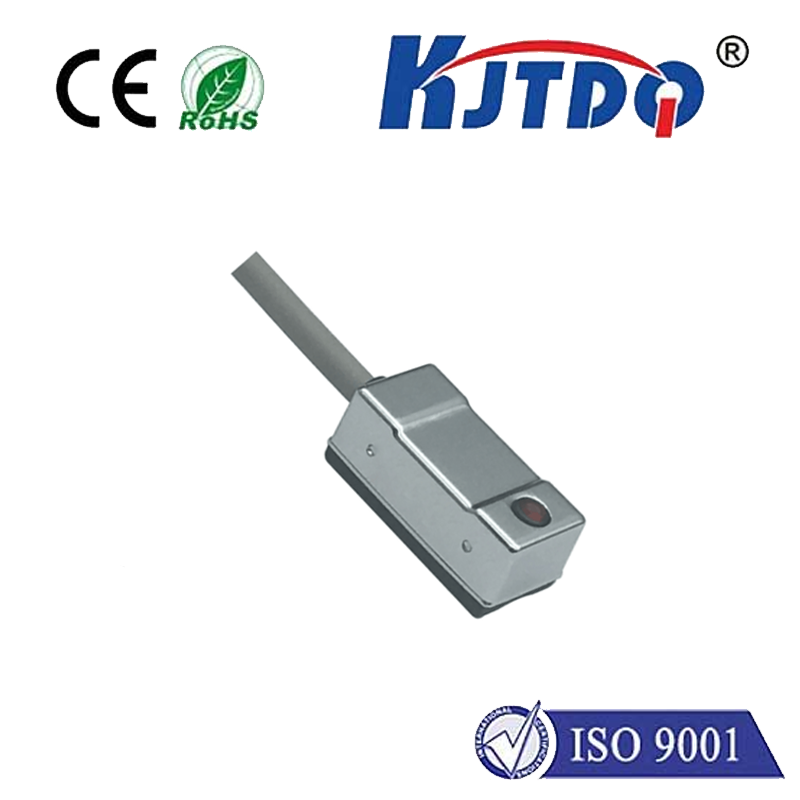
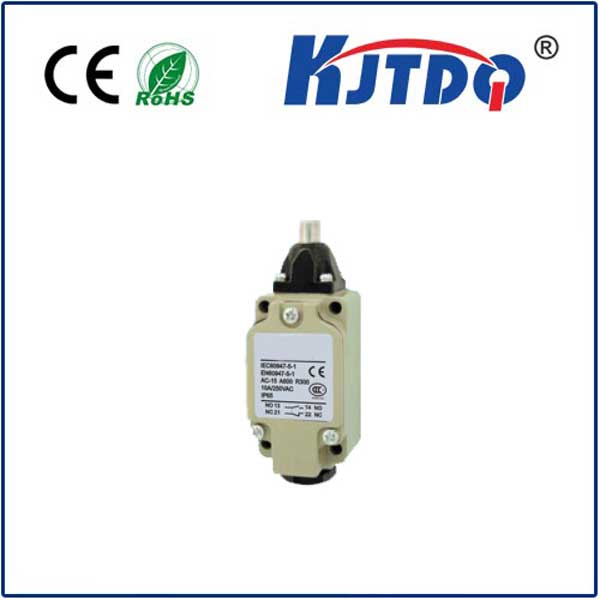
A limit switch is an electromechanical device designed to detect the presence or absence of an object, or to monitor and restrict the movement of a machine part to a safe range. Within the Clinac CS 7, these switches are strategically positioned on various mechanical axes, such as the gantry rotation, collimator movement, and treatment couch travel. Their primary function is to act as a safety sentinel. They prevent mechanical components from moving beyond their designed physical limits, which could lead to catastrophic collisions, damage to sensitive components like the multileaf collimator (MLC), or pose a safety risk to patients and staff.
For instance, the gantry limit switches ensure the rotating structure stops precisely at 0 or 180 degrees, or at other predefined safe angles, preventing continuous rotation that could entangle cables. Similarly, limit switches on the collimator head control the range of jaw movements, guaranteeing symmetric and accurate field definitions. The treatment couch, with its multiple degrees of freedom, relies heavily on a network of limit switches to define the boundaries for vertical, longitudinal, and lateral motion, ensuring patient positioning is both precise and safe within the treatment vault.
The operational principle is straightforward yet vital. When a moving part contacts the actuator of a limit switch, it triggers a change in the switch's electrical circuit. This signal is immediately relayed to the machine's control system. The system interprets this as a "hard stop" command, halting all further movement in that direction. This creates a failsafe mechanical backup to software-based motion controls. A malfunctioning or misaligned limit switch on the Clinac CS 7 can have serious consequences. It may cause unexpected machine faults, interrupt treatment sessions, lead to inaccurate beam alignment, or, in a worst-case scenario, allow for unsafe mechanical travel.
Common issues with limit switches include physical wear and tear from repeated actuation, accumulation of dust or debris in the treatment room environment which can impede the actuator arm, and misalignment due to vibrations or accidental impacts. Electrical problems, such as faulty wiring or connector corrosion, can also cause intermittent signals or total failure. Symptoms of a problematic limit switch often manifest as error codes related to interlock circuits, inability to complete homing sequences, or unexplained halts during routine machine motions.
Proactive maintenance is key to ensuring the reliability of the Clinac CS 7 limit switches. Regular quality assurance (QA) checks should include verifying the functionality of all mechanical limits. This involves manually testing each switch during preventive maintenance cycles to confirm it triggers the correct interlock and stops motion. Technicians should also visually inspect each switch for signs of physical damage, clean the actuator mechanisms, and check for secure mounting and alignment. It is crucial to use only manufacturer-approved or high-fidelity replacement parts when a switch fails, as the specified actuation force and electrical characteristics are critical for system compatibility.
Understanding the limit switch goes beyond mere troubleshooting; it is about appreciating a core safety philosophy in radiotherapy equipment design. The Clinac CS 7 integrates these devices to provide layered protection. While software controls define the operational parameters, the hardware limit switches act as the ultimate physical barrier against runaway conditions. This redundancy is a cornerstone of patient safety protocols in radiation oncology departments worldwide.
For clinical teams, a basic knowledge of these components aids in faster problem identification. When a "Gantry Limit" or "Couch Limit" interlock appears on the console, staff can communicate more effectively with service engineers, potentially reducing machine downtime. Ensuring that operational and nursing staff are aware of the purpose of these safety features also reinforces a culture of safety, reminding everyone that the smooth delivery of each treatment fraction is underpinned by robust engineering controls.
In summary, the limit switches on the Varian Clinac CS 7 are silent guardians. Their consistent and reliable operation is non-negotiable for the safe and accurate delivery of radiation therapy. Through diligent maintenance, regular testing, and a thorough understanding of their function, healthcare facilities can safeguard their equipment investment and, most importantly, uphold the highest standards of patient care and treatment precision. The next time the gantry rotates smoothly to its start position, remember the small but mighty switch that helps make that controlled movement possible.