check

check

check

check

check

check
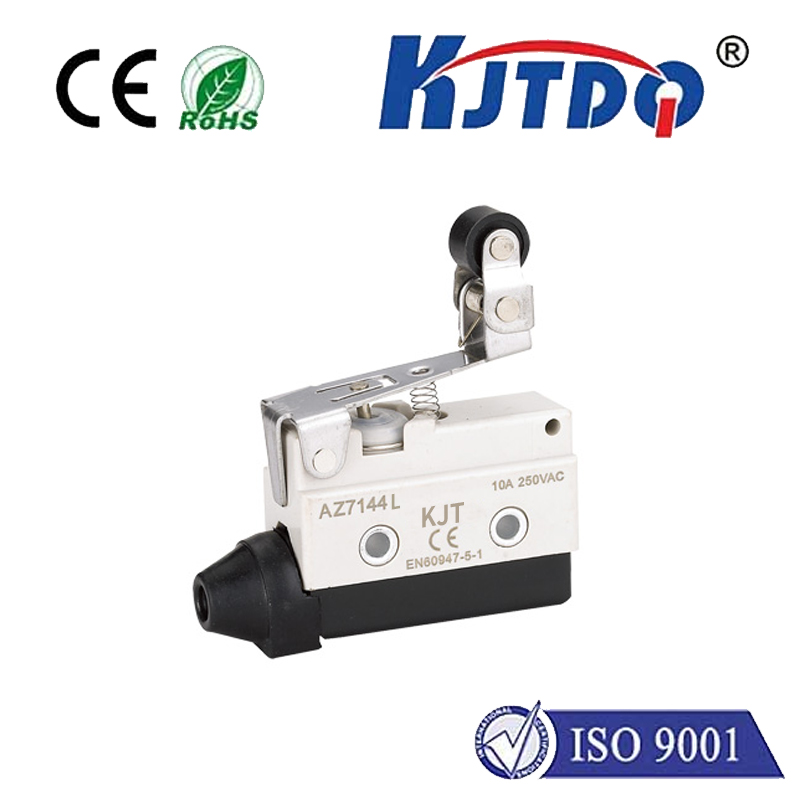
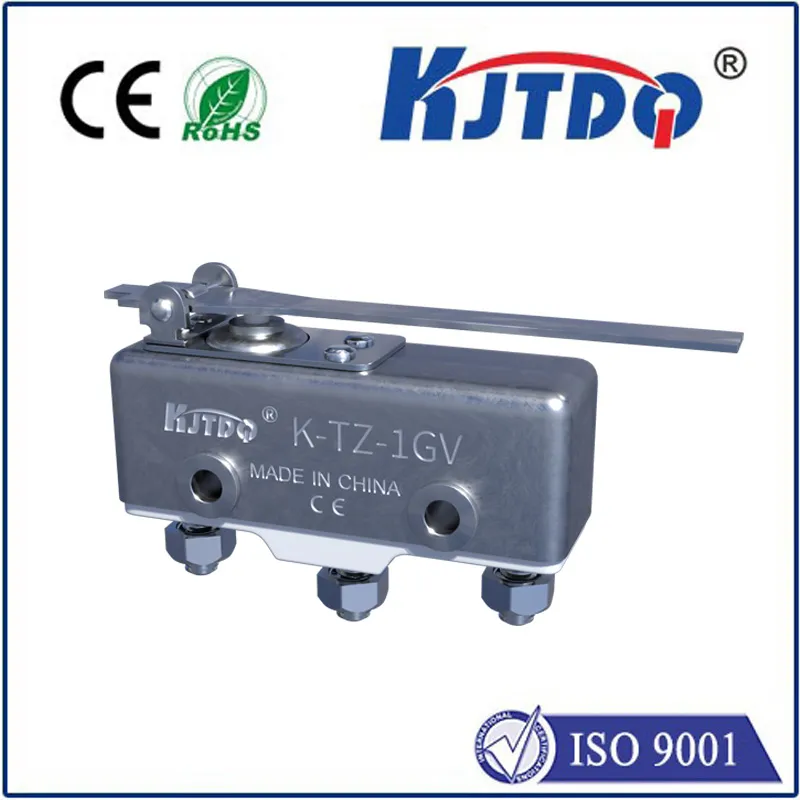
In the intricate world of precision control and automation, the reliability of every component is paramount. Among these critical components, the SPDT (Single Pole Double Throw) KW10 limit micro switch stands out as a fundamental building block for countless applications. This compact yet robust device serves as a silent sentinel, ensuring operations remain within safe and defined parameters. Its design and functionality make it an indispensable choice for engineers and system designers seeking dependable performance in constrained spaces.
The designation "SPDT KW10" reveals its core electrical characteristics. The SPDT configuration provides a versatile switching mechanism with one common terminal that can connect to either of two other terminals, but never both simultaneously. This allows for the control of two separate circuits or the selection between two states from a single actuator input. The "KW10" typically refers to a specific series or model, often indicating its electrical rating, size, or mounting style, signifying a switch built for durability and consistent performance under specified electrical loads. When combined with "limit micro switch," it defines its primary role: to detect the presence or position of an object and act as a safety or control limit.
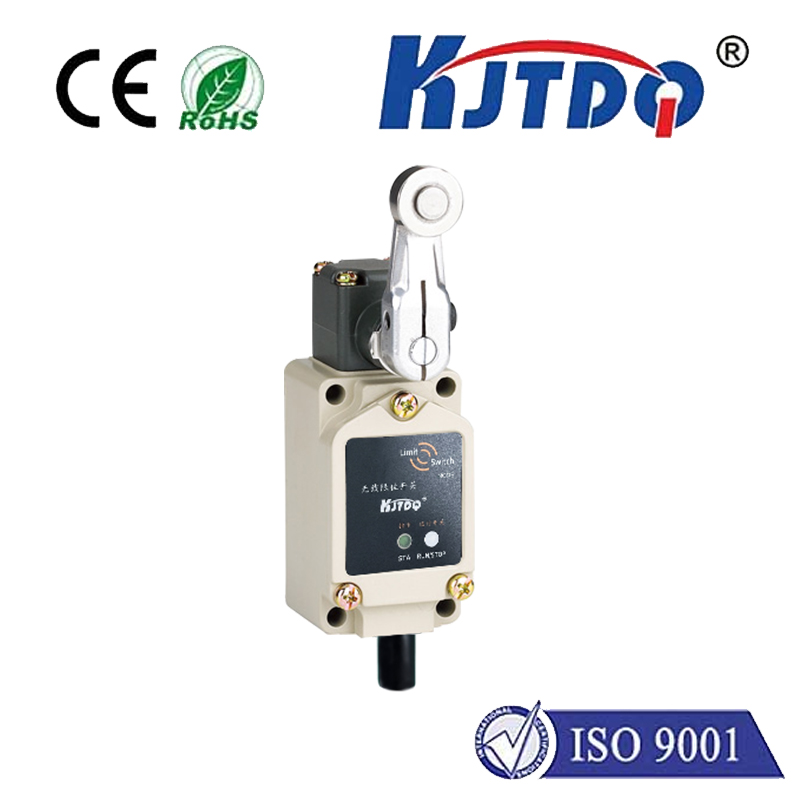
The operational principle of an SPDT limit micro switch is elegantly straightforward. It features a mechanical actuator—commonly a lever, roller, or plunger—that, when displaced by a moving part or object, triggers an internal snap-action mechanism. This mechanism rapidly changes the internal electrical contacts from one state to another. The snap-action design is crucial; it ensures a quick, clean break and make of the electrical circuit, minimizing arcing and contact bounce. This results in a precise, reliable signal that machinery control systems can depend on for accurate sequencing, positioning, or emergency halts. The micro switch's ability to handle this repetitive physical actuation with high precision is a testament to its engineered longevity.
The applications for the SPDT KW10 limit micro switch are vast and varied across industries. In industrial automation, they are ubiquitous on assembly lines, acting as end-of-travel sensors for robotic arms, position verifiers on linear actuators, and safety interlocks on machine guards. Within the realm of home appliances, these switches ensure your microwave door is securely closed before operation or that a washing machine lid is properly latched. They find critical roles in automotive systems, vending machines, medical equipment, and HVAC controls. Their small form factor allows for integration into tight spaces where their reliable switching action is needed to monitor movement, detect jams, or define operational boundaries.
Selecting the right limit micro switch involves careful consideration of several technical parameters beyond the basic SPDT configuration. The electrical rating, including voltage (AC/DC) and current capacity, must match the control circuit's requirements. The mechanical life expectancy, often rated in millions of cycles, indicates durability. Actuator type is chosen based on the physical interaction needed—a long lever for sweeping motions or a precise plunger for direct linear contact. Environmental factors are also critical; switches may need sealed housings to resist dust, moisture, or oil ingress. The KW10 series typically offers a balance of these features, providing a reliable solution for general-purpose industrial and commercial applications.
Installation and maintenance are key to maximizing the service life of an SPDT KW10 limit micro switch. Proper mounting is essential to ensure the actuator engages correctly with the target object without over-travel or excessive force, which can damage the mechanism. Alignment must be precise to avoid side-loading on the actuator. Regular inspection for signs of wear on the actuator, checking for secure electrical connections, and testing the switch's operational response are simple yet effective practices. A well-installed and maintained micro switch can provide years of fault-free service, preventing costly downtime in larger systems.
In conclusion, the SPDT KW10 limit micro switch exemplifies how a meticulously designed electromechanical component can form the backbone of safe and efficient system control. Its versatility, reliability, and precision make it more than just a simple switch; it is a vital sensor and decision point in automated processes. For designers and maintenance professionals, understanding its specifications, applications, and care requirements is essential for implementing robust control strategies. As technology advances, the fundamental role of such reliable hardware components remains unchallenged, proving that in the world of automation, dependable physical feedback is irreplaceable.