check

check

check

check

check

check
In industrial settings where rotating machinery and equipment are prevalent, the need for reliable safety mechanisms cannot be overstated. One critical component that stands as a guardian against mechanical overload and potential catastrophic failure is the torque limit switch. This device plays a pivotal role in monitoring and controlling the torque applied by motors, gearboxes, and other driven systems, automatically interrupting power when a preset torque threshold is exceeded.
The fundamental principle behind a torque limit switch is straightforward yet ingenious. It is designed to detect excessive rotational force, or torque, on a shaft. When the operational torque surpasses a predetermined safe limit—often due to jamming, unexpected obstructions, or mechanical wear—the switch activates. This activation typically involves opening or closing an electrical circuit, which immediately signals a control system to stop the motor or initiate a safety protocol. This rapid response is crucial for preventing damage to expensive machinery, such as conveyors, mixers, hoists, and valve actuators, and for ensuring the safety of personnel working nearby.
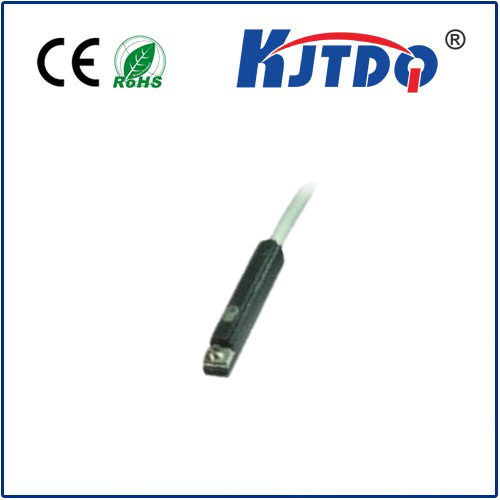
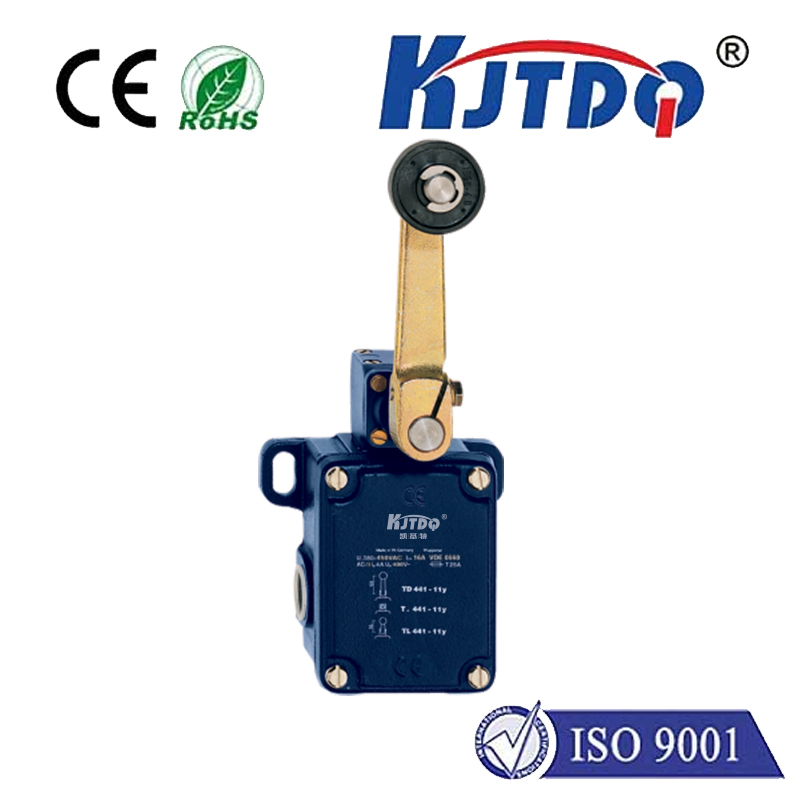
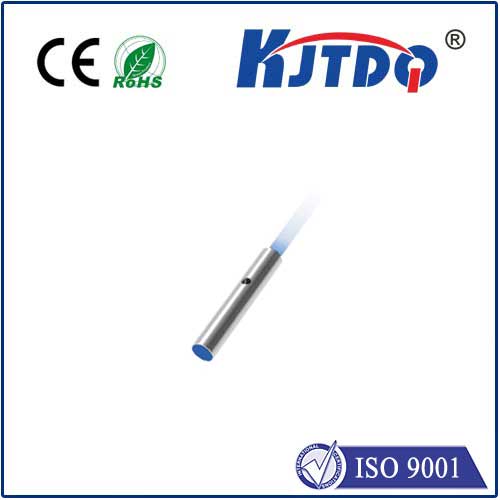
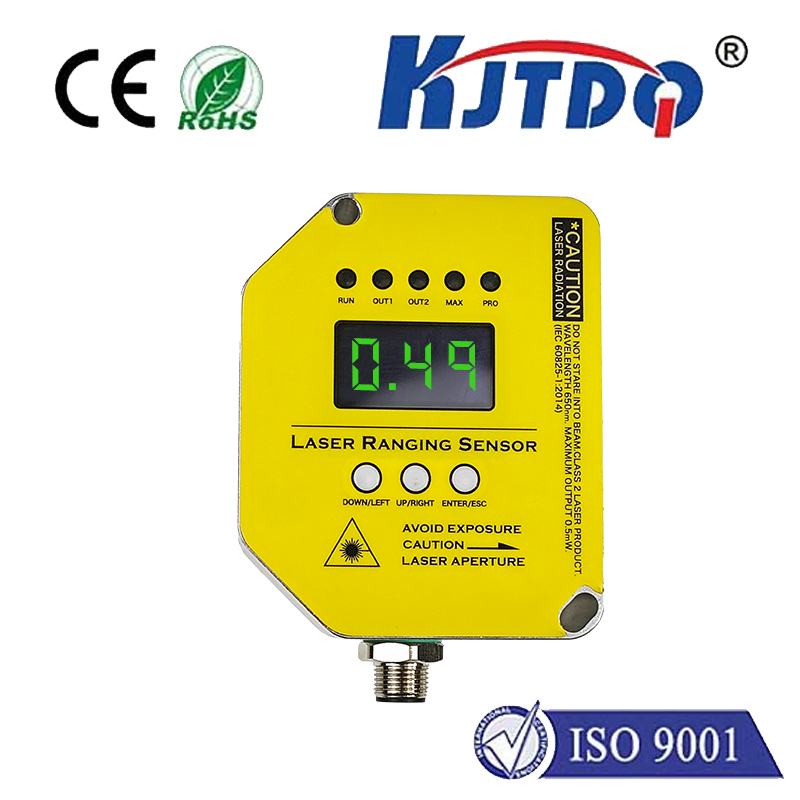
Modern torque limit switches, like those represented by the KJTDQ series, incorporate advanced features that enhance their reliability and functionality. These are not simple mechanical cut-offs; they often integrate precision sensors, robust mechanical triggers, and durable housings rated for harsh industrial environments. Key design considerations include high accuracy in torque sensing, repeatability of the trip point, resistance to vibration, and protection against dust, moisture, and corrosive elements. The ability to easily adjust the torque setpoint is another vital feature, allowing for flexibility across different applications and load conditions.
The applications for torque limit switches are vast and varied. In material handling, they protect conveyor belts from damage caused by blockages. In packaging machinery, they ensure consistent tension and prevent film breakage. For valve control systems, they provide essential feedback to prevent actuator damage from seized valves. In any scenario where an overload could lead to downtime, costly repairs, or safety incidents, integrating a torque limit switch is a prudent engineering decision.
Choosing the right torque limit switch requires careful analysis of the application's specific demands. Engineers must consider factors such as the required torque range, shaft speed, mounting configuration, environmental conditions, and the type of output signal needed (e.g., mechanical contact, solid-state, or proximity sensor). Proper installation and calibration are equally important to ensure the switch performs as intended. Regular maintenance checks are recommended to verify the setpoint and the mechanical integrity of the switch, guaranteeing long-term operational safety.
Ultimately, the torque limit switch is an unsung hero in industrial automation. By providing a fail-safe against overloads, it not only safeguards capital investment in machinery but also contributes significantly to overall plant safety and operational continuity. Its role in predictive maintenance strategies is growing, as data from these switches can help identify trends in machine performance and flag potential issues before they lead to failure. In an era focused on efficiency and safety, the reliable performance of components like the KJTDQ torque limit switch remains indispensable for smooth and secure industrial operations.