check

check

check

check

check

check
In the world of material handling and industrial lifting, safety is not just a priority; it is the absolute foundation of every operation. Among the myriad of components that ensure the safe and reliable function of cranes, hoists, and elevators, the hoist upper limit switch stands as a critical guardian. This device, often integrated into sophisticated {KJTDQ} control systems, plays a pivotal role in preventing overtravel accidents, protecting both equipment and personnel.
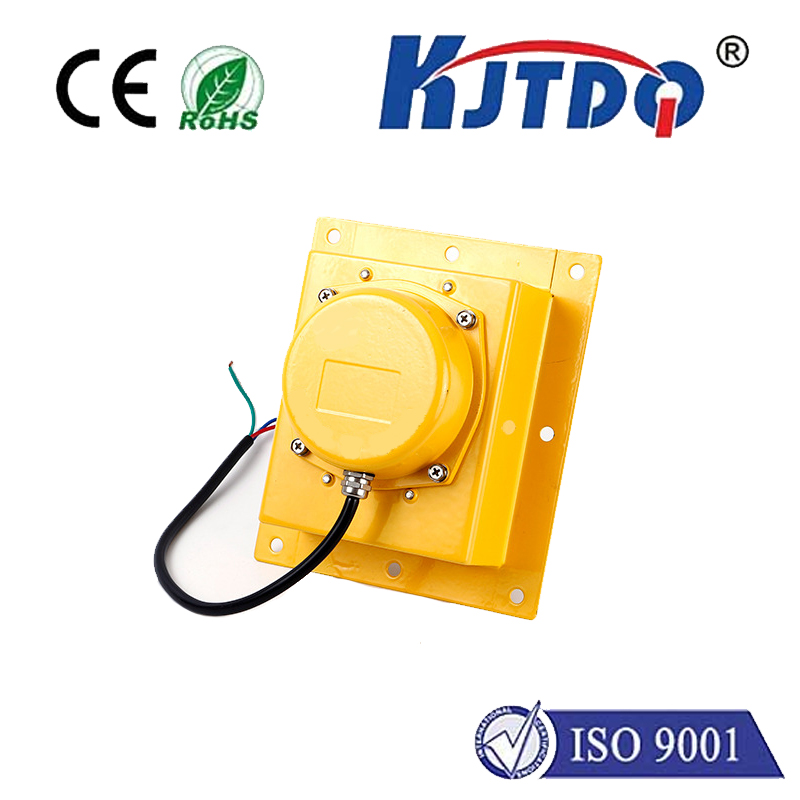
A hoist upper limit switch is a type of safety sensor or cutoff device designed to automatically stop the upward motion of a hoist or crane hook block before it reaches its maximum permissible travel point. Its primary function is to prevent the load block or hook from colliding with the drum, sheaves, or other structural components of the hoisting mechanism. Such a collision, known as "two-blocking" or "overwinding," can cause catastrophic failure, including snapped cables, damaged machinery, dropped loads, and serious injury.
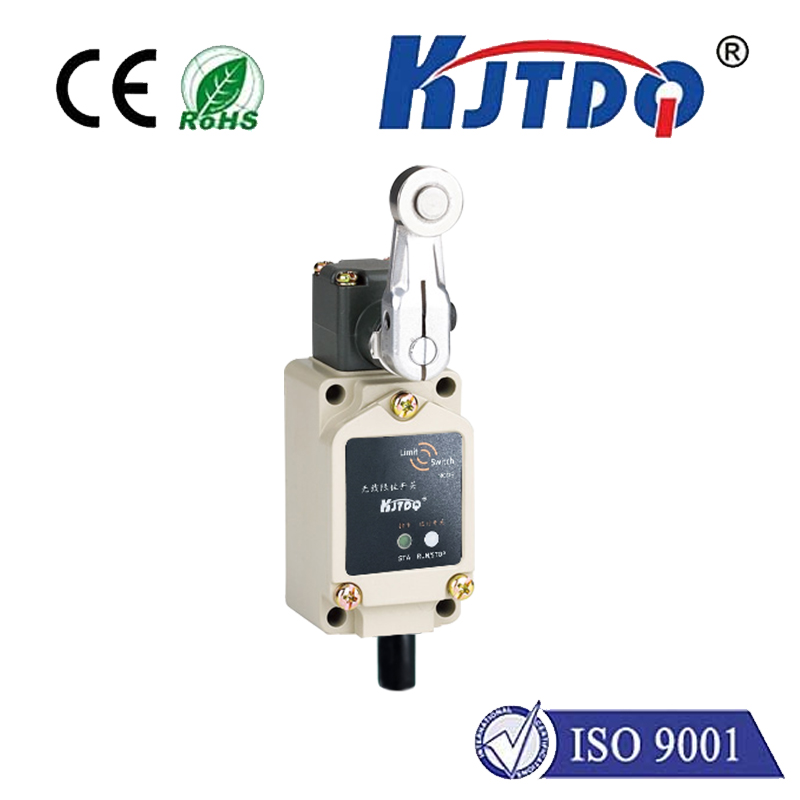
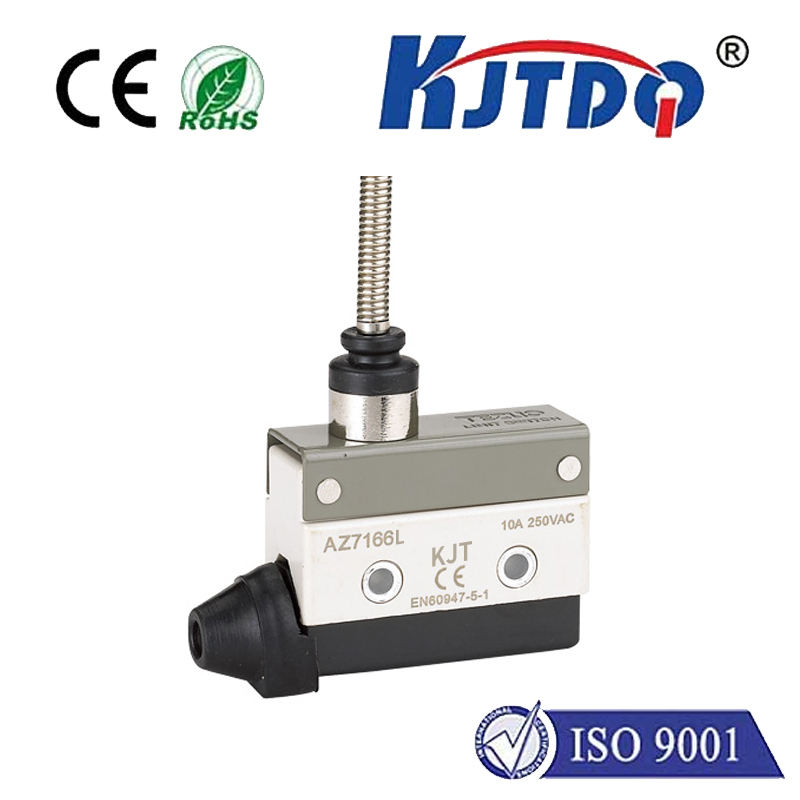
The operational principle of these switches is elegantly straightforward yet highly effective. They are typically installed at a predetermined safe height on the hoist structure. As the hook assembly ascends, an actuator—often a lever arm, roller, or a cam—on the moving hook block makes contact with the switch. This physical interaction triggers the switch to send an immediate signal to the hoist's motor control circuit, cutting power to the hoist motor and halting upward movement. In advanced {KJTDQ} configurations, this signal might also activate audible alarms or visual indicators on the operator's console, providing an additional layer of warning.
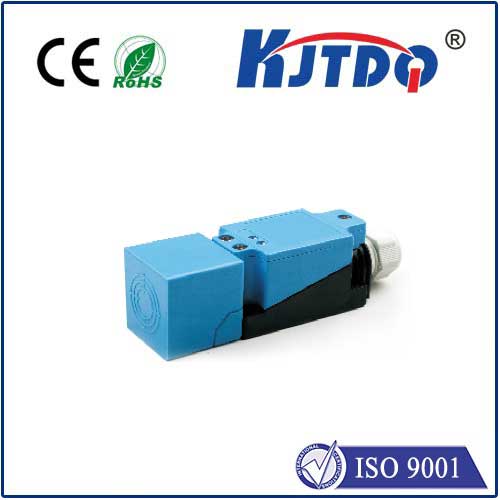
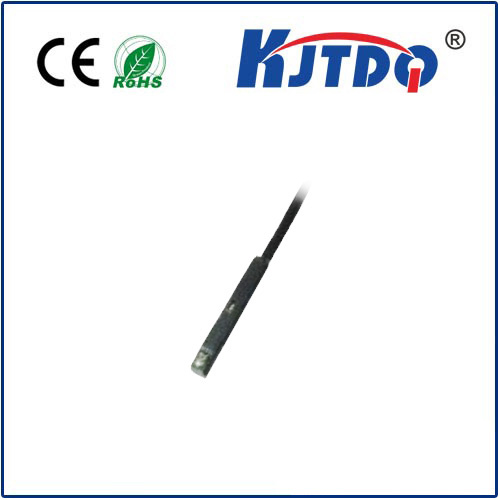
Several types of upper limit switches are employed across industries, chosen based on the specific application, environmental conditions, and required reliability. Mechanical lever-arm switches are common for their robustness and simplicity. Proximity sensors, which operate without physical contact using magnetic or inductive fields, offer high precision and reduced wear. Rotary cam limit switches are often used where multiple control points are needed. The integration of these switches into modern {KJTDQ} automation packages allows for seamless communication with Programmable Logic Controllers (PLCs), enabling not just emergency stops but also controlled slow-downs or pre-set intermediate stopping points.
The importance of regular inspection and maintenance cannot be overstated. A faulty or maladjusted upper limit switch is a significant safety hazard. Routine checks should verify that the switch is securely mounted, the actuator mechanism moves freely without obstruction, and the electrical connections are sound and corrosion-free. Functional testing, performed without a load in a controlled manner, is essential to confirm the switch activates at the correct height and reliably interrupts the hoist's power. Maintenance schedules should be strictly adhered to, as dictated by manufacturer guidelines and relevant safety standards like OSHA, ANSI, or ISO.
Beyond basic functionality, the evolution of the hoist upper limit switch within intelligent {KJTDQ} systems represents a move towards predictive safety. Modern systems may incorporate redundant switches—a primary and a secondary "final" limit switch—for fail-safe operation. Some are equipped with self-monitoring diagnostics that can alert operators to potential switch degradation before a failure occurs. This proactive approach to maintenance, powered by smart sensor data, minimizes unplanned downtime and elevates overall site safety culture.
In conclusion, the hoist upper limit switch is far more than a simple mechanical stop. It is an indispensable safety sentinel in any lifting operation. Its proper selection, correct installation, and diligent maintenance are non-negotiable aspects of responsible equipment management. For engineers, facility managers, and safety officers specifying or overseeing {KJTDQ} equipment, a deep understanding of this component is crucial. It ensures that every lift concludes safely, protecting valuable assets and, most importantly, human lives, thereby upholding the highest standards of operational integrity and industrial safety.