check

check

check

check

check

check
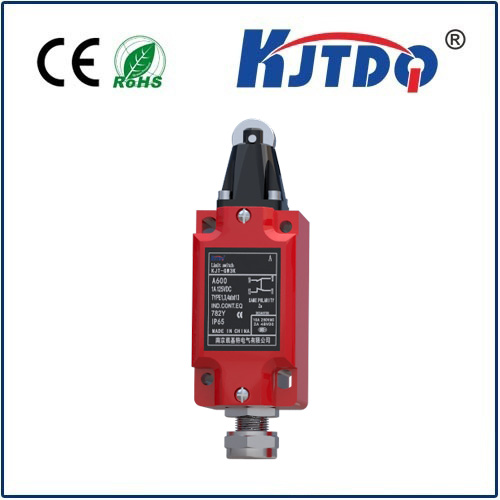
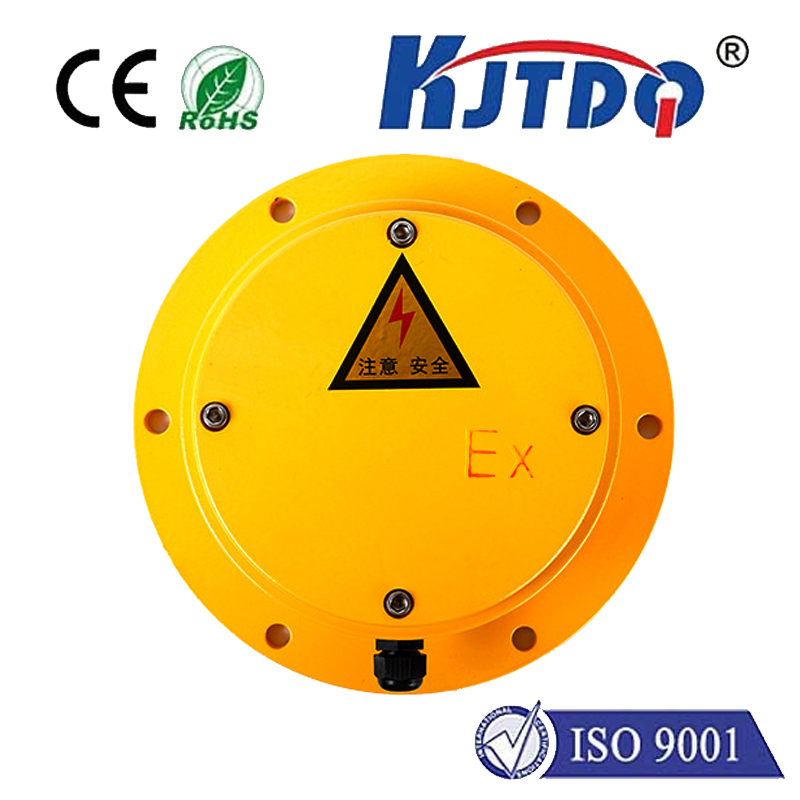
In industrial settings where overhead cranes are pivotal, the integration of reliable safety mechanisms is non-negotiable. The KJTDQ EOT Crane Hoist Limit Switch stands as a critical component in this ecosystem, designed to prevent over-hoisting incidents that can lead to equipment damage, production downtime, and severe safety hazards. This device acts as a sentinel, automatically cutting power to the hoist motor when the hook or load block reaches a predetermined upper or lower limit. The operational principle is straightforward yet profoundly effective. Typically, the limit switch is triggered by a mechanical actuator, such as a cam or lever, which is physically engaged by the moving hoist assembly. Upon contact, it interrupts the control circuit, bringing the hoist to an immediate and safe stop. This simple action is the cornerstone of preventing catastrophic failures.
The KJTDQ series distinguishes itself through robust construction and engineering precision. Built to withstand harsh industrial environments—including exposure to dust, moisture, and significant vibration—these switches offer exceptional durability. Their design often incorporates high-grade materials for the housing and contacts, ensuring long-term reliability and minimal maintenance requirements. For facility managers and safety officers, this translates into reduced operational risks and lower total cost of ownership. The switch's configurability is another key advantage. It can be precisely adjusted to define the exact travel limits for specific crane models and lifting applications, providing tailored safety for diverse operational needs, from manufacturing floors to shipping yards.
Beyond basic safety, the implementation of a KJTDQ Hoist Limit Switch contributes significantly to operational efficiency. By automating a crucial safety check, it removes the element of human error from routine lifting operations. Operators can perform their duties with greater confidence and speed, knowing that a fail-safe is actively monitoring the hoist's vertical movement. This not only protects the crane's mechanical and electrical systems from the stress of over-travel but also safeguards the load itself. In industries handling expensive or delicate materials, such as in aerospace or precision manufacturing, this protection is invaluable. The switch ensures that lifting cycles are consistent and within safe parameters, promoting smoother workflow and preventing interruptions caused by emergency stops or equipment damage.
Regular inspection and maintenance of the hoist limit switch are imperative to sustain its protective function. A recommended practice includes periodic checks for physical damage, verification of secure mounting, and testing of the switching action to confirm it engages and disengages correctly. Electrical connections should be inspected for corrosion or looseness. Many KJTDQ models are designed for easy access to facilitate these routine checks without requiring extensive downtime. Furthermore, integrating this limit switch into a broader crane safety system—alongside devices like overload protectors and anti-collision systems—creates a comprehensive safety net. This layered approach to safety is becoming the standard in modern industrial safety protocols, driven by both regulatory requirements and the intrinsic goal of protecting personnel and assets.
The evolution of crane technology continues, with trends pointing towards increased automation and connectivity. The role of fundamental safety components like the KJTDQ limit switch remains paramount, even as systems become more intelligent. It serves as a reliable, hardware-based safety layer that complements advanced software controls. For any organization relying on EOT cranes, investing in high-quality, certified limit switches is not merely a compliance issue but a fundamental aspect of responsible operational management. It directly upholds the pillars of workplace safety, asset protection, and continuous productivity, making it an indispensable element in the material handling industry.