check

check

check

check

check

check
In the bustling world of industrial automation, where massive robotic arms and complex control systems often steal the spotlight, there exists a component whose reliability is foundational to safety and precision: the hydraulic limit switch. This device, a critical junction where mechanical motion meets hydraulic control, operates silently yet indispensably in countless applications, from manufacturing assembly lines to heavy-duty construction machinery.
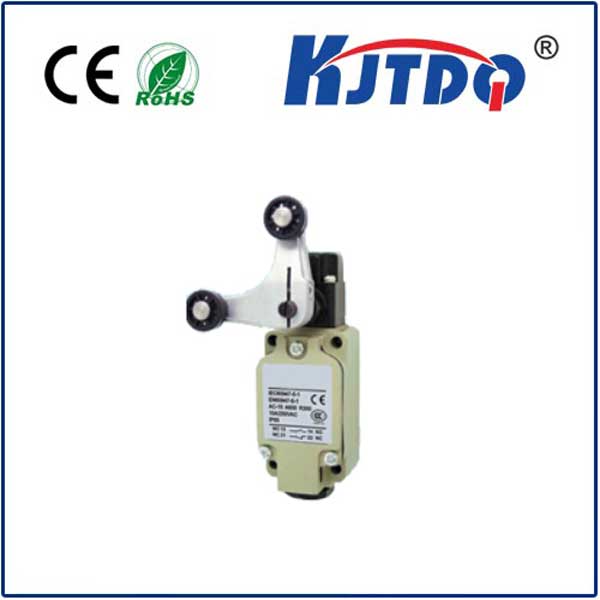
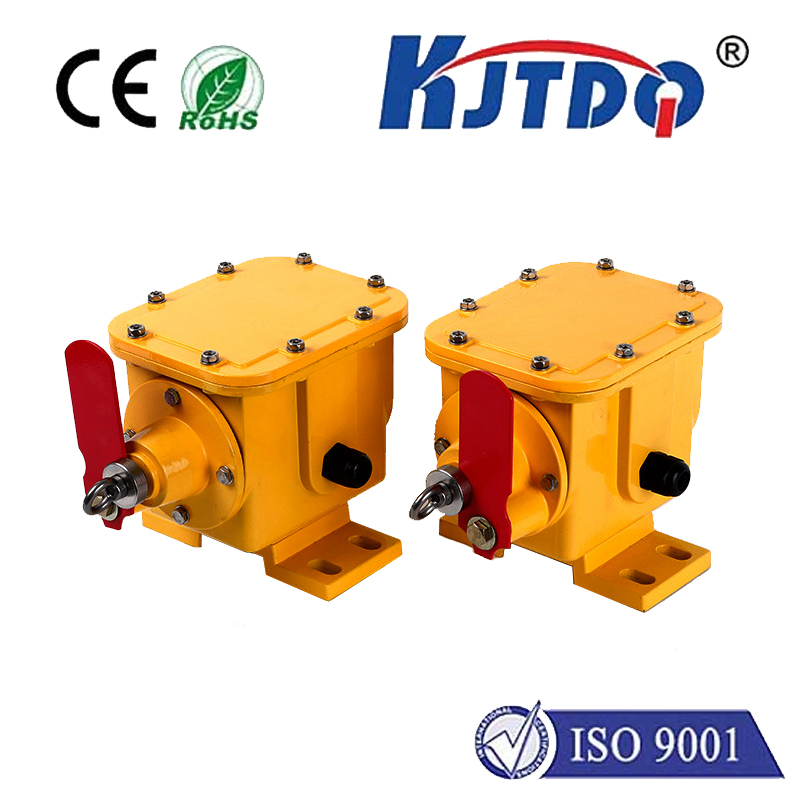
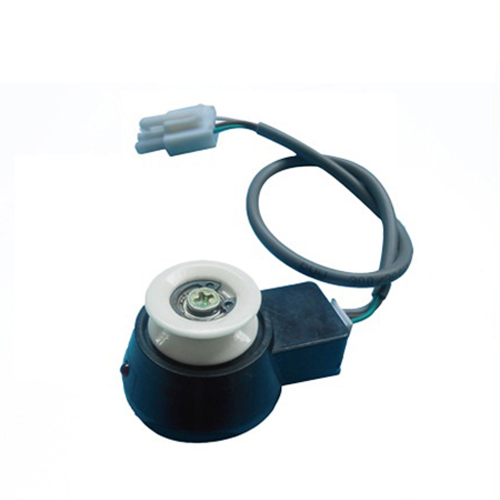
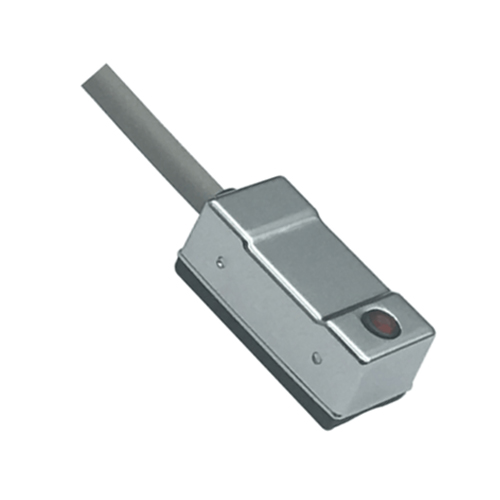
A hydraulic limit switch is essentially a sensor that detects the presence or position of a machine part. When the moving component reaches a predetermined point, it actuates the switch. This action triggers a change within an associated hydraulic circuit—typically by shifting a valve—to alter fluid flow and pressure. The result is a controlled response: stopping a cylinder's stroke, changing the direction of a motor, or initiating a subsequent sequence in an automated process. The core advantage lies in its robustness. Housed in durable, often sealed casings, these switches withstand environments that would cripple their electronic counterparts—think extreme temperatures, pervasive dust, high moisture, and significant vibration. Their operation relies on physical force and hydraulic fluid power, making them inherently resistant to electrical interference or failure in volatile atmospheres.
Consider a metal stamping press. The hydraulic cylinder driving the stamp must descend with immense force but must stop *exactly* at the right point every single time. A hydraulic limit switch, precisely adjusted, signals the valve to halt the cylinder at the end of its forming stroke. This prevents over-travel, protects the die and workpiece from damage, and ensures consistent product quality. Similarly, in mobile hydraulics on an excavator, limit switches can define the safe rotational limits of the boom, preventing mechanical stress and potential collisions.
The integration of these switches into a system represents a paradigm of deterministic control. Unlike software-based sensors that require complex programming and can be susceptible to latency, the hydraulic limit switch offers a direct, physical, and immediate feedback loop. Its "set-and-forget" nature, once mechanically calibrated, provides long-term operational stability with minimal maintenance. This reliability translates directly into reduced downtime and enhanced safety protocols, guarding both machinery and personnel.
However, selecting the right hydraulic limit switch requires careful consideration. Factors such as operating pressure range, fluid compatibility, actuation force, repeatability accuracy, and environmental sealing ratings (like IP or NEMA standards) are paramount. Modern advancements have also led to hybrid designs, where traditional hydraulic actuation is combined with electronic signaling for integration into broader PLC-controlled networks, offering the best of both worlds: hydraulic toughness with digital connectivity.
In essence, the hydraulic limit switch is a testament to elegant, practical engineering. It doesn't boast flashy digital displays or network capabilities, but it delivers unwavering performance where it matters most. It is the definitive sentinel at the gate of mechanical movement, ensuring that powerful hydraulic systems operate within their safe, efficient, and precise boundaries. For engineers and maintenance professionals, understanding and properly implementing these components is not just a technical detail—it's a cornerstone of building resilient and productive industrial systems.