check

check

check

check

check

check
In the intricate world of industrial automation and motor control, precision and safety are non-negotiable. Among the myriad of components that ensure these standards, the 3 phase limit switch stands as a critical guardian. This device is far more than a simple on/off mechanism; it is a sophisticated sensor designed to monitor and control the movement of machinery powered by three-phase electrical systems, which are the backbone of heavy-duty industrial operations.
A 3 phase limit switch is specifically engineered to handle the high voltages and currents associated with three-phase AC motors. Its primary function is to detect the presence or absence, or the precise position, of a moving part in a machine. Once the moving part—often a robotic arm, a conveyor belt shuttle, or a crane—reaches a predetermined point, it physically actuates the switch. This action either completes or interrupts the electrical circuit controlling the motor, thereby stopping, starting, or reversing its motion. This capability is fundamental for defining the operational boundaries of machinery, preventing over-travel that could lead to catastrophic collisions, equipment damage, or serious safety hazards.
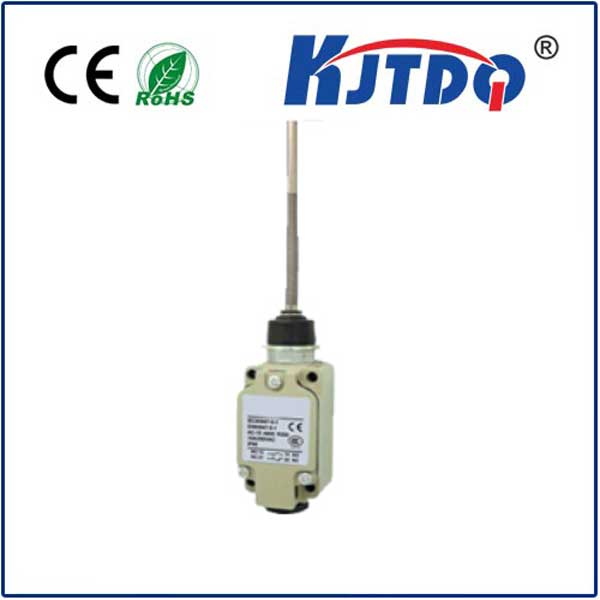
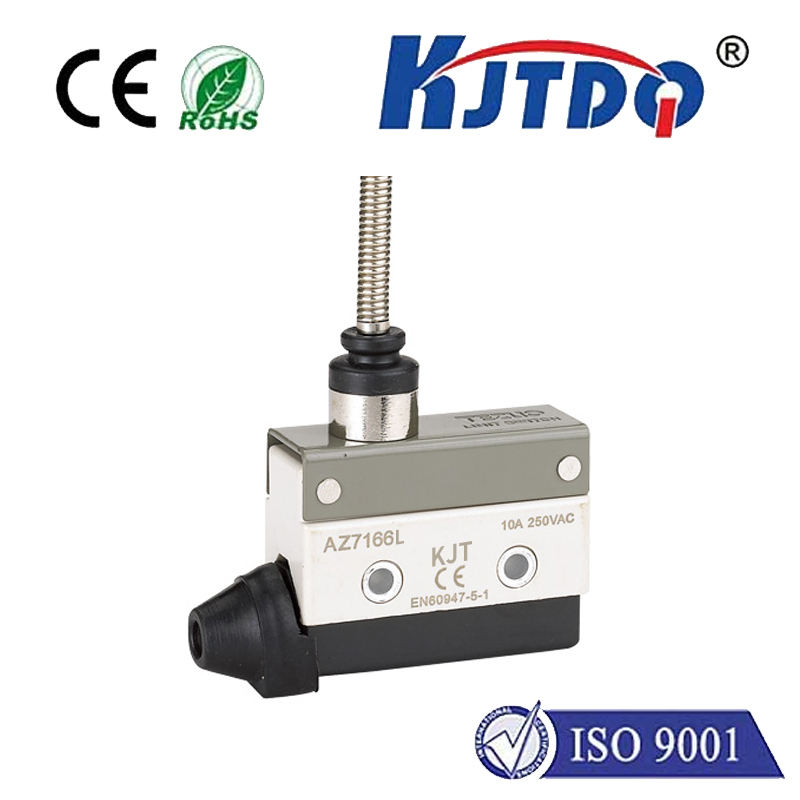
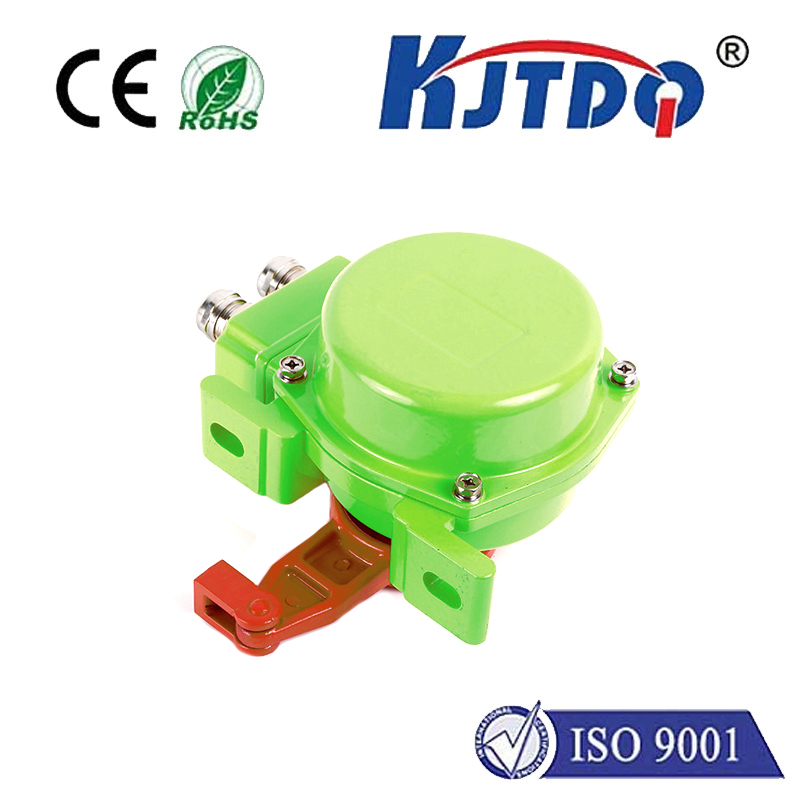
The construction of a robust 3 phase limit switch is tailored for harsh environments. It typically features a durable metal or high-strength polymer housing with a high Ingress Protection (IP) rating to resist dust, moisture, and oil. The heart of the switch is its electrical contacts, rated for the substantial amperage of three-phase systems. These contacts are designed to break the power to all three phases simultaneously and reliably, ensuring the motor comes to a complete stop. The actuator, the part touched by the moving machine component, comes in various forms: roller levers for linear motion, plungers for direct push action, or wobble sticks for multi-directional sensing.
The applications for these switches are vast and vital. In automated manufacturing lines, they precisely position assembly arms. In material handling, they limit the travel of overhead cranes and hoists, ensuring they do not exceed the safe boundaries of the rail. In packaging machinery, they control the cyclic movement of fillers and sealers. In every case, they provide a reliable, physical-electrical interface that is often preferred for its simplicity and fail-safe characteristics compared to purely electronic sensors in critical safety interlocks.
Selecting the correct 3 phase limit switch requires careful consideration of several technical parameters. The voltage and current ratings must match or exceed the motor's specifications. The mechanical life expectancy, often in millions of cycles, dictates durability. The type of actuator must suit the motion profile of the application. Furthermore, industry standards like IEC and UL certifications are essential markers of safety and reliability. Proper installation is equally crucial; switches must be mounted securely with precise alignment to ensure consistent actuation. Regular maintenance, including checking for loose mounting, wear on the actuator, and contact integrity, is necessary to prevent unexpected downtime.
While modern proximity sensors and encoders offer contactless alternatives, the electromechanical 3 phase limit switch remains irreplaceable in many scenarios. Its key advantages include inherent safety through direct physical disconnection, high noise immunity in electrically noisy industrial settings, and the ability to handle very high inrush currents during motor startup. It provides a clear, unambiguous signal that a physical limit has been reached.
In conclusion, the 3 phase limit switch is a foundational component in industrial control systems. Its role in ensuring operational precision, protecting expensive capital equipment, and safeguarding personnel is paramount. For engineers and maintenance professionals, a deep understanding of its operation, selection criteria, and application best practices is essential for designing and maintaining efficient, safe, and reliable automated systems. As industries continue to evolve towards greater automation, this robust device will continue to be a trusted sentinel at the physical limits of machine motion.