check

check

check

check

check

check
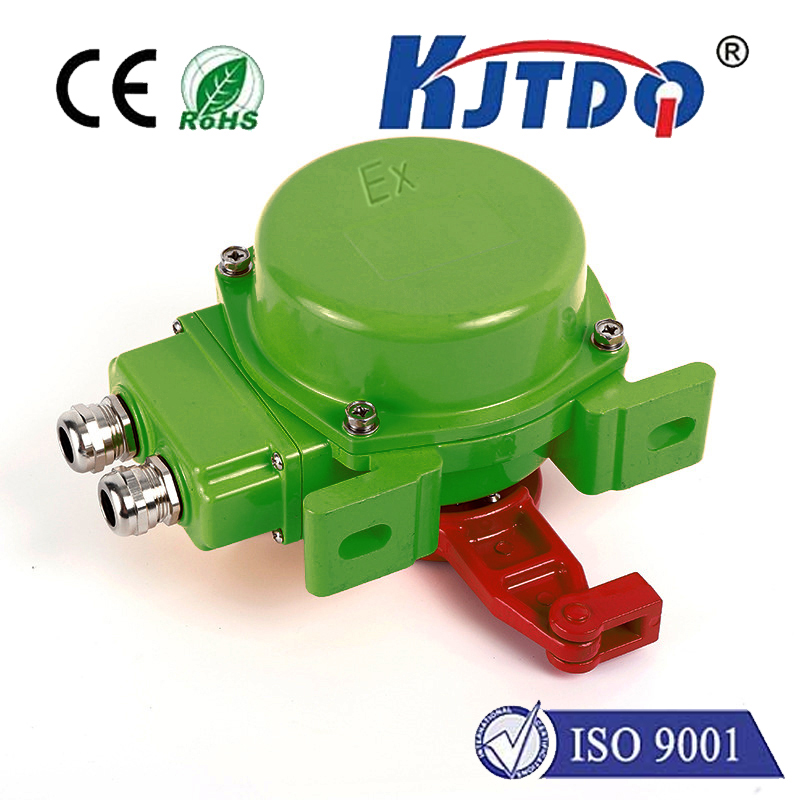
In the dynamic landscape of industrial automation, the round limit switch stands as a critical component for ensuring operational precision and safety. Often referred to as a rotary limit switch or cam-operated limit switch, this device plays a pivotal role in controlling the movement of machinery by defining specific rotational endpoints. Its robust design and reliable functionality make it indispensable across various sectors, including manufacturing, material handling, and robotics.
The primary function of a round limit switch is to monitor and control the angular position of rotating shafts or equipment. By setting predetermined limits, it prevents machinery from exceeding safe operational ranges, thereby mitigating risks of damage, wear, or hazardous incidents. For instance, in conveyor systems, these switches can halt motion when a package reaches its destination, while in crane operations, they ensure booms do not rotate beyond safe angles. The switch typically consists of a rotating cam mechanism that actuates internal contacts at precise points, sending electrical signals to control circuits. This simple yet effective design allows for easy customization, as cams can be adjusted to trigger actions at different rotational positions.
One of the key advantages of the round limit switch is its durability in harsh environments. Constructed from materials like stainless steel or rugged plastics, it can withstand exposure to dust, moisture, vibrations, and extreme temperatures. This resilience reduces maintenance needs and downtime, contributing to overall productivity. Moreover, its mechanical nature offers a fail-safe alternative to purely electronic sensors, as it operates independently of power fluctuations or signal interference. In applications where safety is paramount, such as in elevator controls or heavy machinery, this reliability is non-negotiable.
Integration of round limit switches into modern automation systems has been streamlined through advancements in compatibility. Many models now feature modular designs, allowing for seamless connection with programmable logic controllers (PLCs) and other digital interfaces. This enables real-time monitoring and data logging, facilitating predictive maintenance and process optimization. For example, in packaging lines, switches can provide feedback on machine cycles, helping operators identify bottlenecks or inefficiencies. Additionally, the availability of explosion-proof variants expands their use to hazardous locations like chemical plants or oil refineries, where safety standards are stringent.
When selecting a round limit switch, factors such as rotational speed, torque requirements, electrical ratings, and environmental conditions must be considered. Proper installation and calibration are crucial to ensure accurate triggering and longevity. Regular inspections, including checking for wear on cams and contacts, can prevent unexpected failures. As industries increasingly adopt Industry 4.0 principles, these switches continue to evolve, with smart versions offering diagnostic capabilities and wireless connectivity for enhanced control.
In summary, the round limit switch remains a cornerstone of industrial automation, blending mechanical simplicity with critical safety functions. Its ability to provide precise positional control in demanding settings underscores its value in maintaining efficient and secure operations. As technology progresses, this device will likely adapt to new challenges, solidifying its role in the future of automated systems.