check

check

check

check

check

check
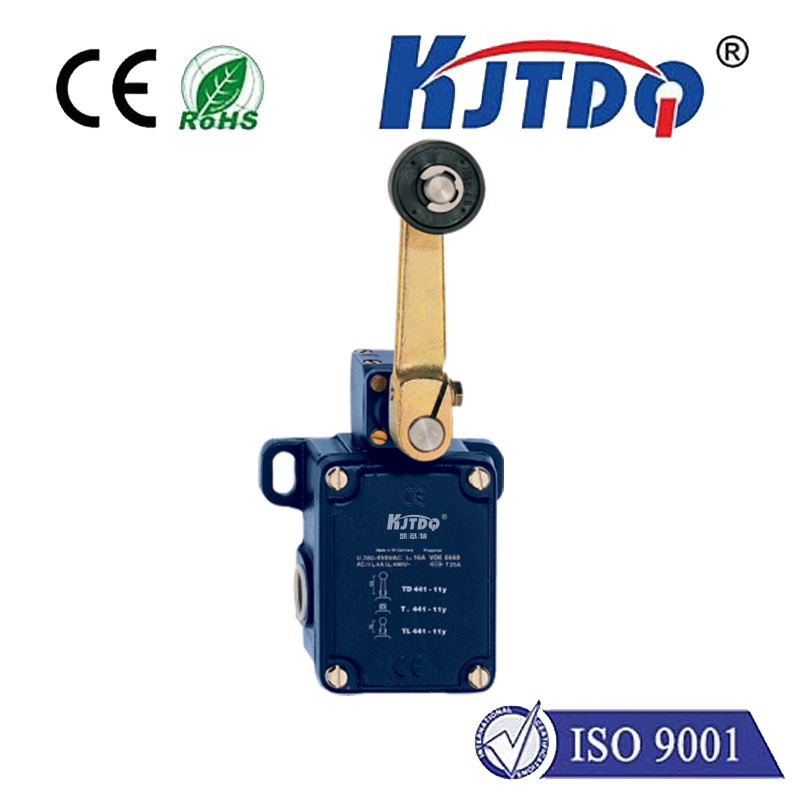
In the intricate world of heating, ventilation, and air conditioning (HVAC) systems, every component plays a pivotal role in ensuring seamless operation, energy efficiency, and long-term reliability. Among these critical components, the end switch, often an unsung hero, stands out for its fundamental function in system control and safety. This device, typically a small electrical switch, is designed to signal the completion of a mechanical action, such as the full opening or closing of a damper, valve, or other actuator. Its proper operation is not merely a technical detail but a cornerstone for preventing equipment damage, optimizing energy consumption, and maintaining consistent indoor environmental quality.
The primary role of an HVAC end switch is to provide a definitive electrical signal that a mechanical component has reached its intended position. Consider a motorized damper in a zoning system. Once the damper's actuator completes its rotation to either fully open or fully closed, the integrated end switch activates. This activation sends a signal back to the system's main controller, confirming the action is complete. This confirmation loop is crucial. Without it, the controller might continue to send power to the actuator, leading to potential motor burnout, gear stripping, or physical damage to the damper blade. Furthermore, the system might operate under the false assumption that air is flowing as intended, compromising temperature control and energy efficiency.
End switches are integral to various HVAC applications beyond dampers. In economizer systems, they verify the position of outdoor air and return air dampers, ensuring the correct mix of fresh and recirculated air for optimal free cooling. In fan coil units or variable air volume (VAV) boxes, they confirm the status of water valves or hot water reheat coils. In exhaust systems, they can confirm that louvres or backdraft dampers are properly positioned. The common thread across all these applications is the need for positive end-position verification to enable safe progression to the next stage of the operational sequence.
The benefits of a correctly functioning end switch system are multifaceted. First and foremost is enhanced system protection. By preventing actuators from straining against their mechanical limits, end switches significantly reduce wear and tear, extending the lifespan of expensive mechanical components. This proactive protection translates directly into reduced maintenance costs and fewer unexpected system failures. Secondly, they are key to energy efficiency. A damper that is not fully closed, due to a faulty or misadjusted end switch, can allow uncontrolled air leakage. This leakage forces the heating or cooling equipment to work harder to maintain setpoints, leading to wasted energy and higher utility bills. Precise end-switch signaling ensures that systems operate only as designed, closing off unintended air paths and sequences.
However, the effectiveness of an end switch is entirely dependent on proper installation, calibration, and maintenance. A common issue in the field is misadjustment. If the switch is set to activate before the damper or valve reaches its true end position, the component may not seal properly. Conversely, if the switch is adjusted too tightly, the actuator may not have enough torque to trigger it, causing the system to fault or the actuator to stall. Regular testing as part of a preventative maintenance schedule is essential. Technicians should verify that the mechanical movement is complete and that the corresponding electrical signal is being sent and received by the controller.
When selecting or specifying end switches for HVAC applications, several factors must be considered. The switch's electrical rating (voltage and current) must be compatible with the control circuit. Its mechanical durability and environmental rating (e.g., NEMA enclosure type) are vital, especially for outdoor or harsh environment applications. Some modern actuators come with built-in, factory-calibrated electronic end switches, which offer higher precision and reliability compared to traditional mechanical micro-switches that can be prone to physical wear over time.
In conclusion, while often overlooked, the HVAC end switch is a fundamental component for achieving reliable, efficient, and safe building climate control. It acts as the critical communication link between mechanical movement and electronic control, ensuring that every part of the system is in its correct place before operation proceeds. For building owners, facility managers, and HVAC engineers, paying close attention to the specification, installation, and maintenance of these small but mighty devices is a smart investment. It safeguards equipment, locks in energy savings, and provides the operational certainty needed for truly optimized HVAC performance. Ensuring your system's end switches are correctly configured is a definitive step toward a more resilient and cost-effective building management strategy.