check

check

check

check

check

check
In the intricate world of fluid management, whether in industrial cooling towers, commercial boilers, or residential water heaters, maintaining precise water levels is not merely a matter of efficiency—it's a critical safety imperative. This is where the water limit switch, a seemingly simple yet profoundly important device, plays a starring role. Far from being just another component, it acts as a vigilant guardian, preventing catastrophic failures, conserving resources, and ensuring operational continuity.
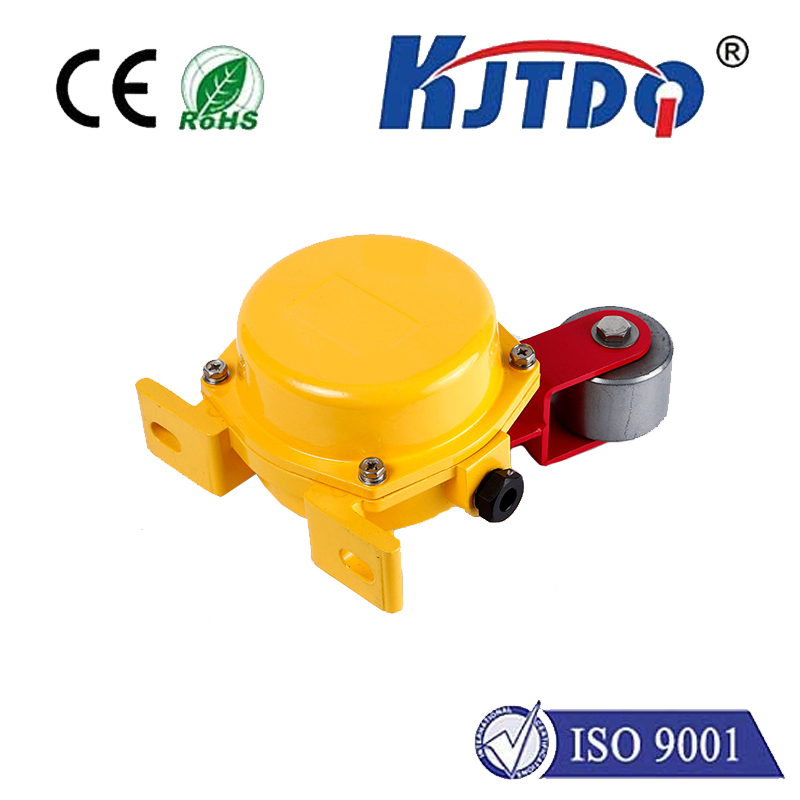
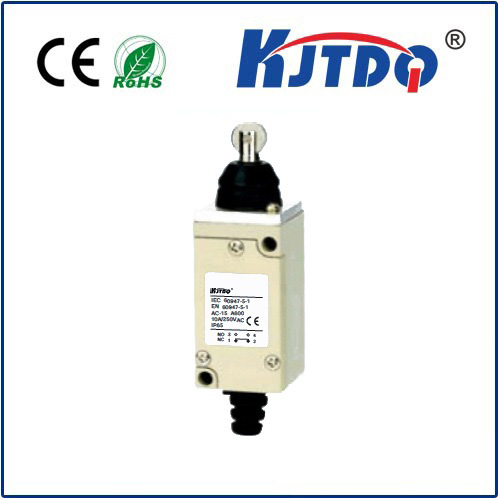
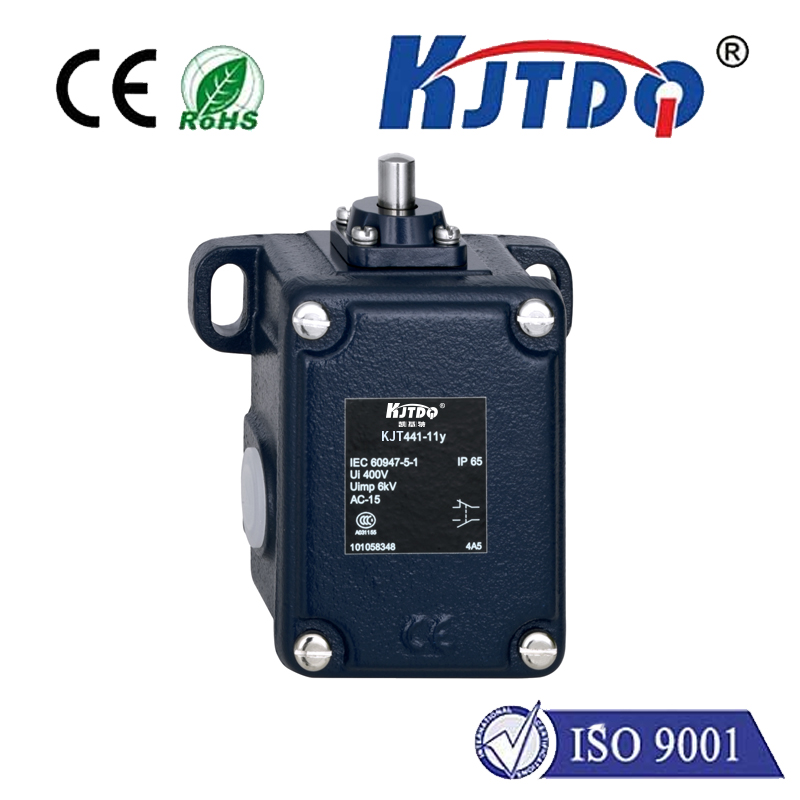
At its core, a water limit switch is an electromechanical sensor designed to monitor and control liquid levels within a tank or vessel. It functions by triggering an electrical circuit when the water reaches a predetermined high or low point. This signal can then be used to activate alarms, shut off pumps, or open and close valves, creating an automated control loop. The fundamental principle relies on a float, diaphragm, or probe that physically moves with the water level, mechanically engaging or disengaging a switch. Modern iterations often incorporate advanced technologies like magnetic reed switches or solid-state sensors for enhanced reliability and durability, especially in harsh environments with scale, corrosion, or high temperatures.
The applications of a robust water limit switch are vast and varied. In industrial settings, imagine a large cooling system for machinery. An overflow due to a valve failure could lead to water damage, electrical shorts, and costly downtime. A high-limit switch installed at the safe maximum level would detect the rising water and immediately cut power to the inlet pump, averting a spill. Conversely, a low-limit switch prevents pumps from running dry, which can cause overheating and severe mechanical damage. In domestic water heaters, these switches are essential safety features that cut power to the heating elements if the water level drops too low, preventing the tank from overheating and potentially rupturing.
Beyond safety, the water limit switch is a champion of efficiency and conservation. In irrigation systems or water treatment plants, precise level control ensures optimal usage, preventing waste. It automates refill cycles, eliminating the need for manual checks and reducing labor costs. This consistent, automated control also contributes to energy savings by ensuring associated equipment like heaters and chillers operate only within their designed parameters, avoiding unnecessary cycles.
Selecting the right water limit switch requires careful consideration of several factors. The material of construction—such as stainless steel, brass, or specific plastics—must be compatible with the fluid to resist corrosion. The temperature and pressure ratings must exceed the operating conditions of the system. The type of switch mechanism (e.g., float, electronic probe) should be chosen based on the fluid's properties; viscous or dirty fluids might foul a float mechanism, making a non-contact ultrasonic or capacitive sensor a better choice. Finally, the electrical specifications, including voltage, current rating, and whether a normally open or normally closed configuration is needed, must align with the control circuit.
Installation and regular maintenance are key to realizing the full benefits of this device. Proper placement away from turbulence or inflow points ensures accurate level sensing. Periodic testing, perhaps monthly or quarterly depending on the criticality of the application, is crucial to verify the switch activates at the correct level and that the contacts are clean and functional. A failed or stuck switch provides a false sense of security, which can be more dangerous than having no switch at all.
In conclusion, the water limit switch stands as a fundamental pillar in modern fluid system design. Its role transcends simple automation; it is an indispensable component for risk mitigation, asset protection, and sustainable operation. By providing a reliable, fail-safe method to govern liquid levels, it safeguards equipment, prevents environmental incidents, and promotes efficient resource management. For any system where liquid level is a variable, integrating a high-quality, appropriately specified water limit switch is not an optional upgrade—it is a necessary investment in safety, reliability, and long-term operational excellence.