check

check

check

check

check

check
In industrial automation and machinery control, the up limit switch plays a critical role in ensuring operational safety and precision. This device, often referred to as an upper limit switch or top limit switch, is designed to detect when a moving part or load reaches its maximum allowable travel point. Upon contact or proximity sensing, it triggers a signal to halt or reverse motion, preventing over-travel, collisions, or damage to equipment.
The up limit switch is commonly integrated into systems such as cranes, elevators, conveyor belts, and hydraulic presses. Its primary function is to provide a fail-safe mechanism that interrupts power or control circuits when a preset upper boundary is reached. This not only protects machinery from mechanical stress but also enhances workplace safety by reducing the risk of accidents caused by uncontrolled movement.
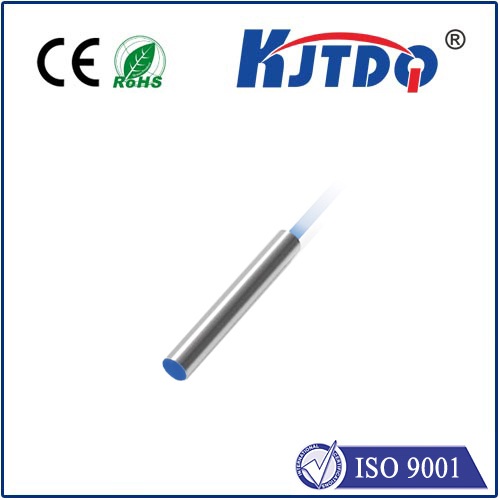
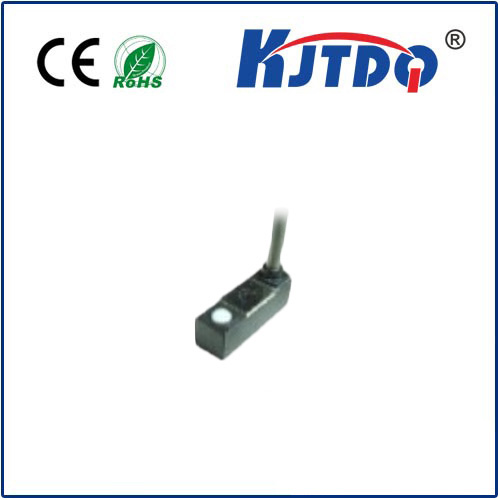
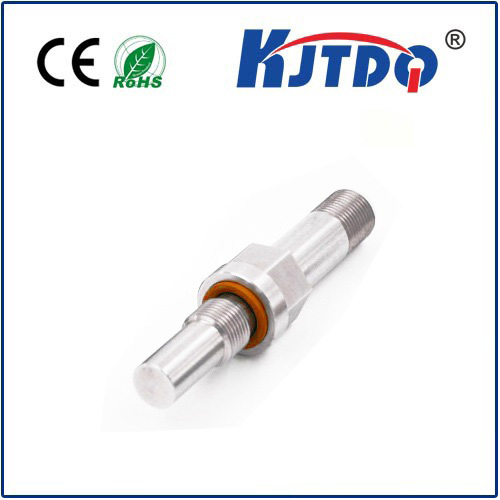
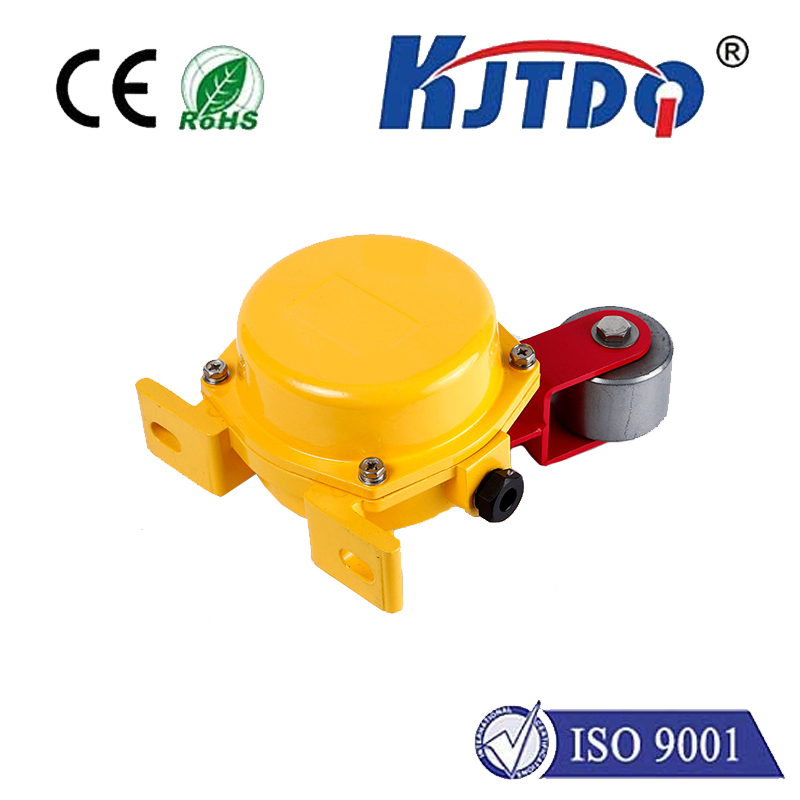
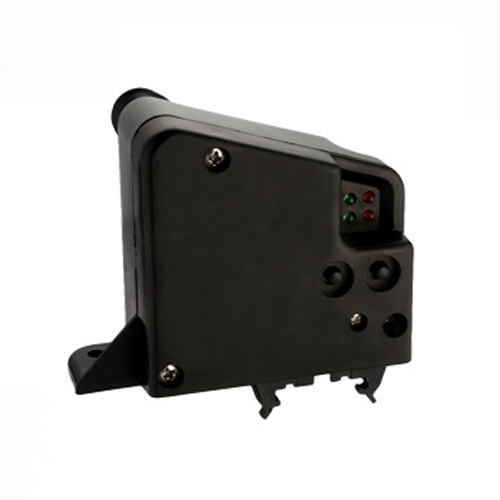
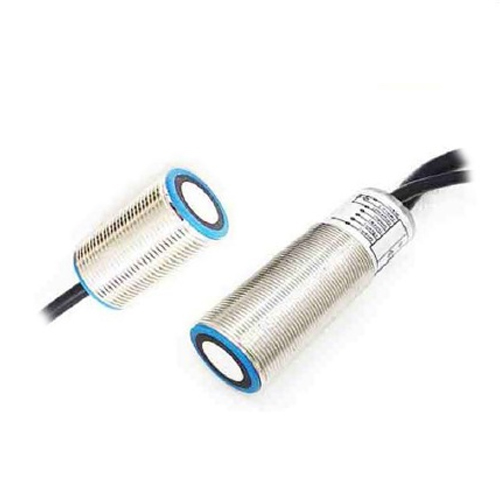
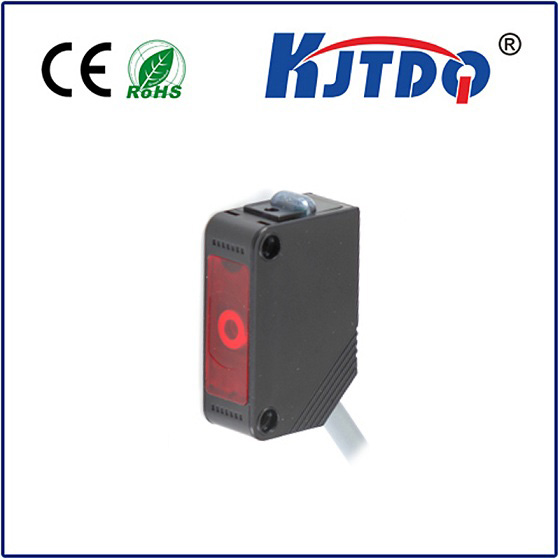
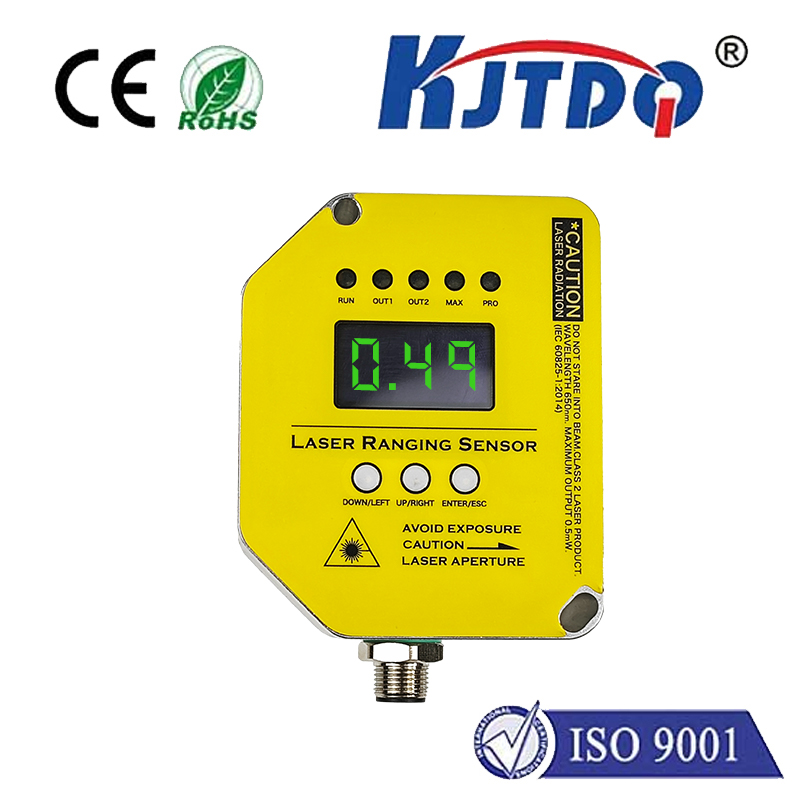
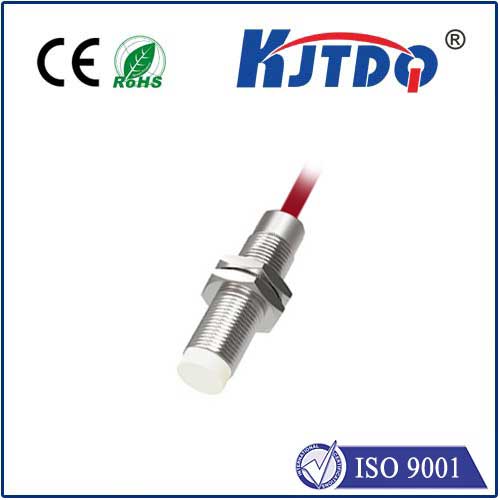
Modern up limit switches come in various types, including mechanical lever-arm switches, proximity sensors, and magnetic reed switches. Mechanical versions rely on physical contact with the moving component, while non-contact variants use inductive, capacitive, or optical principles for detection. The choice depends on factors like environmental conditions (e.g., dust, moisture), required precision, and durability needs. For instance, in harsh industrial settings, sealed or ruggedized models are preferred to withstand vibrations, temperature extremes, and corrosive elements.
Installation and calibration are key to the effective performance of an up limit switch. Proper positioning at the correct height or angle ensures accurate triggering without false stops. Regular maintenance, such as cleaning contacts and testing responsiveness, helps maintain reliability over time. In automated production lines, these switches often interface with programmable logic controllers (PLCs) to enable seamless integration into broader control systems, allowing for real-time monitoring and diagnostics.
The benefits of using a high-quality up limit switch extend beyond safety. It contributes to operational efficiency by minimizing downtime caused by equipment damage, reducing repair costs, and extending machinery lifespan. In industries like manufacturing, logistics, and construction, where precision movement is paramount, this component ensures consistent performance and compliance with safety regulations.
As technology advances, smart up limit switches with IoT capabilities are emerging. These devices can transmit data on usage patterns, wear levels, and fault alerts to centralized systems, enabling predictive maintenance and optimized operations. However, the core principle remains unchanged: providing a reliable physical or electronic barrier against excessive upward motion.
For engineers and system designers, selecting the right up limit switch involves evaluating load capacity, response time, electrical ratings, and environmental certifications. Standards such as IEC 60947-5 or UL listings guide compliance for specific applications. Ultimately, integrating a robust up limit switch is a proactive investment in safeguarding both equipment and personnel, reinforcing its status as an indispensable element in industrial automation.