check

check

check

check

check

check
In industrial automation and process control, precision and reliability are non-negotiable. The Topworx DXP series limit switch stands as a critical component in monitoring and controlling the position of valves, doors, and other mechanical equipment. This manual serves as an essential resource for engineers, technicians, and maintenance personnel to ensure optimal performance and longevity of these robust devices.
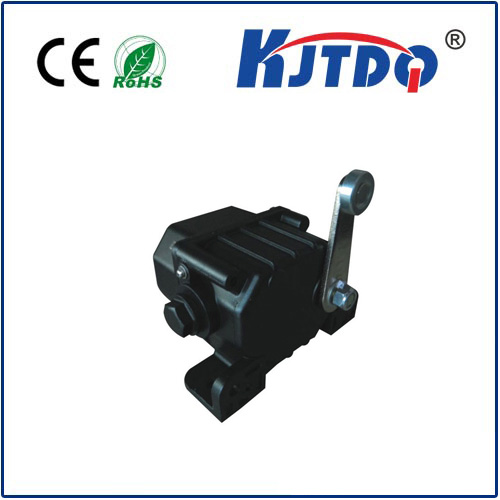
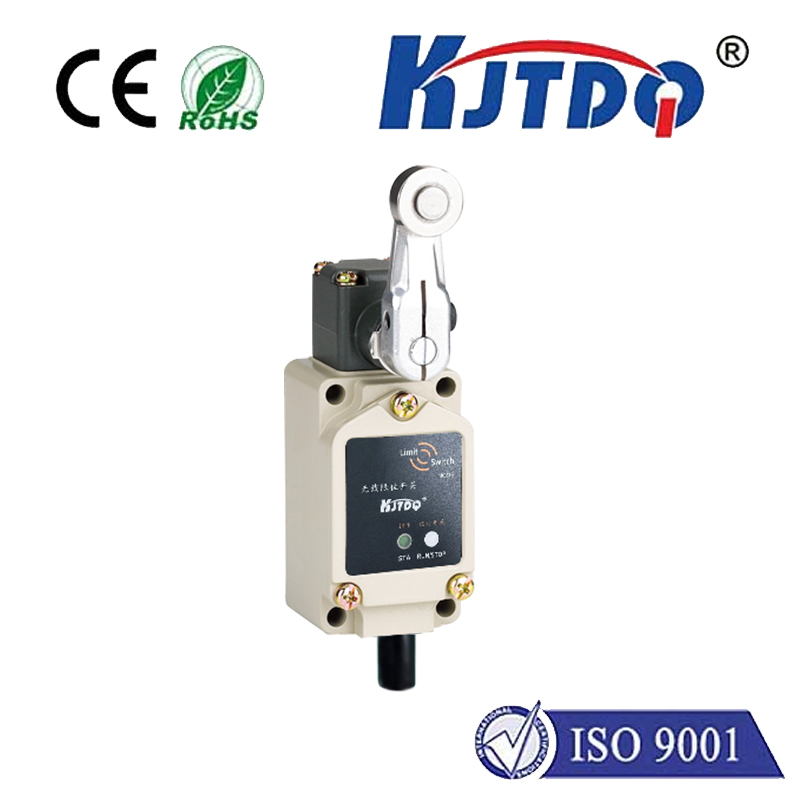
Understanding the Topworx DXP limit switch begins with its core function. It is an electromechanical device designed to detect the presence or absence of an object, or to monitor positional limits, by physically making or breaking an electrical circuit. The DXP series is renowned for its durability in harsh environments, featuring a sealed housing that protects against moisture, dust, and corrosive elements. Its compact design allows for easy integration into various mechanical assemblies without compromising on switching accuracy.
Proper installation is the first step toward reliable operation. Before mounting, ensure the operating environment is compatible with the switch's specifications regarding temperature, pressure, and hazardous area certifications. The mounting bracket should be securely fastened, and the actuator arm must be aligned correctly with the target machine part, typically the valve stem or lever. Incorrect alignment can lead to premature wear or false triggering. Follow the torque specifications provided in the official documentation for all fasteners to avoid damage to the housing or threads. Electrical connections are equally crucial. Always de-energize the circuit before wiring. The DXP switch typically features clearly marked terminals for power, load, and common connections. Use appropriate gauge wire and ensure terminals are tight to prevent arcing or connection failure. For models with conduit entries, proper sealing must be maintained to preserve the ingress protection (IP) rating.
Configuration and adjustment procedures are straightforward but demand attention to detail. The actuator's operating point—the exact position where the internal snap-action mechanism trips—can often be fine-tuned. This adjustment allows you to set the precise moment of electrical contact change relative to the mechanical movement. Use a multimeter in continuity mode to verify the switch state during adjustment. It is recommended to perform a slow, manual cycle of the target equipment while monitoring the switch output to confirm it activates at the desired position. Avoid over-travel, where the actuator is forced beyond its designed mechanical limit, as this can cause internal damage. The robust construction of the DXP switch can handle significant force, but respecting its mechanical limits is key to a long service life.
Routine maintenance is minimal but vital. A periodic visual inspection for physical damage, corrosion, or loose connections can prevent unexpected downtime. Check the integrity of the seal around the actuator shaft and housing. If the switch is used in environments with heavy particulate matter or fluids, more frequent cleaning of the exterior may be necessary to ensure the actuator moves freely. Do not use high-pressure sprays or solvents that could degrade seals or labels. Internally, the contacts are designed for millions of cycles; however, if abnormal operation is suspected, such as chattering outputs or failure to switch, the unit may require replacement, as field repair of the sealed mechanism is generally not advised.
Troubleshooting common issues often involves simple checks. If the connected control system does not register a change, first verify power supply and wiring continuity. Next, manually operate the actuator while checking the output with a multimeter. No change in electrical state indicates a potential internal failure of the switch mechanism. If the switch triggers erratically, inspect for mechanical looseness in the mounting or in the target equipment's linkage, which can cause inconsistent actuation. Environmental factors like excessive vibration or temperature extremes beyond the rated specification can also lead to performance issues. Always cross-reference symptoms with the official Topworx DXP manual for model-specific guidance and safety warnings.
Ultimately, the Topworx DXP limit switch is engineered for set-and-forget reliability when installed and maintained correctly. By adhering to the guidelines outlined in this manual—from precise installation and calibration to proactive inspection—you safeguard your process integrity. This commitment to proper practice minimizes unplanned outages, reduces maintenance costs, and ensures that your automated systems function as intended, day in and day out. Keeping a copy of the official manufacturer's documentation on hand for specific technical data, wiring diagrams, and part numbers is the final, indispensable step for any professional working with this critical industrial component.