check

check

check

check

check

check
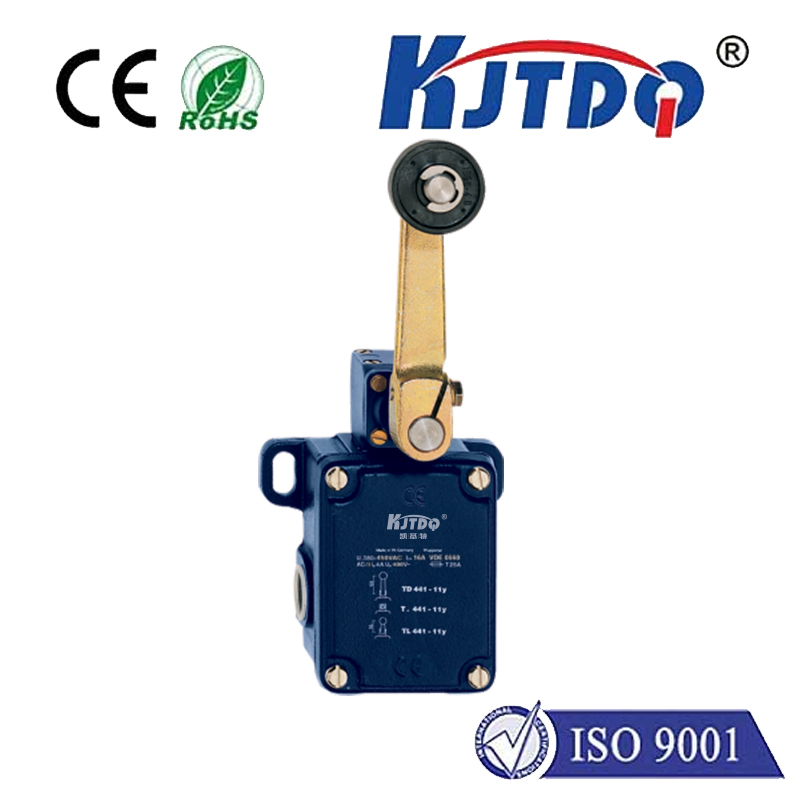
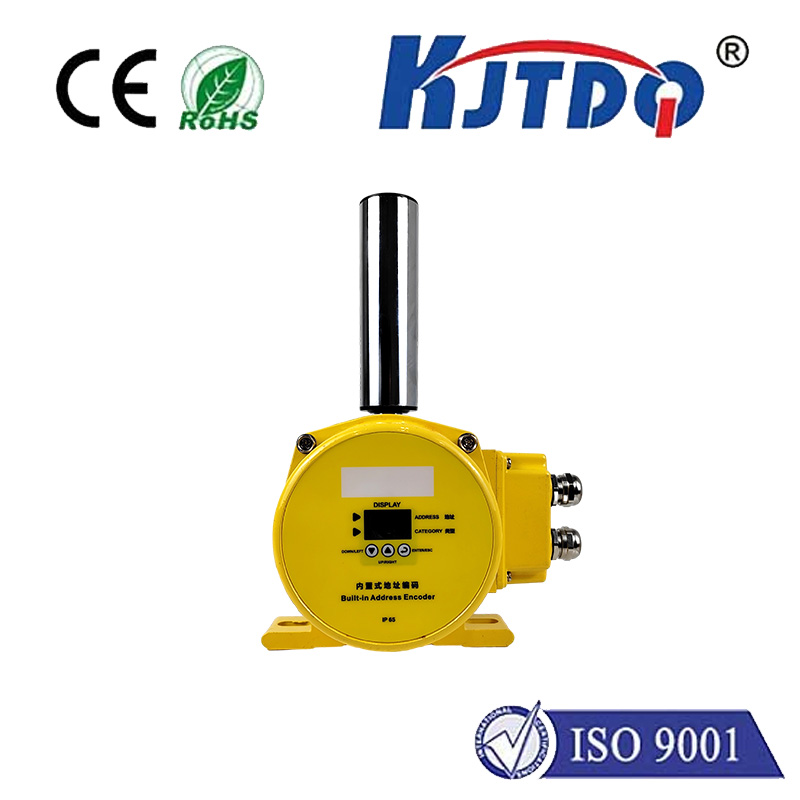
In industrial settings where flammable gases, vapors, or combustible dusts are present, safety is not just a priority—it is an absolute mandate. This is where ATEX-certified equipment becomes non-negotiable. Among the critical components ensuring operational safety and reliability in these zones is the ATEX rotary limit switch. This specialized device is engineered to provide precise positional control and reliable limit detection for rotating equipment like valves, cranes, and conveyors, all within the most demanding and potentially explosive atmospheres.
The term "ATEX" originates from the French "ATmosphères EXplosibles" and refers to the European Union directives governing equipment intended for use in such hazardous areas. An ATEX rotary limit switch is specifically designed and certified to prevent the ignition of surrounding explosive atmospheres. It achieves this through robust construction methods that may include flameproof enclosures, increased safety designs, or intrinsic safety principles. These designs ensure that any potential spark or excessive heat generated within the switch is contained or prevented, thereby eliminating the ignition source.
The core function of a rotary limit switch is to monitor the angular position of a shaft. It converts mechanical rotation into electrical signals that control machinery, indicating when a moving part has reached a predetermined limit. In a standard environment, this is a straightforward task. However, in a hazardous area classified under ATEX Zones (such as Zone 1 for gases or Zone 21 for dust), a standard switch poses a significant risk. An ATEX-certified switch is built to withstand not only the operational stresses but also to maintain its integrity in corrosive or dusty conditions, ensuring it does not become a source of ignition over its entire lifecycle.
Key features distinguish high-quality ATEX rotary limit switches. Firstly, the housing is typically made from durable, corrosion-resistant materials like stainless steel or robust aluminum alloys, offering high ingress protection (e.g., IP66/IP67) against dust and moisture. Internally, the electrical contacts and mechanisms are engineered for exceptional reliability over millions of cycles. The certification marking (e.g., II 2G Ex d IIC T6 Gb) is crucial; it details the equipment group, protection level, type of protection, gas group, temperature class, and device protection level. Understanding this marking is essential for selecting the correct switch for a specific zone and hazardous substance.
The applications for these devices are vast and critical across numerous industries. In oil and gas refineries, they are used on emergency shutdown (ESD) valves and loading arms. In chemical and pharmaceutical plants, they control mixers and reactor vessel hatches. In grain silos and flour mills, they monitor conveyor systems where combustible dust is a constant threat. In each case, the ATEX rotary limit switch provides the dual benefit of precise process control and fundamental explosion safety, protecting both personnel and capital assets.
Selecting the right ATEX rotary limit switch requires careful consideration. Engineers must first define the hazardous area classification (Zone, gas/dust group, temperature class). The mechanical specifications are next: required torque, number of switching positions, adjustment angle, and the type of output contacts (e.g., SPDT, DPDT). Environmental factors like ambient temperature range, potential for washdowns, and exposure to vibrations must also be accounted for. Partnering with a reputable manufacturer that provides comprehensive technical support and full, verifiable certification documents is paramount.
Installation and maintenance, while following the manufacturer's guidelines, are also governed by strict ATEX directives. The equipment must be installed according to its certification, using appropriate cable glands and conduits. Regular inspections are necessary to check for physical damage, corrosion, and integrity of seals. Any maintenance work must be performed by competent personnel to ensure the switch's explosion-protected qualities are not compromised. Proper documentation of all inspections and repairs is a regulatory requirement in most jurisdictions.
In conclusion, an ATEX rotary limit switch is far more than a simple positional sensor. It is a meticulously engineered safety component that serves as a guardian in high-risk industrial processes. Its role in enabling automation and control while rigorously enforcing safety protocols is indispensable. For operations within explosive atmospheres, investing in certified, high-performance ATEX rotary limit switches is a strategic decision that underpins operational continuity, regulatory compliance, and, most importantly, the safety of the entire facility.