check

check

check

check

check

check
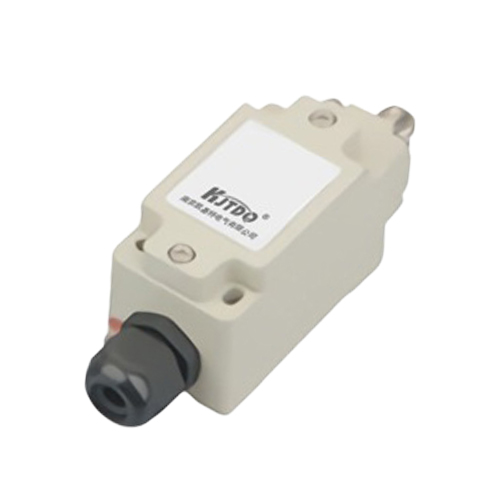
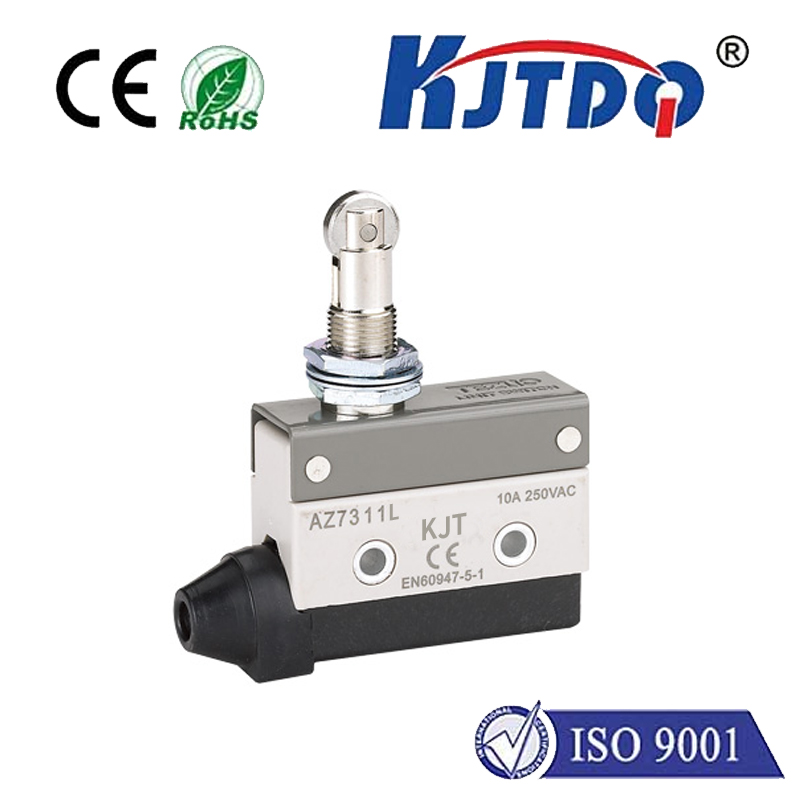
In the world of heating systems, the auxiliary limit switch for furnaces plays a critical yet often overlooked role in ensuring both safety and operational efficiency. This component acts as a secondary safety device, monitoring temperature levels within the furnace to prevent overheating, which can lead to equipment damage or even hazardous conditions. Unlike the primary limit switch, which typically controls the main burner operation, the auxiliary limit switch provides an additional layer of protection, intervening when abnormal temperature rises occur due to issues like restricted airflow, dirty filters, or blower motor failures.
Modern furnaces integrate these switches into their control boards, where they continuously sense heat exchanger or plenum temperatures. When the preset limit is exceeded, the auxiliary limit switch opens the electrical circuit, shutting down the burner or inducer motor to allow the system to cool. This not only safeguards the heat exchanger from cracks or corrosion but also reduces the risk of carbon monoxide leaks—a silent threat in malfunctioning heating systems. Homeowners might notice its impact if their furnace frequently cycles off prematurely or requires manual resets, signaling potential airflow or maintenance needs.
The importance of proper installation and calibration cannot be overstated. Technicians must position the switch accurately to reflect true internal temperatures, as incorrect placement may cause nuisance trips or, worse, failure to activate during actual overheating events. Regular maintenance, including cleaning vents and replacing filters, helps maintain optimal airflow, reducing the likelihood of auxiliary limit switch engagement. In high-efficiency condensing furnaces, these switches also contribute to energy conservation by ensuring the system operates within designed thermal parameters, minimizing fuel waste.
For HVAC professionals, understanding the auxiliary limit switch is key to troubleshooting. Common issues include faulty wiring, accumulated debris affecting sensor accuracy, or wear from repeated cycling. Testing involves checking continuity with a multimeter while the furnace is cool, and replacements should match the original specifications for temperature ratings and electrical load. Upgrading to smart furnaces with diagnostic capabilities can provide alerts for limit switch activations, enabling proactive repairs before minor issues escalate.
Ultimately, the auxiliary limit switch embodies a simple principle: prevention through vigilance. By incorporating this device, manufacturers underscore a commitment to longevity and safety, giving users peace of mind during cold seasons. As heating technology evolves, these components continue to adapt, with newer models featuring enhanced durability and integration with home automation systems. Whether in residential or commercial settings, recognizing the value of this small part can lead to warmer, safer, and more cost-effective winters.