check

check

check

check

check

check
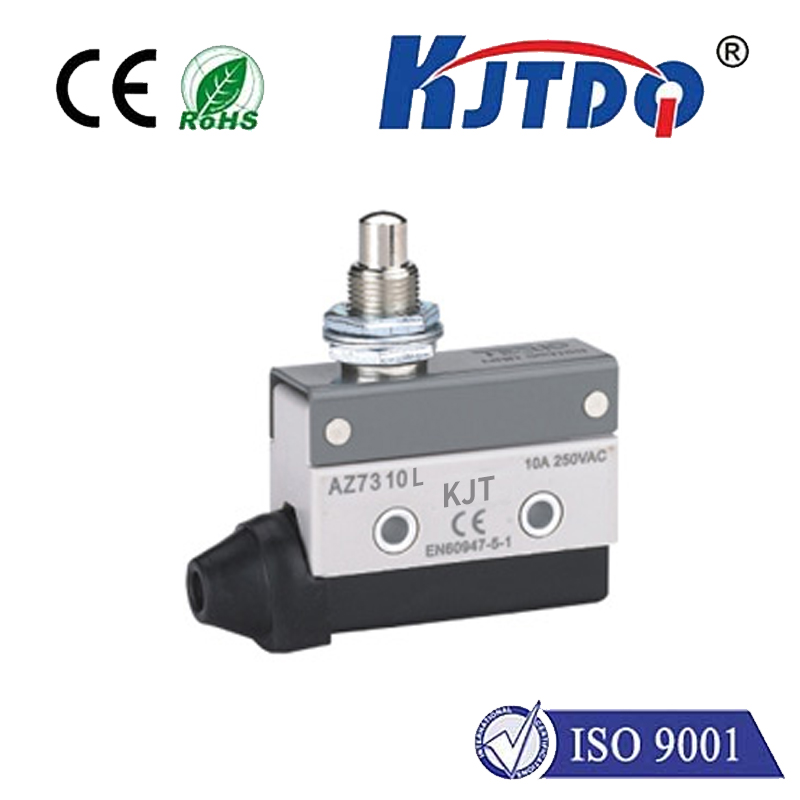
In today's demanding industrial and consumer electronics landscape, components must withstand more than ever before. Dust, moisture, vibrations, and extreme temperatures are common adversaries that can lead to premature device failure. This is where the IP67 micro switch stands out as a critical component for design engineers seeking uncompromising reliability. Unlike standard switches, an IP67-rated micro switch is specifically engineered to offer complete protection against these harsh conditions, making it an indispensable choice for a wide array of applications.
The "IP" in IP67 stands for Ingress Protection, a classification system defined by the international standard IEC 60529. This code precisely details the level of sealing effectiveness an enclosure provides against foreign bodies and moisture. The first digit, "6," signifies complete protection against dust ingress. No dust shall enter the enclosure under test conditions, ensuring the internal mechanism remains uncontaminated. The second digit, "7," indicates protection against the effects of temporary immersion in water. A device with this rating can withstand immersion in up to 1 meter of water for 30 minutes without harmful water penetration. This dual protection is what makes the IP67 micro switch exceptionally robust.
The construction of a true IP67 micro switch involves meticulous design and high-quality materials. Key seals, often made from specialized silicone or rubber compounds, are placed at critical junctures such as the actuator shaft, housing seams, and terminal exits. The housing itself is typically molded from durable, corrosion-resistant plastics or metals, forming a hermetic barrier. The internal switching mechanism, whether it be a precise snap-action or a reliable slow-action design, is shielded from the external environment. This careful engineering prevents the ingress of particulate matter and liquids that could cause corrosion, short circuits, or mechanical jamming.
The practical applications for IP67 micro switches are vast and growing. In the automotive industry, they are found in door latch sensors, brake pedal position detection, and under-hood components, where they resist water spray, road salt, and oil. Agricultural machinery relies on them for control panels and implement positioning in dusty, muddy conditions. Outdoor electronic equipment, such as vending machines, kiosks, and lighting controls, utilizes these switches to endure rain and humidity. Furthermore, they are essential in home appliances like washing machines and dishwashers, where water exposure is constant. Even in medical devices and fitness equipment that require frequent cleaning with disinfectants, IP67 micro switches provide the necessary seal against fluids.
Selecting the right IP67 micro switch requires careful consideration beyond just the ingress protection rating. Engineers must evaluate the electrical specifications, including voltage, current rating (both AC and DC), and the type of load (resistive, inductive, or capacitive). The mechanical characteristics are equally important: actuator type (lever, roller, plunger), operating force, pre-travel, and over-travel. The expected lifecycle, often in the millions of operations, must align with the application's durability requirements. Material compatibility is also crucial, especially in environments with chemicals or UV exposure, to ensure the seals and housing do not degrade over time.
The long-term benefits of integrating an IP67 micro switch into a product design are significant. Primarily, it dramatically enhances product reliability and longevity, reducing warranty claims and field failures. This reliability builds brand reputation for quality and durability. Secondly, it expands the potential market for the product, as it can be sold and operated in regions or applications with challenging environmental conditions. Finally, by preventing internal contamination, it reduces maintenance needs and downtime, leading to lower total cost of ownership for the end-user. While the initial unit cost may be higher than a standard switch, the avoidance of costly failures makes it a wise investment.
In conclusion, the IP67 micro switch is far more than just a sealed component; it is a fundamental design decision for reliability. It represents a proactive solution to environmental challenges, enabling products to perform consistently where others might fail. As technology continues to move into more demanding and interconnected environments, from smart outdoor infrastructure to ruggedized industrial IoT sensors, the role of the robust IP67 micro switch will only become more central. For designers and engineers, specifying a high-quality IP67 micro switch is a critical step in building products that are built to last, ensuring safety, functionality, and customer satisfaction in the face of adversity.