check

check

check

check

check

check
In the realm of automation and precision engineering, the reliability of limit detection is paramount. The optical endstop switch stands as a critical component, often serving as the definitive sentinel for mechanical boundaries in systems ranging from 3D printers and CNC machines to advanced robotics and conveyor systems. Unlike traditional mechanical switches that rely on physical contact, optical endstop switches utilize a beam of light—typically infrared—to detect the presence or absence of an object. This non-contact method of detection eliminates mechanical wear, reduces noise, and offers a higher degree of accuracy and repeatability.
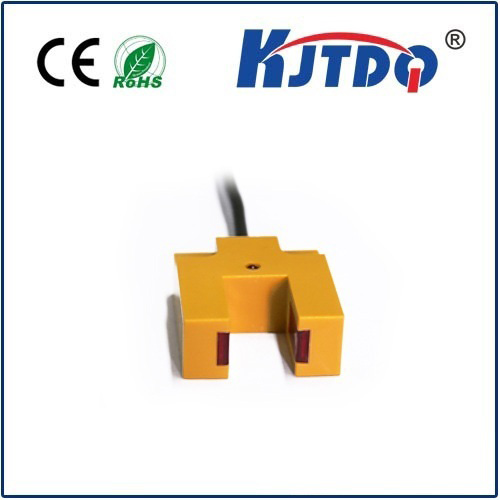
The fundamental operation of an optical endstop switch involves an infrared LED emitter and a phototransistor receiver housed within a single unit. When the path between the emitter and receiver is unobstructed, the light beam reaches the receiver, maintaining a specific output state. When an object, such as a machine carriage or gantry, interrupts this beam, the receiver's state changes, sending a clear signal to the system's controller to halt movement immediately. This mechanism provides a clean, bounce-free signal that is essential for high-precision homing and limit detection.
One of the most significant advantages of the optical endstop is its longevity. With no moving parts to degrade from repeated physical impact, these switches boast an exceptionally long operational life. This translates to reduced maintenance downtime and lower long-term costs for equipment operators. Furthermore, the absence of physical contact means there is no risk of switch deformation or damage from over-travel, a common issue with mechanical endstops. The switch's housing is also typically designed to be resistant to dust and ambient light interference, ensuring stable performance in various industrial environments.
For applications demanding the highest precision, such as in PCB milling or micro-assembly lines, the optical endstop's fast response time and consistent actuation point are invaluable. The trigger point does not drift over time, ensuring that a machine homes to the exact same position every cycle. This consistency is crucial for maintaining tight tolerances and producing repeatable, high-quality results. Integration is straightforward, with most optical endstops providing a simple digital output compatible with standard motor drivers and controllers like Arduino, Raspberry Pi, or industrial PLCs.
When selecting an optical endstop switch, key specifications to consider include the sensing distance, response speed, output type (e.g., NPN or PNP for PLC compatibility), and supply voltage. Proper installation is also critical; the switch must be aligned precisely so that the interrupting flag reliably breaks the beam without causing shadowing effects. Regular cleaning of the lens is recommended to prevent dust accumulation from affecting sensitivity.
In modern smart factories and DIY maker projects alike, the integration of reliable optical endstops contributes directly to system safety and operational efficiency. They prevent costly crashes by defining hard limits for axis movement, protecting both the machine and the workpiece. As automation continues to evolve towards greater speed and precision, the role of the optical endstop switch as a fundamental, reliable sensor will only become more entrenched. Its silent, swift, and steadfast operation makes it an unsung hero in the background of countless automated processes, enabling technology to push the boundaries of accuracy and reliability.