check

check

check

check

check

check
In the intricate world of industrial automation, where precision, reliability, and safety are non-negotiable, the role of limit switches is paramount. Among the trusted names in this critical field, Westlock limit switches stand out as a benchmark for durability and accurate position sensing. These robust devices serve as the vigilant eyes and ears of machinery, providing essential feedback to control systems and preventing costly operational failures.
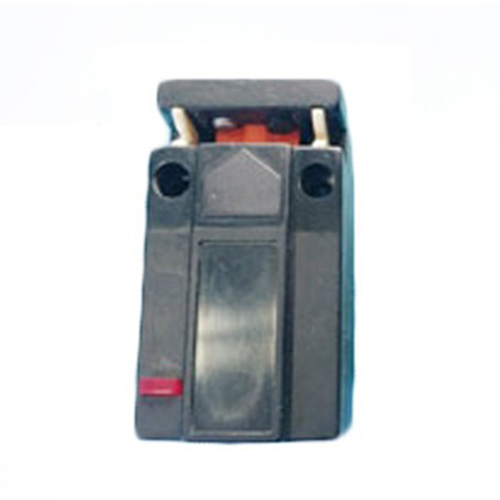
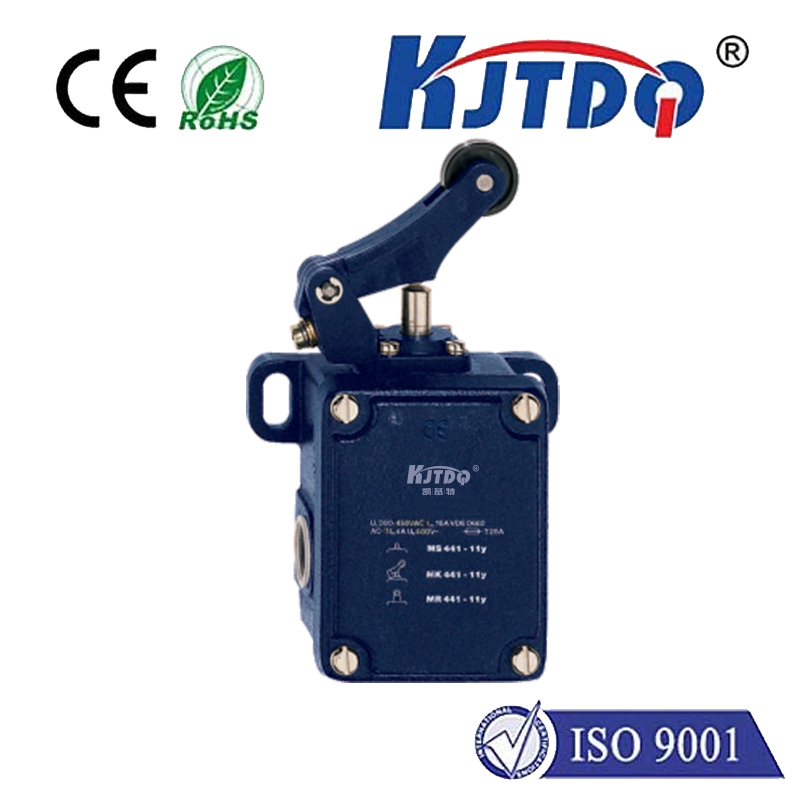
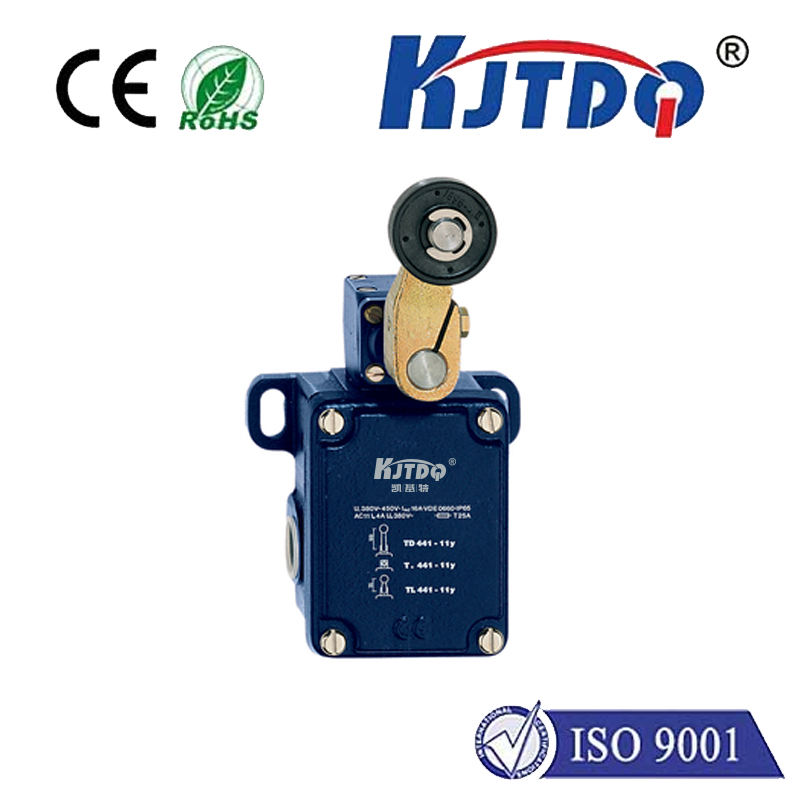
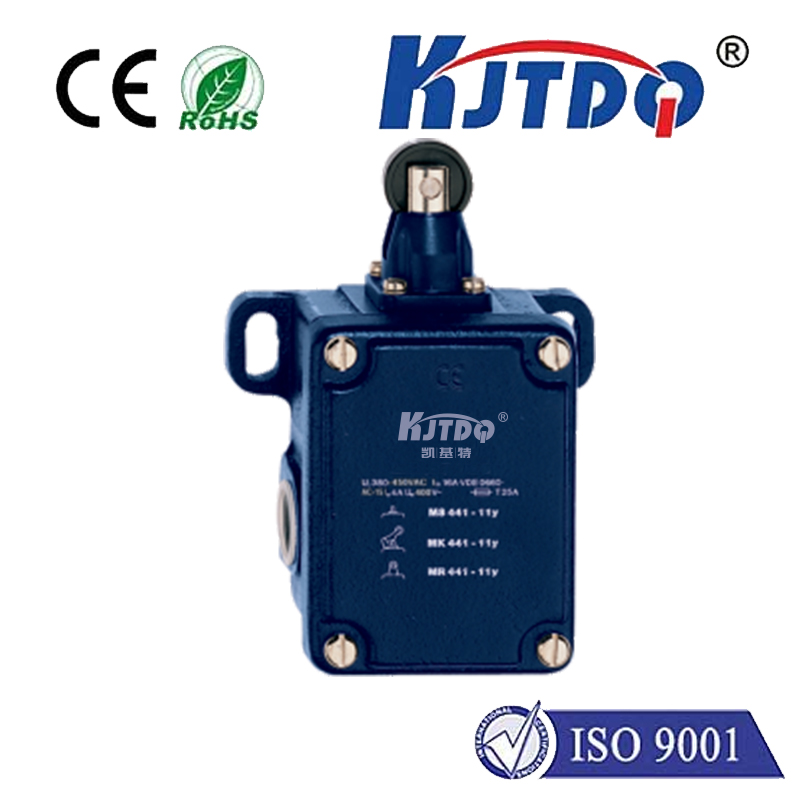
A Westlock limit switch is fundamentally an electromechanical device designed to detect the presence or absence of an object, or to monitor the position of a machine component. It operates on a simple yet effective principle: when an actuator (like a lever, roller, or plunger) is physically moved by a target object, it triggers an internal mechanism to change the state of its electrical contacts. This change—from open to closed or vice versa—sends a clear signal to a programmable logic controller (PLC) or other control unit. This signal can initiate a sequence, halt a process, activate an alarm, or provide positional confirmation, forming the backbone of automated logic and safety interlocks.
The application environments for these switches are often harsh, involving extreme temperatures, moisture, dust, vibration, and corrosive substances. Westlock engineers its limit switches to thrive under such conditions. Key features typically include rugged, sealed housings constructed from materials like die-cast aluminum or stainless steel, providing exceptional protection against ingress (often rated IP67 or higher). The internal switching elements are designed for long life, capable of enduring millions of cycles. Furthermore, many models offer a variety of actuator styles—from standard levers and rollers to custom-designed wands—allowing for precise adaptation to specific mechanical motions and installation constraints.
One of the primary advantages of integrating Westlock limit switches into a system is the enhancement of operational safety. They are frequently employed as critical components in safety circuits to prevent machinery from operating outside its intended parameters. For instance, on a conveyor system, a limit switch can confirm that a safety guard is securely in place before allowing the motor to start. In valve actuation, they provide definitive open/closed position feedback, which is crucial for process control and leak prevention in industries like oil and gas, chemical processing, and water treatment.
Beyond safety, these switches contribute significantly to efficiency and maintenance planning. By providing accurate endpoint detection for cylinders, doors, or moving platforms, they ensure machines operate within their designed cycles, reducing wear and tear on mechanical components. The reliable feedback also aids in diagnostics; a failure to trigger can quickly alert operators to a mechanical jam, a broken part, or a misalignment, enabling proactive maintenance and minimizing unplanned downtime.
Selecting the right Westlock limit switch requires careful consideration of several factors. The electrical specifications—such as voltage, current rating (both AC and DC), and contact configuration (normally open, normally closed, or changeover)—must match the control system's requirements. The mechanical demands are equally important: the actuator type must engage reliably with the target, the operating force must be suitable, and the housing must withstand the environmental challenges. For applications in hazardous locations, models with appropriate explosion-proof certifications are essential.
Installation and setup, while straightforward, demand attention to detail. Proper mounting alignment is critical to ensure consistent actuation. The switch should be positioned so that the actuator makes full, positive contact without being over-traveled, which could cause premature failure. Regular inspection as part of a preventive maintenance routine is recommended to check for physical damage, loose connections, and the integrity of seals.
In conclusion, Westlock limit switches represent more than just simple sensors; they are fundamental components that bridge mechanical movement and electronic control with unwavering reliability. Their robust construction, versatile design options, and proven performance make them a preferred choice for engineers and maintenance professionals across diverse sectors, from manufacturing and packaging to energy and heavy machinery. By ensuring precise positional control and enforcing vital safety protocols, these switches play an indispensable role in optimizing the performance, safety, and longevity of modern automated systems.