check

check

check

check

check

check
In the intricate world of industrial automation and machinery, countless components work in silent harmony to ensure seamless operation. Among these, the humble limit switch pin plays a role far more critical than its modest appearance might suggest. Often overlooked, this small yet vital part is fundamental to the functionality of limit switches, which are the guardians of motion control and safety in automated systems.
A limit switch pin, essentially the actuator or plunger, is the component that physically interacts with a moving part or object. When the target object makes contact with the pin, it triggers the internal mechanism of the switch, sending a crucial electrical signal to the control system. This signal can command a machine to stop, start, reverse direction, or initiate a new sequence of operations. The precision and reliability of this interaction hinge entirely on the integrity and design of the pin.
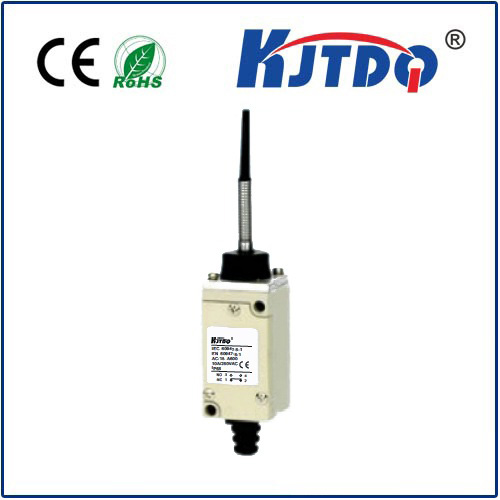
The importance of a high-quality limit switch pin cannot be overstated. It is the first point of contact and, therefore, bears the brunt of mechanical stress and repeated impacts. Manufacturers design these pins from robust materials like stainless steel, hardened steel, or engineering plastics to withstand millions of operational cycles. The design varies significantly based on application: roller plunger pins are common for applications involving cam or edge actuation to reduce wear, while spring-loaded pins offer over-travel protection, preventing damage if the machine exceeds its intended limit. Straight pins are used for direct, precise actuation.
Consider a high-speed packaging line. Limit switches with precisely calibrated pins monitor the position of products on a conveyor belt. When a product tray triggers the switch pin at a specific point, it signals the filling head to dispense an exact amount of product. Any failure, wear, or misalignment of the pin could lead to under-filled packages, jams, or even machine damage, resulting in costly downtime and product waste. Similarly, in robotic arms, limit switch pins define the safe boundaries of movement, preventing the arm from over-extending and colliding with its surroundings or itself.
The selection of the appropriate limit switch pin is a nuanced decision for engineers. Factors such as the operating environment (presence of moisture, dust, oil, or extreme temperatures), the required actuation force, the speed of the moving object, and the necessary precision all influence the choice. For instance, in a food processing plant, a pin made from food-grade stainless steel with a sealed housing is essential to prevent contamination and withstand frequent washdowns.
Beyond basic functionality, advancements in material science and micro-engineering have led to the development of more sophisticated limit switch pins. These include pins with integrated magnets for use in sealed, non-contact magnetic reed switches in hazardous environments, or pins with special coatings for ultra-low friction and extended service life in high-cycle applications.
While the programmable logic controller (PLC) receives the glory for orchestrating complex automation, it is components like the limit switch pin that provide the essential, real-world feedback. They translate physical movement into the electrical language that control systems understand. Ensuring these pins are correctly specified, properly installed, and regularly maintained is not a trivial task—it is a cornerstone of predictive maintenance and operational excellence.
In conclusion, the limit switch pin is a quintessential example of engineering where simplicity meets critical function. Its role in enabling precise positional control, ensuring equipment safety, and facilitating automated sequences is indispensable. For system designers and maintenance professionals, a deep understanding of this component’s characteristics and selection criteria is key to building resilient, efficient, and safe automated systems. It truly is an unsung hero, a small pin upon which the weight of large-scale industrial precision often rests.