check

check

check

check

check

check
In industrial automation and machinery control, precision and reliability are paramount. Among the many components that ensure seamless operations, the push button limit switch stands out as a critical device for safety and efficiency. This article delves into the functionality, applications, and benefits of push button limit switches, offering insights into why they are indispensable in modern engineering.
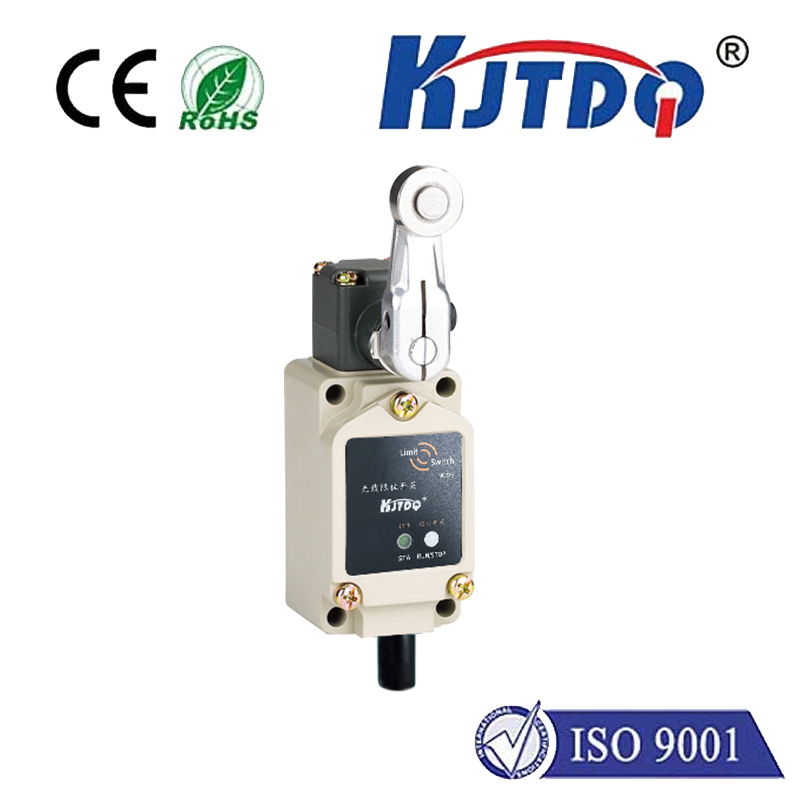
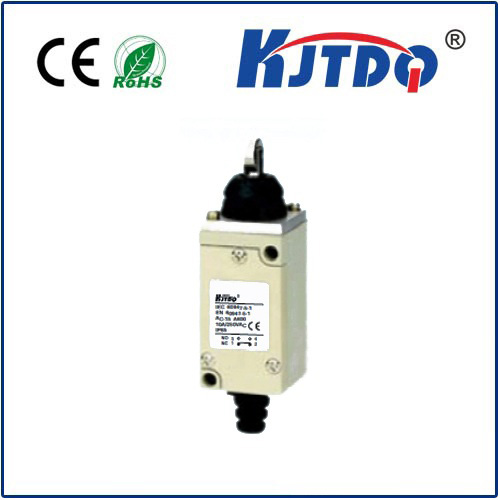
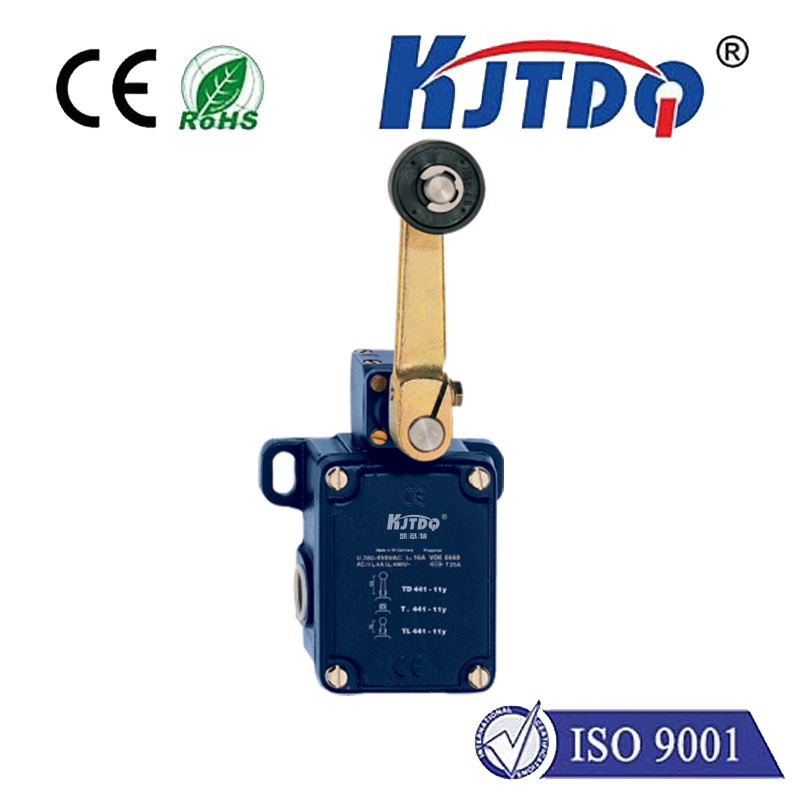
A push button limit switch is an electromechanical device designed to detect the presence or position of an object and trigger a control action when activated. Unlike standard switches, it incorporates a push button mechanism that responds to physical contact, making it ideal for applications requiring precise control over movement limits. When an object presses the button, the switch opens or closes an electrical circuit, sending signals to machinery to stop, start, or change direction. This simple yet effective operation prevents over-travel, collisions, and equipment damage, enhancing overall system safety.
The versatility of push button limit switches makes them suitable for a wide range of industries. In manufacturing, they are commonly used on conveyor belts, robotic arms, and assembly lines to monitor positioning and ensure components are correctly aligned. For example, in automotive production, these switches help control the movement of welding robots, preventing errors that could lead to costly downtime. In material handling systems, they act as safety interlocks on doors or gates, halting machinery when access is required, thus protecting workers from hazards. Additionally, push button limit switches find applications in packaging machinery, where they regulate the filling and sealing processes by detecting product presence.
One of the key advantages of push button limit switches is their durability. Built to withstand harsh environments, they often feature robust housings made from materials like stainless steel or thermoplastic, which resist corrosion, moisture, and dust. This rugged construction ensures long-term performance even in demanding settings such as outdoor installations or heavy industrial plants. Moreover, many models offer adjustable actuation points, allowing engineers to fine-tune sensitivity based on specific operational needs. This adaptability reduces maintenance requirements and extends the lifespan of both the switch and the machinery it controls.
Safety is another critical aspect where push button limit switches excel. By providing a fail-safe mechanism, they help prevent accidents caused by equipment malfunction or operator error. In emergency situations, the switch can be manually pressed to immediately shut down a machine, minimizing risks to personnel and assets. Compliance with international standards, such as ISO 13849 for safety-related parts of control systems, further underscores their reliability. Industries like aerospace and pharmaceuticals, where precision is non-negotiable, rely on these switches to maintain stringent quality controls and avoid disruptions.
When selecting a push button limit switch, several factors should be considered to ensure optimal performance. The operating environment plays a crucial role; for instance, switches used in explosive atmospheres may require explosion-proof certifications. Electrical ratings, including voltage and current capacity, must match the system requirements to avoid overloads. Additionally, the type of actuator—such as roller plunger or lever—can influence responsiveness and accuracy. Consulting with experts or manufacturers can help identify the best model for specific applications, balancing cost-effectiveness with functionality.
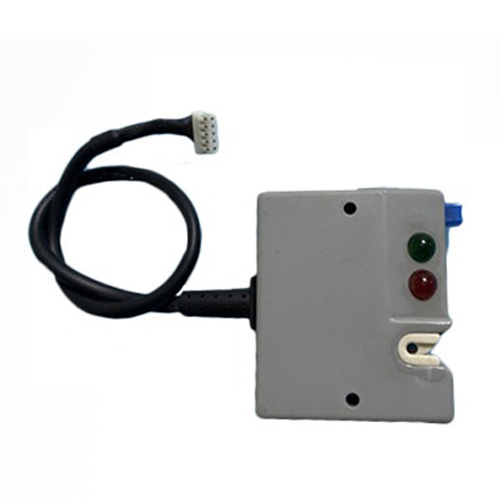
Innovations in push button limit switch technology continue to drive improvements in automation. Modern designs incorporate features like LED indicators for visual status feedback, enhancing user-friendliness and troubleshooting. Wireless variants are also emerging, enabling remote monitoring and integration with IoT systems for smarter factory environments. These advancements not only boost efficiency but also contribute to predictive maintenance strategies, where data from switches can alert operators to potential issues before they escalate.
In conclusion, the push button limit switch is a fundamental component in industrial automation, offering precise control, enhanced safety, and robust durability. Its applications span diverse sectors, from manufacturing to logistics, making it a cornerstone of reliable machinery operation. As industries evolve toward greater automation and connectivity, the role of these switches will only grow in importance. By understanding their functions and benefits, engineers and operators can leverage push button limit switches to optimize processes, reduce downtime, and ensure a safer workplace.