check

check

check

check

check

check
In the world of automation and motion control, precision and reliability are non-negotiable. Whether you're designing an ergonomic hospital bed, automating a solar panel array, or building a custom vehicle modification, the need for controlled, repeatable linear or rotary movement is paramount. This is where the 12-volt actuator with a limit switch becomes an indispensable component. Far more than just a simple motor, this integrated system represents a leap forward in smart, safe, and efficient mechanical design.
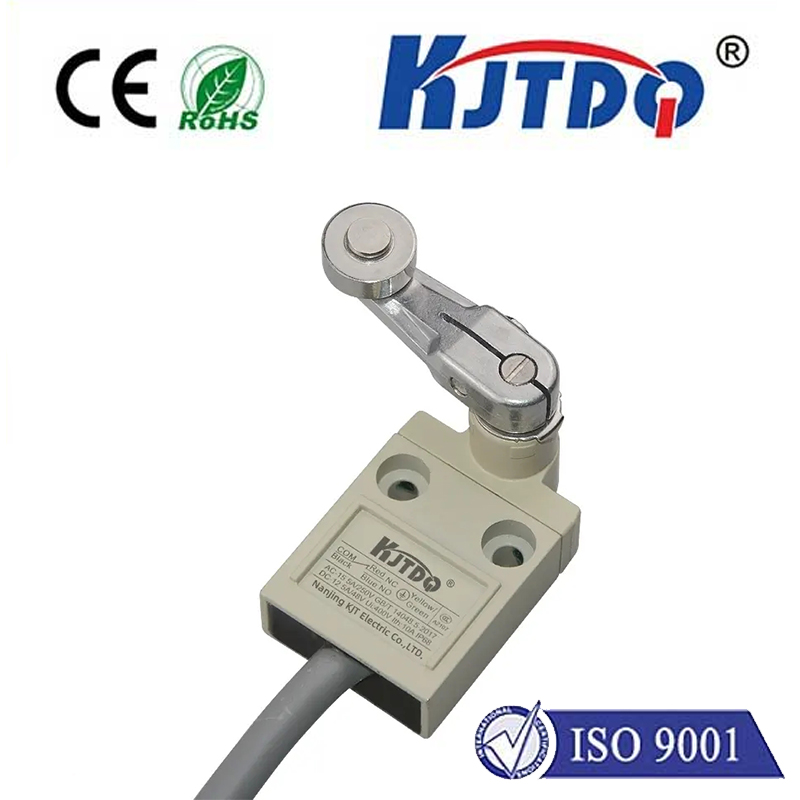
At its core, a 12V DC linear actuator converts electrical energy from a common 12-volt power source—like a car battery, solar system, or standard power supply—into precise linear motion. This makes it incredibly versatile and easy to integrate into mobile, off-grid, or low-voltage applications. The real intelligence, however, lies in the addition of the limit switch. A limit switch is a sensor that detects the presence or absence of an object, or monitors the position of a mechanism. When integrated into an actuator, it serves as a built-in sentinel, automatically stopping the motor's extension or retraction at pre-defined points.
The benefits of this combination are profound. First and foremost, it eliminates guesswork and prevents damage. Without limit switches, an actuator could continuously drive against its mechanical end stops, leading to stalled motors, excessive current draw (often called "stall current"), overheating, and eventual burnout. The limit switch cuts power at the exact moment the desired position is reached, protecting both the actuator and the equipment it's moving. This translates directly into enhanced safety, preventing potential injuries or damage from over-travel, and significantly extends the operational lifespan of the device.
Secondly, it enables fully automated cycles. Once the limits are set, the actuator can move back and forth between two precise points without any manual intervention. This is crucial for applications like automated greenhouse vents, where windows open at a specific height for ventilation and close completely at dusk, or in adjustable TV lifts that rise to a perfect viewing height and retract seamlessly into furniture. The system operates with consistent accuracy, trip after trip.
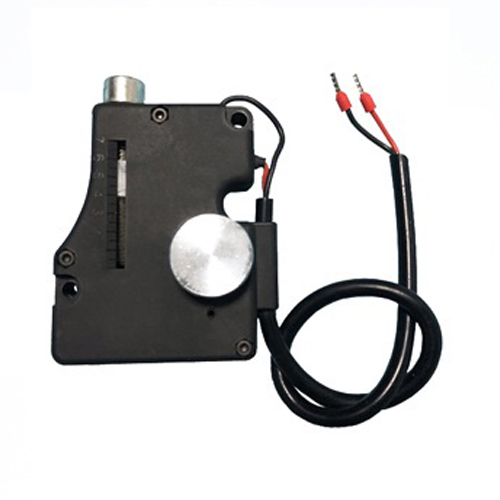
Choosing the right 12-volt actuator with limit switches involves considering several key specifications. The stroke length defines the total linear travel distance. The load capacity, or force rating (often in pounds or newtons), must exceed the weight of the object you intend to move. Speed is another factor, measured in inches per second, which balances the need for quick movement with control and power. The type of limit switch is also important; most common are internal mechanical micro-switches, but some applications may benefit from external magnetic or optical sensors for even finer control. Finally, the duty cycle—the ratio of running time to resting time—indicates how frequently the actuator can operate without overheating.
The practical applications are nearly limitless. In the automotive and marine industries, they power adjustable seats, trim tabs, and hatch lifts. In home automation, they are the driving force behind pop-up TVs, hidden shelves, and adjustable standing desks. For agricultural and industrial use, they control gates, valves, and small machinery. Medical equipment relies on them for smooth, quiet, and safe adjustment of patient beds and surgical tables. The 12V power requirement makes all these applications feasible in vehicles, RVs, boats, and remote locations.
Installation and wiring are straightforward. Typically, the actuator will have two main power wires (positive and negative) for direction control, often via a simple DPDT (Double Pole Double Throw) rocker switch or a relay connected to a control system. The limit switches are usually pre-wired internally, interrupting the circuit automatically. The most critical step during installation is to manually run the actuator through its full cycle once to allow the internal switches to "learn" their endpoints, ensuring they are set correctly for your specific mounting configuration.
In conclusion, a 12-volt actuator with integrated limit switches is more than just a component; it's a complete, self-contained motion control solution. It offers a perfect blend of simplicity, safety, and intelligence for a vast array of projects. By providing reliable, repeatable movement and built-in protection, it empowers engineers, hobbyists, and installers to create automated systems that are not only functional but also durable and worry-free. When your design calls for dependable linear motion, specifying an actuator with this smart safeguard is a decision that pays dividends in performance and longevity.