check

check

check

check

check

check
In the world of computer numerical control (CNC) machining, precision and repeatability are paramount. Every component plays a crucial role in achieving flawless results, and among the most critical yet often understated are limit switches. For operators and workshop owners, understanding and properly implementing CNC router limit switches is not just a technical detail—it's a fundamental practice for safety, machine longevity, and superior output quality.
A CNC router limit switch is an electromechanical device designed to detect the presence or absence of an object, or to monitor the movement boundaries of the machine's axes. Essentially, they act as sentinels, telling the machine controller when a moving part, like the gantry or spindle, has reached a predefined physical limit of its travel. Their primary function is to prevent the machine from moving beyond its mechanical boundaries, which could lead to catastrophic collisions, damage to drive systems, or injury to personnel. Think of them as the bumpers on a bowling lane, guiding the ball and preventing it from veering into undesirable areas.
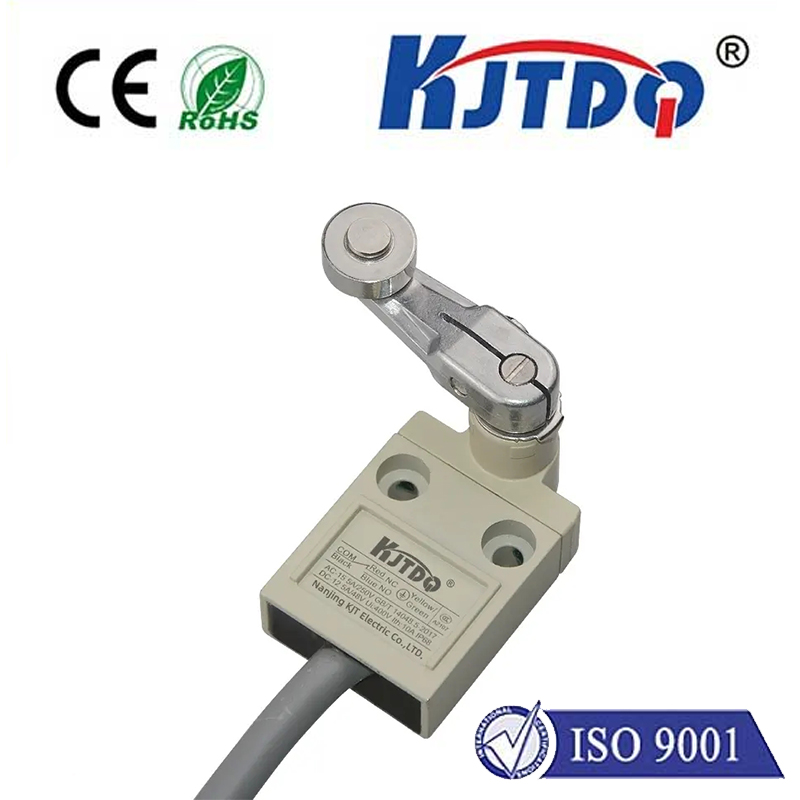
The operational principle is straightforward. Typically, a limit switch consists of an actuator (like a lever, roller, or plunger) linked to a set of electrical contacts. When the machine's moving part contacts the actuator, it triggers the switch to change the state of these contacts—either opening or closing an electrical circuit. This sudden change in signal is instantly read by the CNC controller, which then executes a pre-programmed response. This response is usually an immediate halt to all motion in that specific direction or the initiation of a safe homing sequence. This process happens in milliseconds, providing a reliable hardware-based fail-safe.
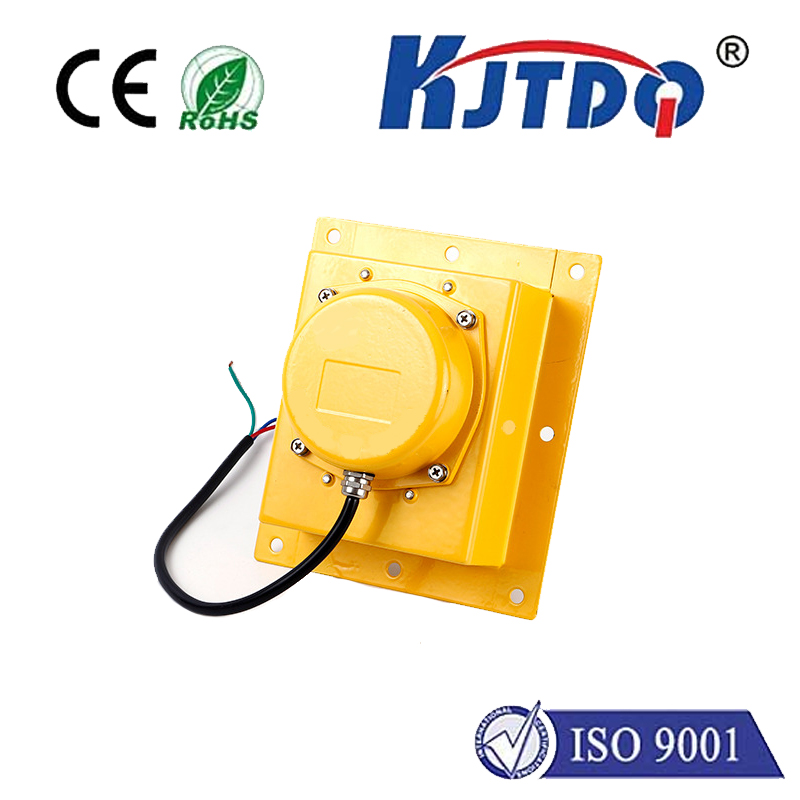
Integrating high-quality limit switches, such as those provided by KJTDQ, offers a multitude of tangible benefits for any CNC routing operation. The foremost advantage is enhanced safety. By physically preventing over-travel, they protect both the machine operator and the expensive machinery from accidental impacts. Secondly, they contribute significantly to machine protection. Continuous crashing or over-travel can lead to bent lead screws, damaged linear guides, and misaligned motors. Limit switches mitigate this wear and tear, reducing downtime and maintenance costs. Furthermore, they are essential for establishing a consistent reference point through the homing procedure. Each time a machine is powered on, it must "home" itself to find a known starting position (often called the machine zero). Limit switches provide the precise signal for this, ensuring that every job starts from an identical coordinate, which is the bedrock of repeatable accuracy across multiple production runs.
When selecting limit switches for a CNC router, several key specifications demand attention. The type of actuator is chosen based on the mounting configuration and the direction of approach. Roller lever switches are common for detecting movement along a straight path. Durability, measured in mechanical and electrical life cycles, is critical for high-duty applications. Environmental sealing is another vital factor, especially in workshops where dust from wood, plastics, or composites is prevalent. Switches with robust ingress protection (IP) ratings will resist contamination and ensure reliable operation. Finally, the electrical rating—the voltage and current the switch can handle—must be compatible with the CNC controller's input requirements.
Even the best switches require proper installation and periodic maintenance. They should be mounted securely on a stable part of the machine frame, with their actuation point carefully aligned so that the moving component engages them consistently and fully. The triggering should occur just before the mechanical hard stop, allowing the electronic signal to stop the motor in time. Wiring must be neat, shielded from electrical noise, and securely connected to the correct input terminals on the controller. Regular maintenance involves checking for physical damage, ensuring the actuator moves freely without obstruction, and testing the switch's signal response. A simple multimeter can verify the continuity change when the switch is actuated.
Common issues with limit switches often stem from misalignment, physical damage, or contamination. A switch that is constantly triggered may indicate misalignment or a faulty connection, putting the machine in a perpetual "limit error" state. Conversely, a failure to trigger can lead to over-travel events. Troubleshooting usually begins with a visual inspection, followed by a manual test of the switch's mechanism and an electrical continuity check. Keeping spare switches on hand is a prudent practice to minimize operational disruption.
In conclusion, CNC router limit switches are indispensable guardians of the machining process. They form a critical layer of protection that safeguards equipment, ensures operator safety, and underpins the precise and repeatable operation that defines professional CNC work. Investing in reliable components from trusted suppliers like KJTDQ and adhering to best practices in their installation and upkeep is a strategic decision that pays dividends in reduced costs, enhanced productivity, and peace of mind. By giving these small devices the attention they deserve, workshop managers can build a more robust, efficient, and safe manufacturing environment.