check

check

check

check

check

check
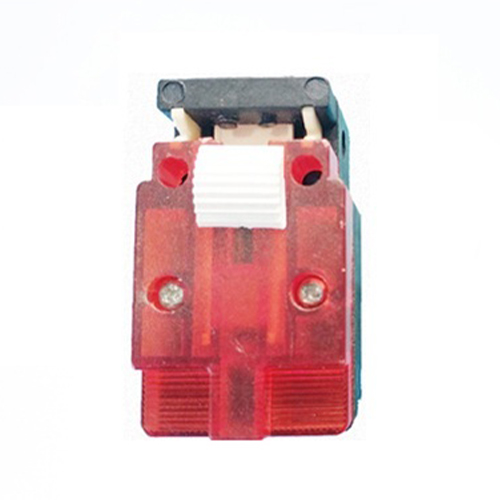
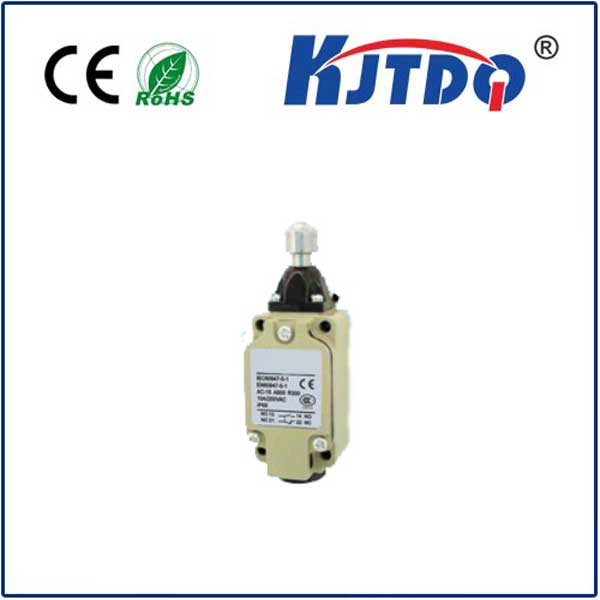
In industrial automation and machinery control, precision and reliability are non-negotiable. The L250F limit switch stands as a critical component in achieving this demanding standard. Designed for durability and accuracy, this device plays a pivotal role in monitoring and controlling the movement of equipment, ensuring operations halt or proceed at exact predetermined points. Unlike generic switches, the L250F model is engineered to withstand harsh environments, including exposure to dust, moisture, and extreme temperatures, making it a versatile choice for diverse applications from manufacturing assembly lines to complex robotic systems.
The core functionality of the L250F limit switch revolves around its actuation mechanism. Typically, it features a robust lever arm that, when physically engaged by a moving part, triggers an internal electrical contact change. This signal is then sent to the machine's control system, initiating a programmed response such as stopping a conveyor belt, reversing a motor direction, or activating a safety sequence. The precision of this actuation is paramount; even a millimeter of deviation can lead to production errors, machine jams, or safety hazards. The L250F's design minimizes over-travel and ensures consistent repeatability, which is essential for maintaining high throughput and product quality.
One of the standout features of the L250F series is its configurability. Many models offer adjustable lever arms, different actuator heads (like roller or fork types), and a variety of electrical terminations. This allows engineers to tailor the switch to specific spatial constraints and operational forces. For instance, in a packaging machine, a roller actuator L250F might be used to detect the presence of a carton, while in a metal stamping press, a heavy-duty lever arm version would be employed to define the upper and lower limits of the press ram's travel. This adaptability reduces the need for custom solutions, saving both time and inventory costs.
Installation and maintenance are streamlined with the L250F's design. Its housing is often built from high-grade materials like die-cast zinc or reinforced thermoplastics, providing excellent impact resistance. Many units come with clear ingress protection (IP) ratings, such as IP67, indicating complete protection against dust and temporary immersion in water. This robustness translates to reduced downtime. Furthermore, the electrical connection points are typically designed for easy access, facilitating quick wiring checks or replacements during routine maintenance schedules. The long mechanical life—often rated in millions of cycles—ensures a strong return on investment.
When integrating the L250F limit switch into a control system, compatibility is key. It seamlessly interfaces with programmable logic controllers (PLCs), relays, and other standard industrial control components. The output signal, usually a simple open or closed circuit, is a universal language in automation. This simplicity enhances system reliability, as there are fewer complex electronics to fail compared to some proximity sensors. For applications requiring position verification, multiple L250F switches can be strategically placed along a travel path to provide staged feedback, enabling more sophisticated control logic.
In conclusion, the L250F limit switch is more than just a simple on/off device; it is a fundamental enabler of automated precision. Its rugged construction, reliable actuation, and flexible design make it an indispensable tool for engineers seeking to enhance the safety, efficiency, and accuracy of their mechanical systems. From ensuring a robotic arm doesn't over-extend to confirming a garage door is fully closed, the L250F provides the dependable physical feedback that automated systems rely on to function correctly and safely in countless industrial and commercial settings.