check

check

check

check

check

check
In the intricate world of electronic components and industrial automation, the reliability of a single, small part can dictate the success of an entire system. Among these critical components, the micro switch stands out for its pivotal role in providing precise control and safety. The V 156 1C25 micro switch, a specific model within this category, exemplifies engineering excellence designed for demanding applications. This article delves into the features, operational principles, and diverse use cases of this essential switch, highlighting why it is a preferred choice for engineers and designers.
A micro switch, fundamentally, is a compact, snap-action switch that operates with minimal physical force. The “snap-action” mechanism is key; it ensures a rapid and definitive transition between the open (OFF) and closed (ON) states. This quick break and make action minimizes arcing, enhances the switch's lifespan, and provides a clear, tactile feedback. The V 156 1C25 model incorporates this proven technology in a robust package. Its designation often points to specific electrical ratings, physical dimensions, and actuator type, making it suitable for integration into predefined spaces and circuits.
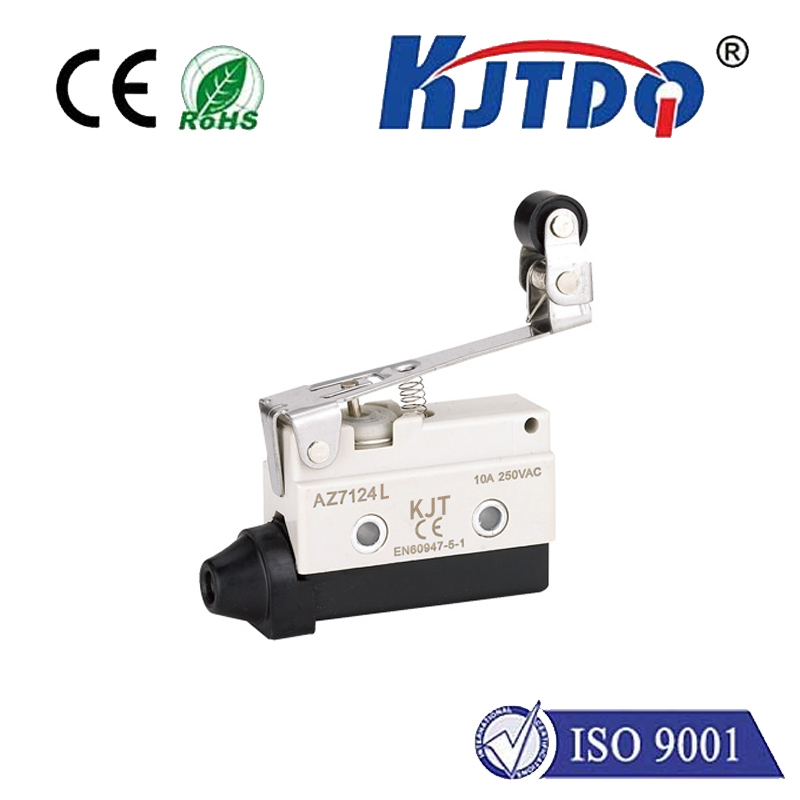
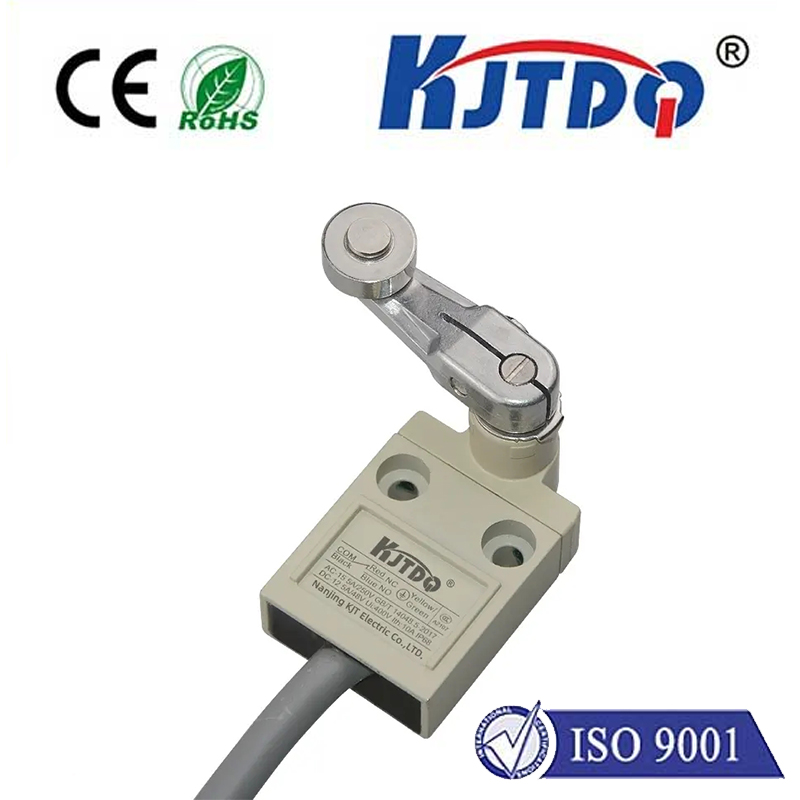
The construction of the V 156 1C25 micro switch typically involves high-grade materials to ensure durability and consistent performance. The housing is commonly made from thermosetting plastics or other insulating materials that offer resistance to heat, chemicals, and impact. Internally, the contacts are frequently silver-plated or made from other alloys that provide excellent conductivity and corrosion resistance, ensuring a stable electrical connection over millions of cycles. The actuator—the part that is physically pressed—can come in various forms such as a lever, roller lever, or pin plunger, allowing the switch to be adapted to different mechanical triggering methods.
One of the standout features of the V 156 series, including the 1C25 variant, is its precise actuation point. The force required to trip the switch and the distance the actuator must travel are carefully calibrated. This precision is crucial in applications like limit switching in machinery, where the switch must activate at the exact moment a moving part reaches a specific position. It prevents over-travel, protects equipment, and ensures repeatable operations. Furthermore, many models offer a degree of over-travel protection, meaning the actuator can be pressed slightly beyond the trip point without damaging the internal mechanism.
The electrical specifications are paramount. The V 156 1C25 is engineered to handle specific current and voltage loads, often categorized for low-current signal circuits or higher-power loads, depending on its contact rating. Understanding these ratings—such as the maximum alternating current (AC) and direct current (DC) it can interrupt—is essential for safe and effective circuit design. Using a switch beyond its rated capacity can lead to premature failure, contact welding, or safety hazards.
Where is the V 156 1C25 micro switch commonly applied? Its utility spans numerous industries. In the realm of home appliances, it serves as a door interlock switch in microwave ovens and washing machines, ensuring the device only operates when the door is securely closed. Within automotive systems, it can be found in brake pedal position sensors or gear selector mechanisms. Industrial automation heavily relies on these switches for position sensing on conveyor belts, robotic arms, and safety guards on machinery, where they halt operation if a guard is opened. Office equipment, vending machines, and medical devices also utilize their reliable switching action for control and safety functions.
Selecting the right micro switch involves several considerations beyond just the model number. Engineers must evaluate the operating environment—factors like temperature extremes, exposure to moisture, oils, or dust. Sealed versions are available for harsh conditions. The required electrical life (number of cycles), the type of load (inductive, resistive, lamp), and the necessary actuator style are all critical decision points. The V 156 1C25 represents a balance of size, performance, and reliability that fits a broad spectrum of these requirements.
Installation and maintenance, while straightforward, demand attention to detail. The switch should be mounted securely to avoid misalignment of the actuator. Wiring must conform to the terminal specifications, and strain relief should be used on cables to prevent mechanical stress on the connections. While these switches are built for longevity, periodic checks for physical damage, loose connections, or signs of contact wear are recommended as part of a preventive maintenance routine, especially in high-cycle applications.
In conclusion, the V 156 1C25 micro switch is more than just a simple component; it is a precision-engineered control device that forms the backbone of safety and functionality in countless electronic and mechanical systems. Its snap-action design, durable construction, and reliable performance underpin the seamless operation of devices we interact with daily. For designers and maintenance professionals, understanding its capabilities and proper application is key to building and sustaining reliable, efficient, and safe technological solutions. Choosing a well-specified micro switch like the V 156 1C25 is an investment in the long-term reliability of any project.