check

check

check

check

check

check
In the demanding world of industrial automation, where precision and reliability are non-negotiable, the humble limit switch remains a cornerstone of control and safety. Among the trusted names in this field, the NLLA limit switch stands out as a robust solution for countless applications. This guide delves into the essential role of these devices, exploring their functionality, key features, and why they are a critical component for engineers and system integrators seeking unwavering performance.
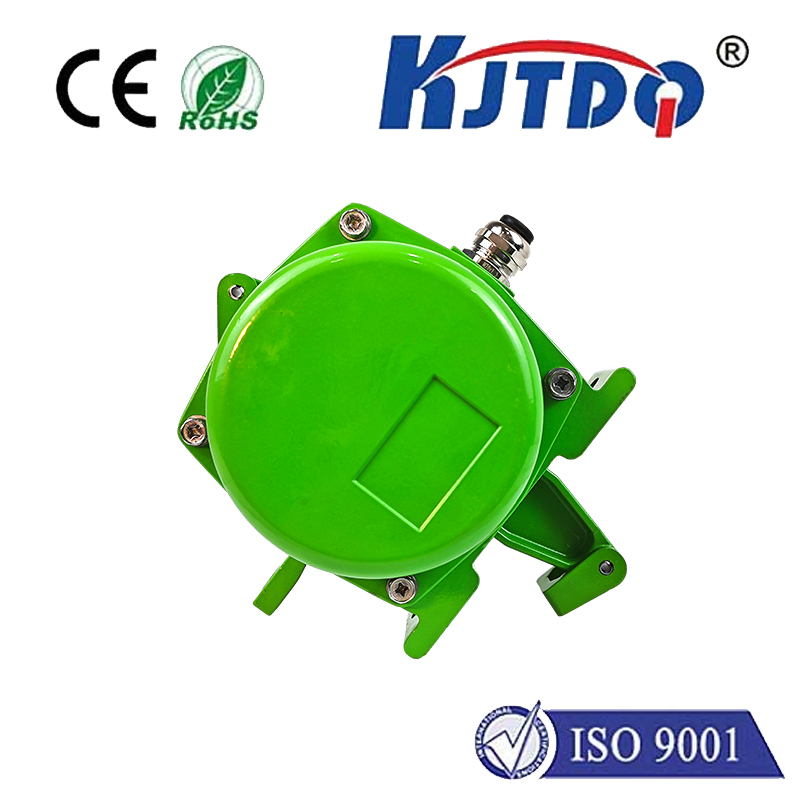
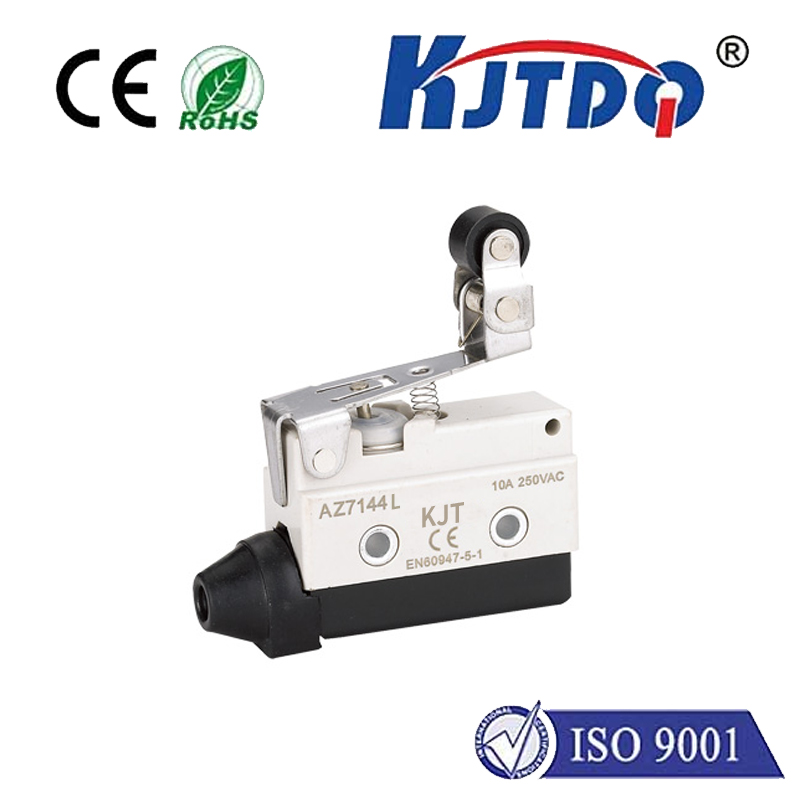
At its core, a limit switch like the NLLA series is an electromechanical device designed to detect the presence or absence of an object, or to monitor the limits of mechanical motion. It acts as a sentinel in a machine, sending a definitive electrical signal to a control system when a physical actuator—such as a lever, roller, or plunger—is moved by contact with a target. This simple yet vital action can initiate, halt, or sequence operations, ensuring machinery operates within its safe physical boundaries. From conveyor belts and robotic arms to packaging machines and elevator doors, the applications are virtually endless, forming the basic feedback loop for automated processes.
The designation "NLLA" typically refers to a specific model series known for its durability and versatility. These switches are engineered to withstand the harsh realities of industrial environments. Key features often include a sealed metal or rugged plastic housing that offers significant protection against ingress of dust, oil, and coolants, frequently meeting IP67 ratings. This ensures reliable operation even in washdown areas or outdoor settings. Internally, the switching mechanism is built for longevity, capable of handling millions of cycles with consistent electrical contact. The actuators are another critical aspect; options like adjustable levers, side-rotating rollers, or top-push plungers allow for precise alignment and adaptation to different triggering motions. This flexibility in mounting and actuation makes the NLLA series a go-to choice for retrofitting existing equipment or designing new systems.
Why is selecting a reliable limit switch so crucial? The answer lies in system integrity and safety. A faulty or imprecise switch can lead to machine malfunctions, production downtime, costly repairs, and even hazardous situations. For instance, in an automated press, a limit switch must accurately signal the end of a stroke to prevent over-travel and damage. In material handling, switches ensure objects are correctly positioned before the next stage begins. The robust construction of the NLLA limit switch directly contributes to reducing unplanned stoppages and maintenance intervals, translating to higher overall equipment effectiveness (OEE) and a stronger bottom line.
When integrating an NLLA limit switch into a control system, proper installation and configuration are paramount. Technicians must consider the operating force, repeat accuracy, and overtravel specifications to match the application's demands. The electrical ratings—voltage, current, and whether it's normally open (NO) or normally closed (NC)—must align with the control circuit's requirements. Regular inspection is also part of a proactive maintenance strategy, checking for physical wear on the actuator, integrity of the cable entry, and cleanliness of the housing seal. This preventative approach maximizes the switch's service life and ensures continuous, safe operation.
Beyond basic functionality, modern advancements have seen limit switches like the NLLA series evolve. While maintaining their fundamental electromechanical principle, enhancements in materials science have led to even more corrosion-resistant bodies and contacts. Furthermore, they are often integrated into broader sensor ecosystems, providing simple, binary feedback that complements more complex proximity sensors and vision systems. Their simplicity is their strength, offering a fail-safe, directly operated solution that is easy to understand, troubleshoot, and replace.
In conclusion, for engineers and maintenance professionals, the choice of a limit switch is a decision that impacts daily operational reliability. The NLLA limit switch series represents a class of components built for endurance and precision. Its role in detecting position and defining limits is fundamental to the smooth and safe functioning of automated machinery. By understanding its features, proper application, and maintenance needs, businesses can leverage this reliable technology to build more resilient and efficient industrial systems, where every cycle counts and every movement is assured.