check

check

check

check

check

check
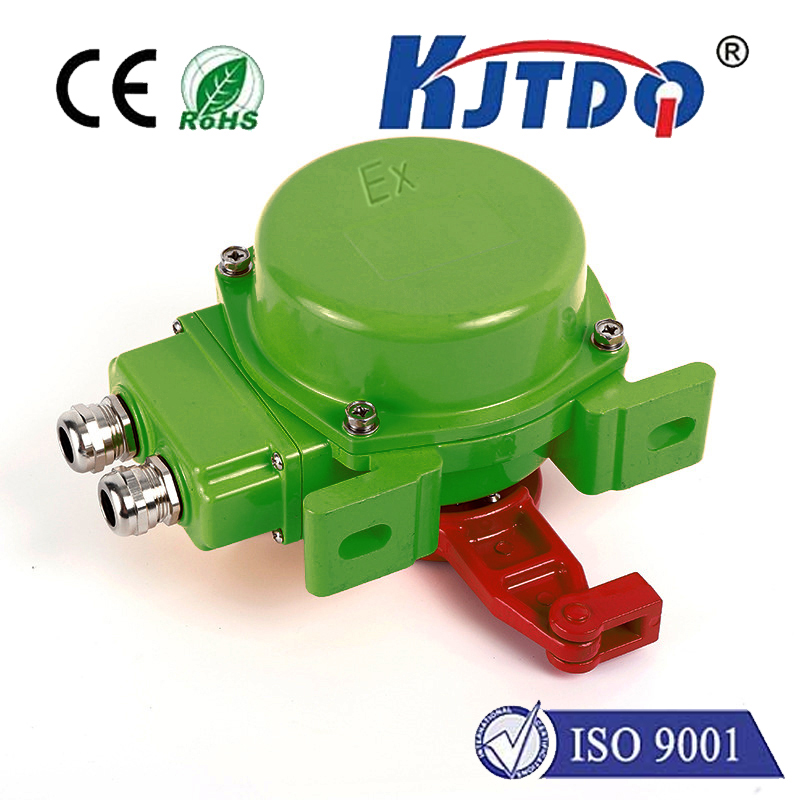
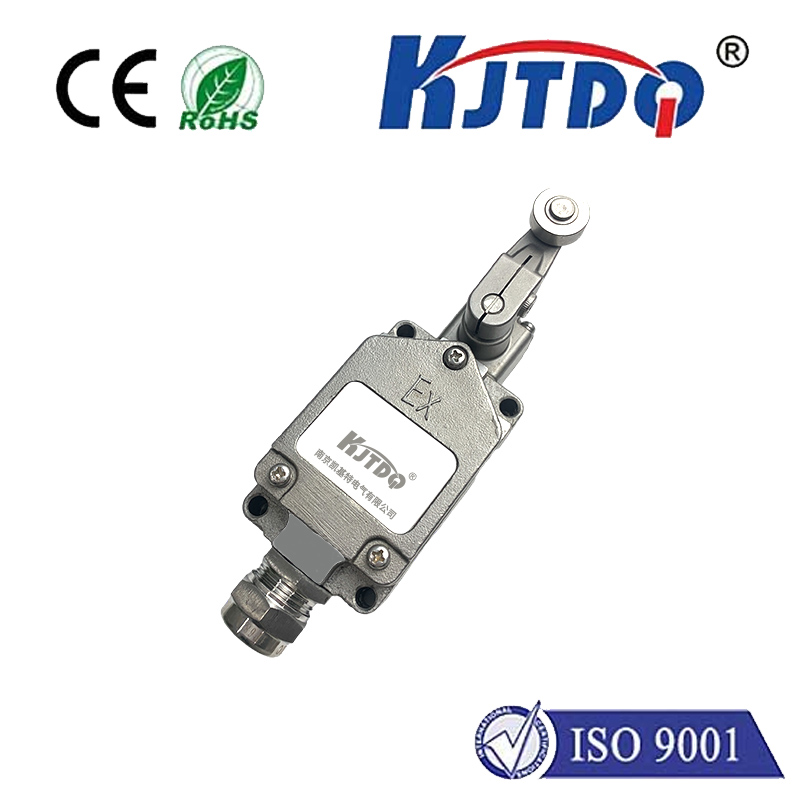
In industrial settings where flammable gases, vapors, or combustible dusts are present, safety is not just a priority—it is an absolute necessity. Ordinary electrical equipment can become a source of ignition, leading to catastrophic explosions. This is where specialized components like the flame proof limit switch become critical. Designed to contain any potential explosion within its robust housing, this device prevents internal sparks or heat from igniting the surrounding hazardous atmosphere.
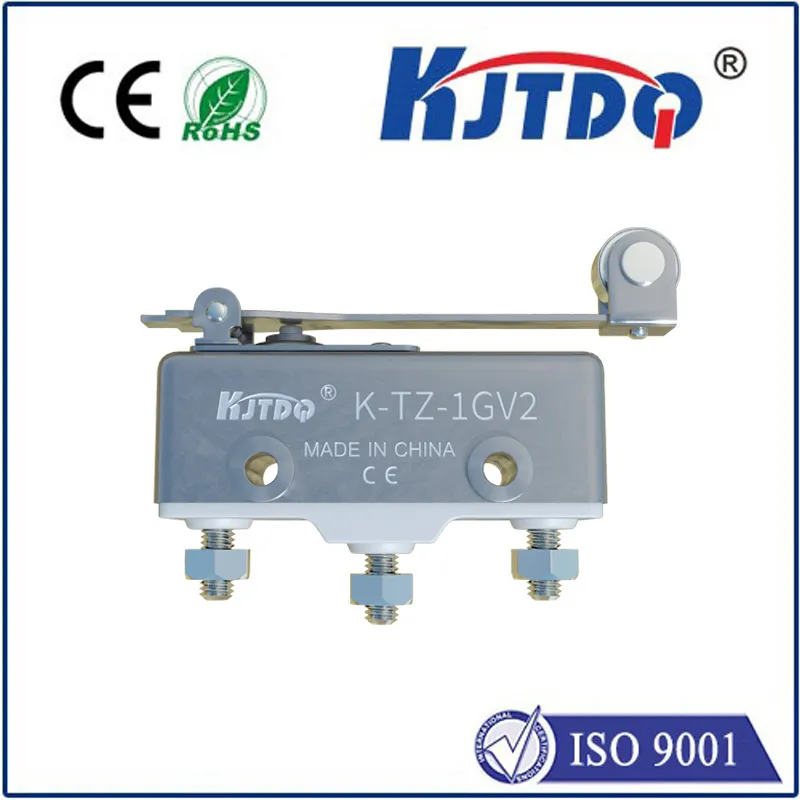
The fundamental principle behind a flame proof limit switch is its ability to withstand an internal explosion without allowing flames or hot gases to escape and ignite the external environment. This is achieved through meticulously engineered joints and flanges on the enclosure. These paths are precisely machined to such a length and tightness that if an explosion occurs inside, the hot gases cool sufficiently as they travel through the narrow gap, exiting at a temperature below the ignition point of the external atmosphere. The switch itself, which is used to control machinery by detecting the presence or position of an object, is housed within this protective shell. Common applications include conveyor systems in grain elevators, valve positioning in chemical plants, and door interlocks on paint spray booths.
When selecting a flame proof limit switch for an operation, several key specifications must be considered. The ingress protection (IP) rating indicates the level of protection against dust and water, which is crucial for harsh industrial environments. The temperature class defines the maximum surface temperature the equipment can reach, ensuring it remains below the auto-ignition temperature of specific gases. Furthermore, the switch must be certified for use in specific hazardous area classifications, such as Zone 1 or Zone 2 for gases, as defined by international standards like ATEX, IECEx, or NEC. Durability is another vital factor; these switches are often constructed from heavy-duty materials like stainless steel or brass to resist corrosion and mechanical impact.
Installation and maintenance of these safety devices require careful attention to detail. Only qualified personnel should handle the installation, ensuring all flame path joints are clean, undamaged, and properly secured according to the manufacturer's guidelines. Any compromise in the integrity of the enclosure can nullify its protective capabilities. Regular maintenance checks are essential to look for signs of wear, corrosion, or damage to the housing and the internal switching mechanism. It is also critical to verify that the correct replacement parts, which maintain the original certification, are used during any repair.
The consequences of neglecting proper safety equipment in classified hazardous areas can be severe, ranging from costly downtime and equipment damage to loss of life. Investing in a certified, high-quality flame proof limit switch is an investment in operational continuity and, most importantly, personnel safety. It acts as a reliable sentinel, ensuring that automated processes in potentially explosive atmospheres can proceed with confidence. By isolating ignition sources, these switches form a fundamental part of a plant's overall intrinsic safety strategy, protecting both assets and people from the devastating effects of an industrial explosion.
Technological advancements continue to enhance the functionality and reliability of these devices. Modern flame proof limit switches may incorporate solid-state electronics, offer longer mechanical life, and provide more precise actuation. However, the core safety principle remains unchanged: containment and isolation. For engineers and facility managers operating in oil and gas, mining, pharmaceutical, or chemical processing industries, understanding and implementing the correct flame proof equipment is a non-negotiable aspect of responsible operations. It ensures compliance with stringent safety regulations and fosters a culture of unwavering commitment to hazard prevention.