check

check

check

check

check

check
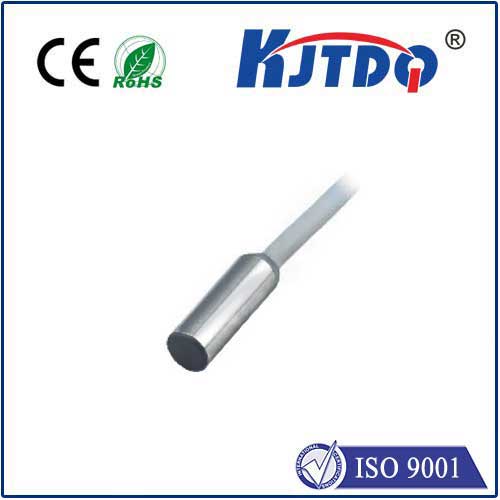
In industrial automation and process control, ensuring both safety and operational efficiency is paramount. Among the critical components that bridge these needs is the Namur limit switch. Unlike standard mechanical limit switches, a Namur sensor is a non-amplifying, two-wire proximity switch designed to work intrinsically safe in hazardous areas. It produces a low-current switching signal that is interpreted by a separate control unit, such as a safety barrier or a programmable logic controller (PLC) input module. This fundamental design makes it a cornerstone in industries like oil and gas, chemical processing, and pharmaceuticals, where the risk of explosion is a constant concern.
The core principle of a Namur limit switch revolves around its output signal. In its normal state, it allows a small current, typically around 1-2 mA, to flow. When the switch is activated—for instance, by a metal target coming into close proximity—the current drops significantly, often below 0.25 mA. This clear, two-state current signal (high/low) is easily and safely monitored by associated control equipment. This simplicity is its strength, as it avoids generating high-energy signals that could ignite flammable atmospheres. The "Namur" designation itself comes from the international user association of automation technology in process industries (NAMUR), which standardized this interface, ensuring compatibility across manufacturers and systems.
The advantages of implementing Namur limit switches are substantial. First and foremost is intrinsic safety. By limiting the energy in the measurement circuit, these switches can be installed in Zone 0, 1, and 2 hazardous areas without the need for bulky explosion-proof enclosures, simplifying installation and maintenance. Secondly, they offer high reliability and diagnostic capability. The control monitoring unit can detect not just the on/off state but also faults like wire breaks or short circuits by monitoring the current level. A current reading outside the normal operating range triggers an alarm, allowing for predictive maintenance and preventing undetected failures that could lead to downtime or unsafe conditions.
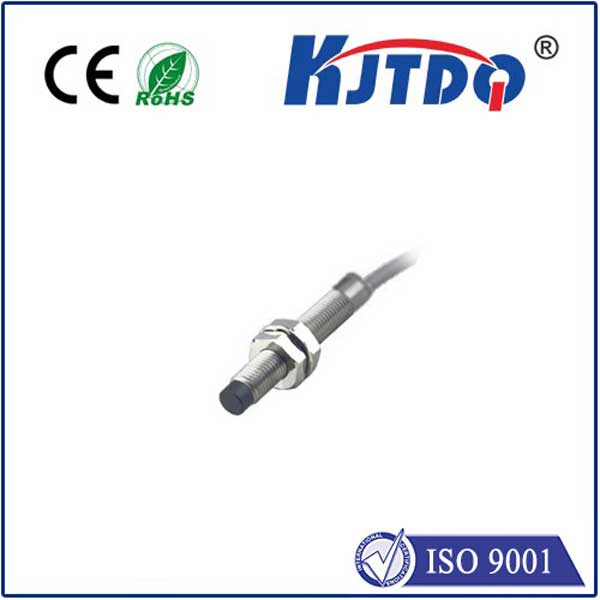
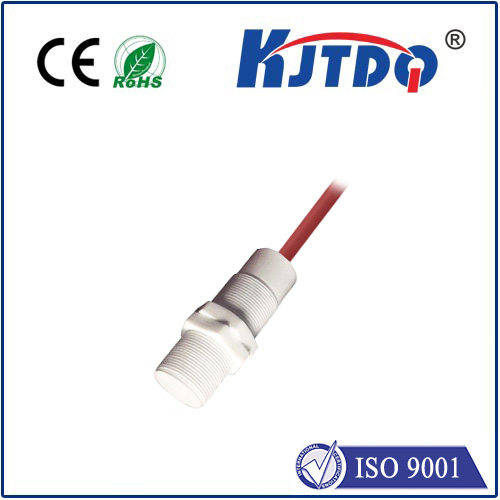
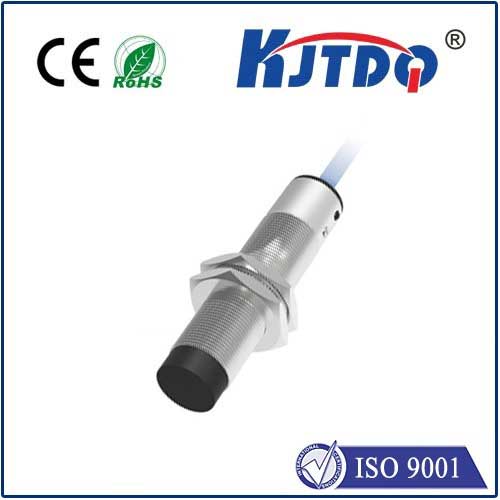
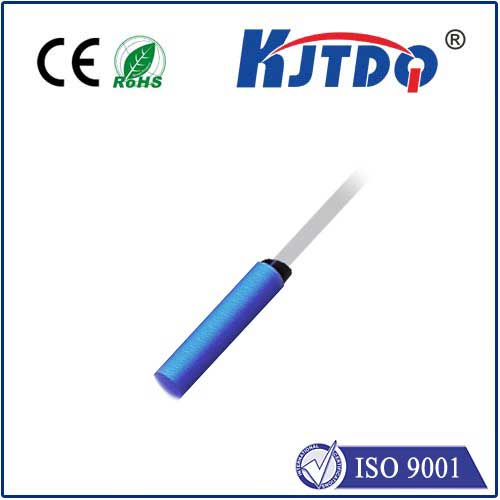
When selecting a Namur limit switch for an application, several key specifications must be considered. Sensing distance is crucial and varies by model and target material. Environmental ratings, such as IP (Ingress Protection) codes for dust and water resistance, and temperature ranges, ensure longevity in harsh plant environments. The housing material, often stainless steel or rugged plastics like PBT, must withstand chemical exposure, mechanical shock, and vibration. Furthermore, the physical form factor—whether cylindrical, rectangular, or with specific mounting threads—must suit the installation space and sensing requirements.
Integration with modern control systems is seamless. The Namur switch's signal is typically fed into an isolated switch amplifier or a digital input module on a safety PLC. These interfaces convert the tiny current change into a robust digital signal for the control system. This setup allows for sophisticated logic, such as using the switch to confirm the position of a valve, the presence of a workpiece on a conveyor, or as an interlock for machine guarding. The diagnostic feedback loop enhances overall system integrity, contributing to higher Safety Integrity Levels (SIL) as per IEC 61508 standards.
Maintenance of Namur sensors is generally straightforward due to their robust, non-contact design. Since there are no mechanical parts to wear out from repeated actuation, they offer a long service life. Routine checks should involve verifying the cleanliness of the sensing face, ensuring proper mounting and alignment, and confirming that the associated control unit is receiving the correct current signals. The diagnostic feature of the monitoring device is the primary tool for health assessment, making troubleshooting efficient.
In conclusion, the Namur limit switch is far more than a simple position detector. It is a sophisticated safety component engineered for reliability in the world's most demanding industrial settings. Its standardized interface, intrinsic safety design, and built-in diagnostic potential make it an indispensable element for protecting personnel, preventing catastrophic equipment damage, and ensuring continuous, efficient process operations. For engineers and system integrators, specifying the correct Namur sensor is a critical step in building a safe, smart, and resilient automation infrastructure.