check

check

check

check

check

check
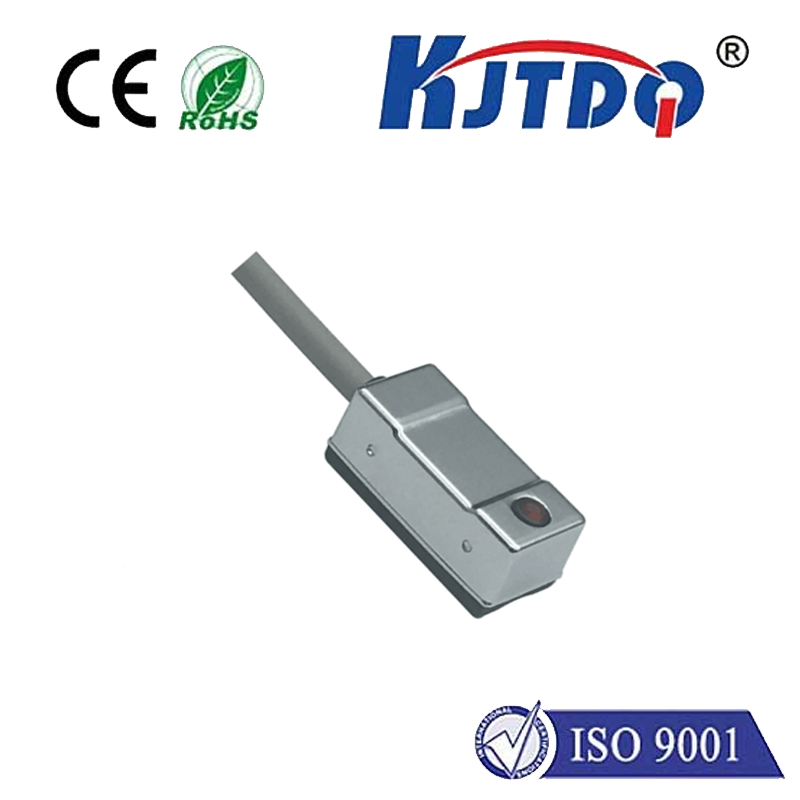
In the dynamic world of industrial automation and machinery, the margin for error is often razor-thin. A single misaligned component or an unexpected movement can cascade into costly downtime, equipment damage, or even safety hazards. This is where the unassuming yet critical tilt limit switch comes into play, acting as a vigilant guardian for both equipment and personnel. Far from being a simple on/off device, a modern tilt limit switch is a sophisticated sensor engineered to detect angular position or inclination with remarkable accuracy, triggering essential actions to maintain operational integrity.
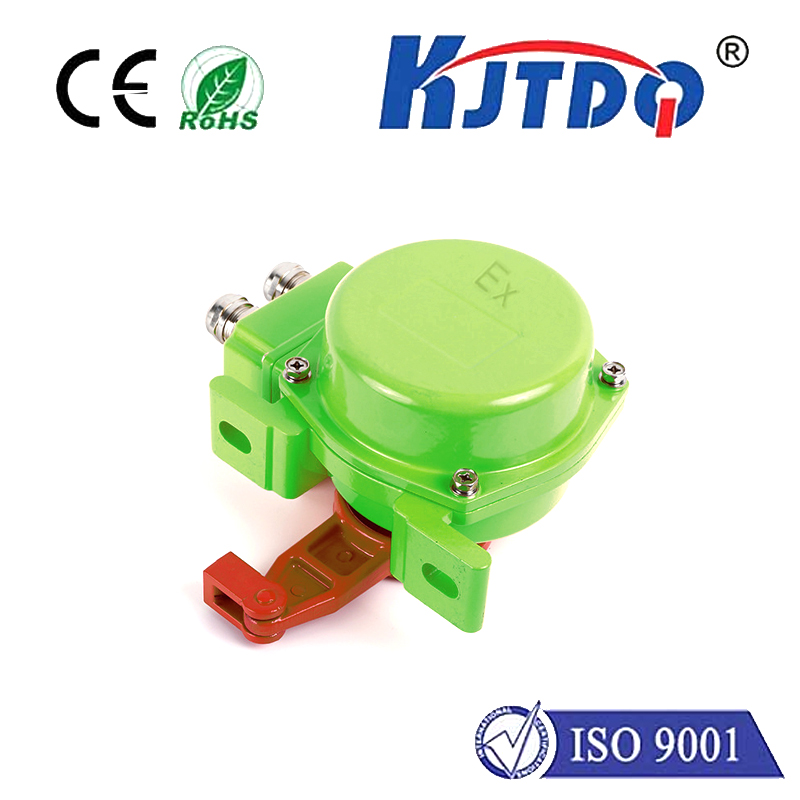
The fundamental principle behind a tilt limit switch is elegantly straightforward. It is designed to monitor the tilt angle of a machine part, structure, or vehicle. When the monitored object tilts beyond a pre-set, safe limit, the switch activates. This activation can take various forms, such as sending an electrical signal to halt a conveyor belt, sound an alarm in a crane operator's cabin, or cut power to a piece of mobile equipment that risks overturning. Imagine a large industrial mixer or a boom lift on a construction site; a tilt limit switch continuously ensures these machines operate within their safe geometric boundaries, preventing catastrophic tip-overs.
The applications for tilt limit switches are vast and span numerous sectors. In material handling, they are indispensable on stacker cranes, forklifts, and automated guided vehicles (AGVs) to prevent load shifts and vehicle instability. Within the renewable energy sector, they are crucial for wind turbine safety, monitoring the blade pitch and nacelle position to optimize performance and activate shutdown sequences during dangerous wind conditions. In maritime and transportation, they secure cargo containers and monitor the list of ships. Even in everyday applications like elevators and amusement park rides, tilt switches contribute to passenger safety by ensuring mechanisms are correctly positioned.
Modern tilt limit switches offer features that go beyond basic functionality. Many are equipped with robust, hermetically sealed housings rated for IP67 or higher, making them resistant to dust, water, oil, and vibrations commonly found in harsh industrial environments. The setting of the activation angle can be highly precise, often adjustable, allowing for fine-tuning based on specific machine specifications. Furthermore, options include different output types—from simple single-pole double-throw (SPDT) mechanical contacts to solid-state electronic outputs—and various mounting configurations to suit diverse installation needs.
Selecting the right tilt limit switch requires careful consideration of several factors. The operating environment is paramount; switches for outdoor mining equipment must withstand extreme temperatures and shocks, while those in food processing might need specific sanitary certifications. The required tilt angle accuracy and repeatability are also critical, as is the electrical load the switch needs to control. Understanding whether a single-axis or dual-axis sensor is needed is essential for correctly capturing the direction of tilt.
Ultimately, integrating a reliable tilt limit switch like those from KJTDQ is not merely an added feature; it is a fundamental component of a comprehensive safety and control system. It represents a proactive approach to risk management, safeguarding valuable capital assets and, most importantly, human lives. By providing a fail-safe mechanism against dangerous inclinations, these devices ensure that machinery operates not only efficiently but also within the strict confines of engineered safety limits. In an era where automation and machine complexity continue to advance, the role of the precise and dependable tilt limit switch remains irreplaceably central to operational excellence and workplace safety.