check

check

check

check

check

check
In industrial automation and control systems, the performance of components under varying thermal conditions is paramount. Among these critical components, the limit switch stands out for its role in detecting the presence or absence of an object, defining travel endpoints, or providing safety interlocks. A key specification that dictates its suitability for an application is its operational temperature range. Understanding and selecting a limit switch with the appropriate temperature range is not merely a technical detail; it is a fundamental decision impacting system uptime, safety, and longevity.
The temperature range of a limit switch refers to the span of ambient temperatures within which the device is guaranteed to operate within its specified electrical and mechanical parameters. This range is typically defined by a minimum and maximum temperature, expressed in degrees Celsius or Fahrenheit. Exceeding these limits can lead to a cascade of potential failures. At high temperatures, internal plastics may warp or degrade, lubricants can dry out or become viscous, and electrical contacts may oxidize faster or experience increased resistance. In severe cold, materials like seals and housings can become brittle and crack, mechanical movements may stiffen or bind due to congealed lubricants, and condensation forming inside the enclosure can lead to short circuits.
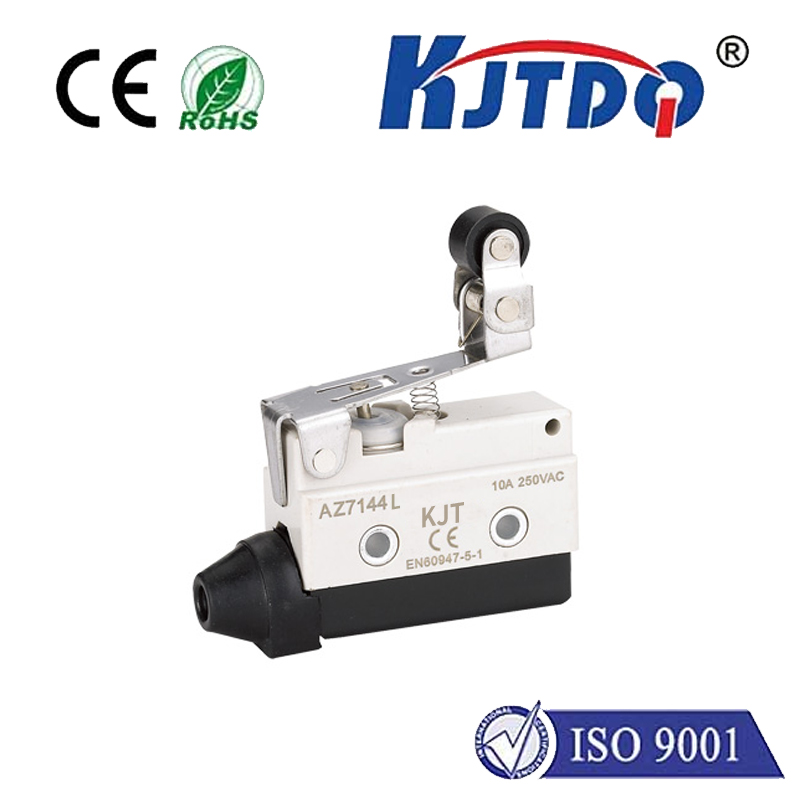
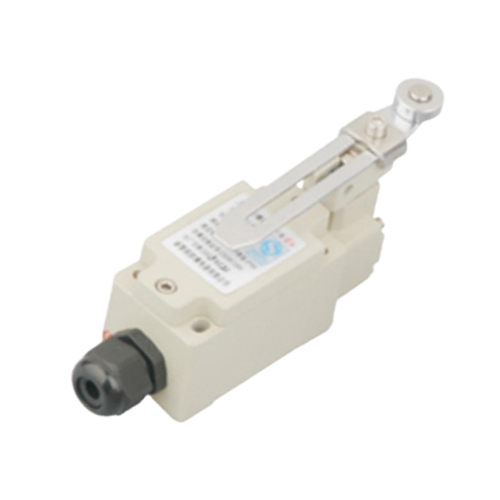
For applications in standard indoor factory settings, a common industrial limit switch might have a range of -10°C to +55°C. However, many industrial environments are far from standard. Consider a steel mill, where switches near furnaces face radiant heat, or a food processing plant where equipment undergoes frequent washdowns with cold or hot water. In outdoor applications, such as on crane gantries, mining machinery, or agricultural equipment, switches must endure direct sunlight, freezing winters, and everything in between. For these harsh environments, specially designed limit switches are required. These may feature high-temperature thermoset plastic or metal housings, high-grade silicone seals, and contact materials rated for stable performance across a wider thermal spectrum. Some models boast extended ranges like -40°C to +85°C or even wider.
The consequences of ignoring the temperature specification can be severe. A switch operating beyond its maximum temperature may fail to make a critical safety circuit, leading to equipment damage or personnel hazard. Premature failure due to thermal stress increases maintenance costs and unplanned downtime. Therefore, a thorough assessment of the application environment is essential. Engineers must consider not just the ambient air temperature, but also factors like heat generated by nearby machinery, exposure to direct sunlight (which can significantly increase surface temperature), potential for thermal cycling, and any process-related temperature extremes like steam or cryogenic fluids.
When specifying a limit switch, always consult the manufacturer's datasheet for the precise temperature rating. Look for certifications from standards bodies like UL or IEC, which validate the claimed performance. For extreme environments, explore options like hermetically sealed switches or those with integral cooling or heating elements. Proper installation also plays a role; ensuring adequate airflow around the switch and protecting it from direct heat sources can help keep it within its optimal operating window.
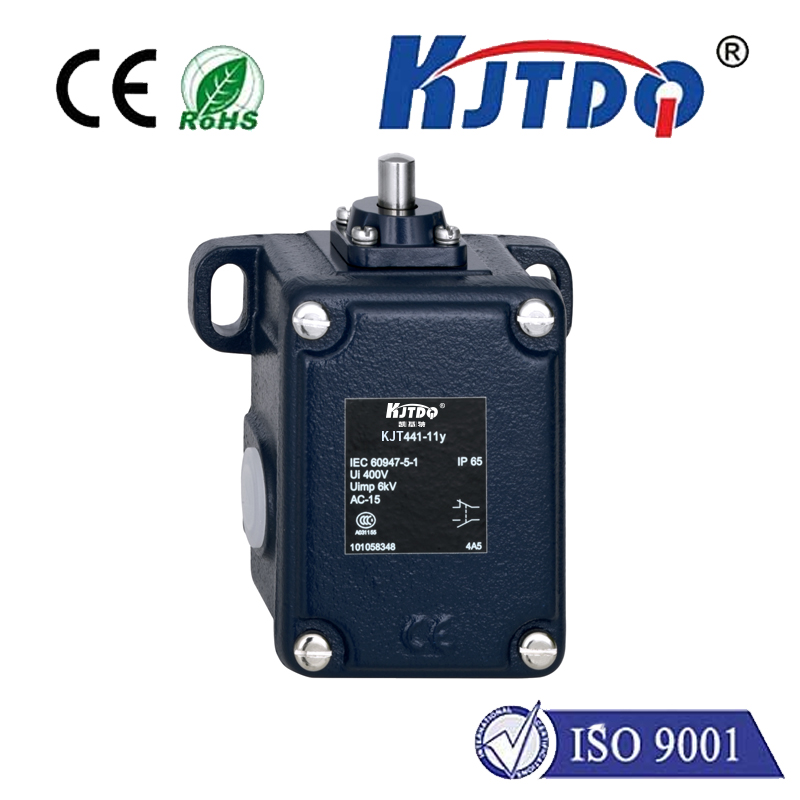
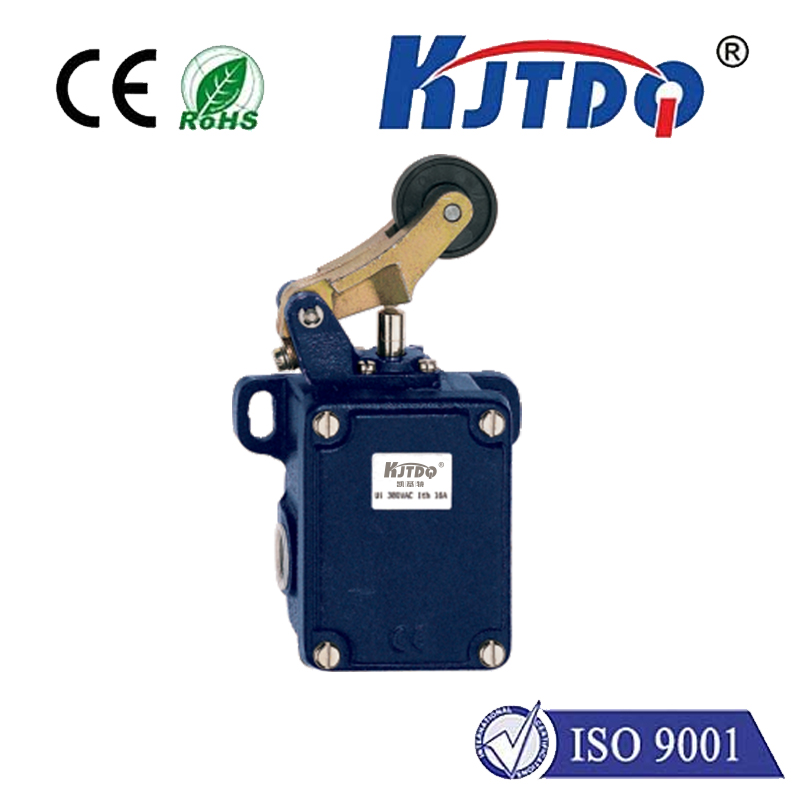
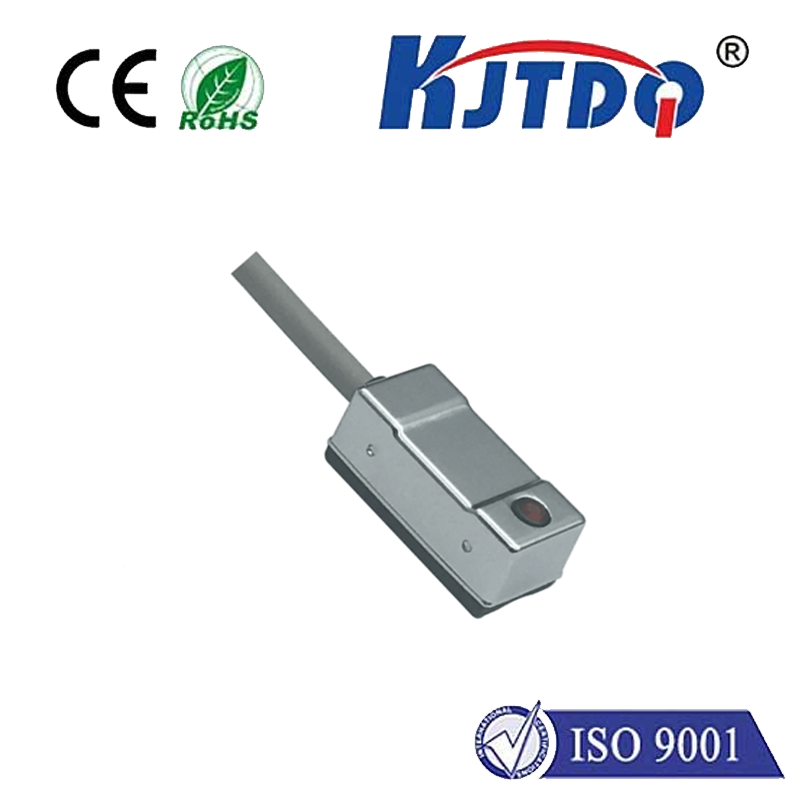
In conclusion, the temperature range is a non-negotiable specification for limit switches. It is the boundary that defines their operational integrity. By carefully matching the switch's thermal capabilities to the environmental demands of the application, engineers and maintenance professionals can build more robust, reliable, and safe control systems. The KJTDQ series of limit switches, for instance, is engineered with a focus on wide temperature tolerance, offering reliable detection and signaling even in the most thermally challenging installations, ensuring that operations continue smoothly from the deep freeze of a cold storage facility to the intense heat of a foundry floor.