check

check

check

check

check

check
In modern architectural design and industrial applications, sliding doors have become ubiquitous due to their space-saving benefits and aesthetic appeal. However, the seamless operation and, more critically, the safety of these systems hinge on a seemingly small but vital component: the limit switch. This is where KJTDQ sliding door limit switches come into play, offering precision, reliability, and enhanced control for a wide range of automated door systems.
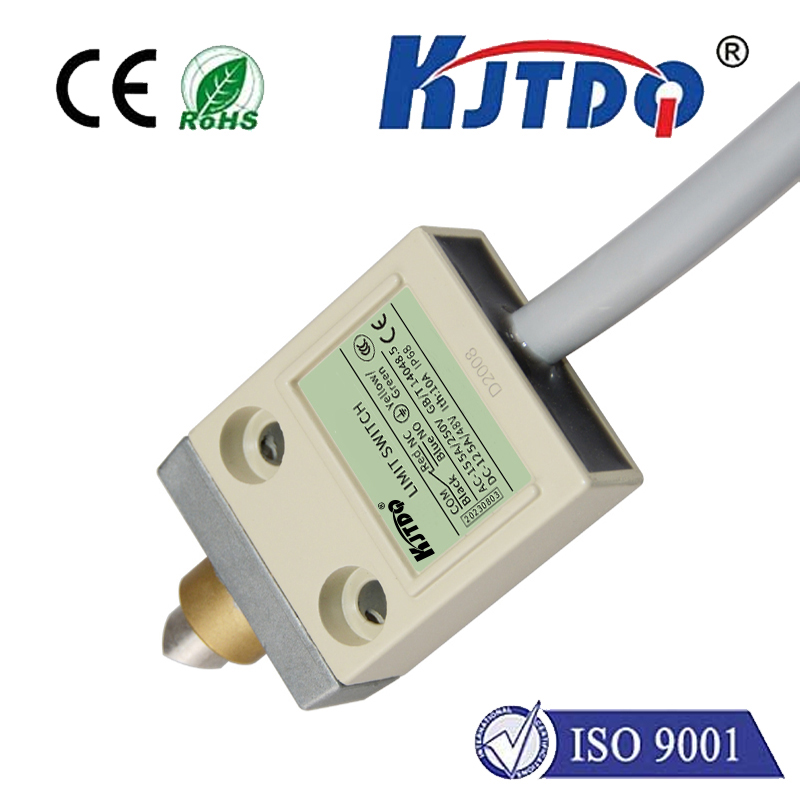
A sliding door limit switch is an electromechanical device designed to detect the presence or position of a door. It acts as a sentinel, signaling the door's motor or control system when the door has reached its fully open or fully closed position. This simple function is fundamental. It prevents the door from over-traveling, which could damage the mechanism, the door itself, or surrounding structures. More importantly, it ensures the door stops precisely where intended, a crucial factor for safety, security, and energy efficiency.
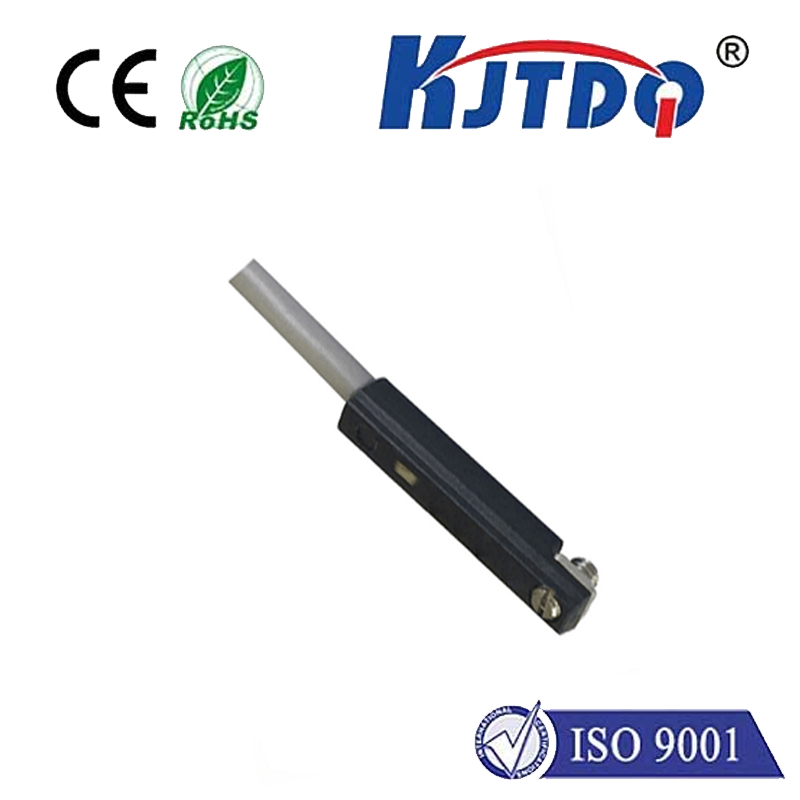
The KJTDQ series of limit switches are engineered to excel in this role. Built with durability in mind, they are constructed from robust materials capable of withstanding repeated mechanical action, environmental factors like dust, moisture, and temperature fluctuations common in both indoor and outdoor installations. Their design often incorporates a roller lever actuator, which makes consistent contact with the door or its track, providing accurate and repeatable switching action every time.
The applications for KJTDQ sliding door limit switches are extensive. In commercial settings such as supermarkets, hospitals, and airports, they ensure automatic sliding doors open and close smoothly and safely, preventing accidents and managing pedestrian flow. In industrial warehouses and loading bays, they secure large freight doors, contributing to both operational safety and climate control. Even in residential smart home systems, these switches provide the feedback necessary for integrated automation, allowing garage doors or patio sliders to interface seamlessly with home security systems.
Installation and integration are straightforward. Typically mounted on the door frame or track, the switch is positioned so that the actuator is engaged when the door is in its end positions. The electrical contacts within the switch are then wired into the door's control circuit. When the door closes and touches the switch's actuator, the internal contacts change state (e.g., from open to closed), sending a signal to the controller to cut power to the motor. The KJTDQ models are designed for easy adjustment, allowing installers to fine-tune the exact open and close points for optimal performance.
Choosing a high-quality limit switch like those from KJTDQ is an investment in long-term reliability and risk mitigation. A failure in this component can lead to malfunctioning doors—a nuisance at best and a significant safety hazard at worst. Potential issues include doors that don't close completely, compromising security and energy loss, or doors that jam and strain their motors. The robust construction and consistent performance of KJTDQ switches minimize downtime and maintenance costs.
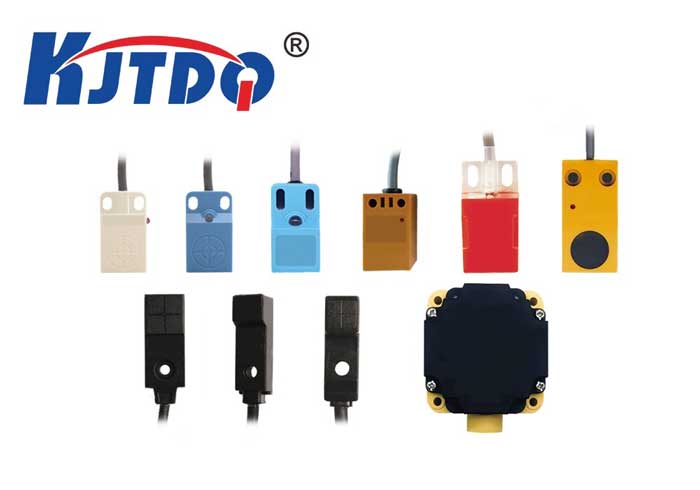
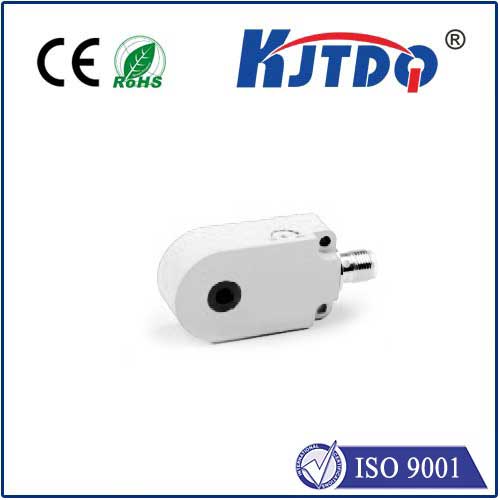
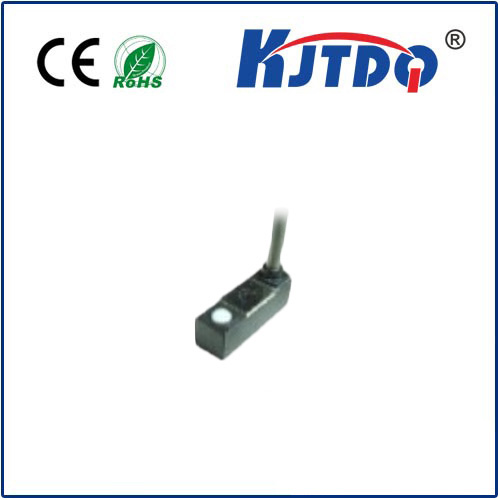
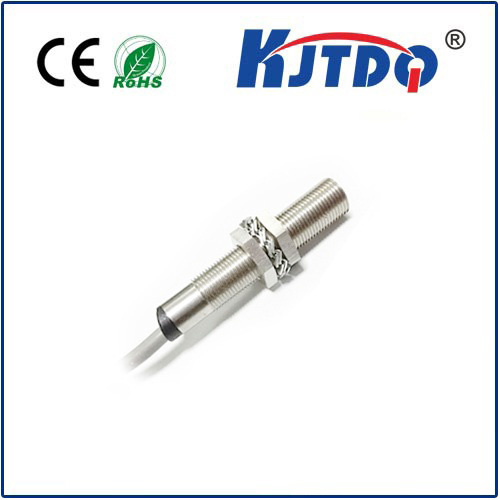
Beyond basic functionality, the evolution of limit switches includes more sophisticated features. Some KJTDQ variants may offer sealed housings for harsh environments, different actuator shapes for specific mechanical interfaces, or even proximity sensor technology for non-contact detection, further reducing wear and tear. This adaptability makes them suitable for an ever-widening array of automated door systems.
In conclusion, while often overlooked, the limit switch is the cornerstone of a safe and efficient automated sliding door system. KJTDQ provides engineered solutions that deliver the precision and durability required for demanding applications. By ensuring doors operate within their intended parameters, these switches protect equipment, enhance security, conserve energy, and most importantly, safeguard people. For architects, facility managers, and automation specialists, specifying a reliable component like a KJTDQ sliding door limit switch is a critical step in designing systems that are not only functional but fundamentally safe and dependable.