check

check

check

check

check

check
In the realm of industrial automation, precision and reliability are non-negotiable. Among the myriad of components that ensure seamless operation, the pneumatic limit switch stands out as a critical yet often understated device. This guide delves into the fundamentals, applications, and advantages of pneumatic limit switches, providing a comprehensive overview for engineers and technicians.
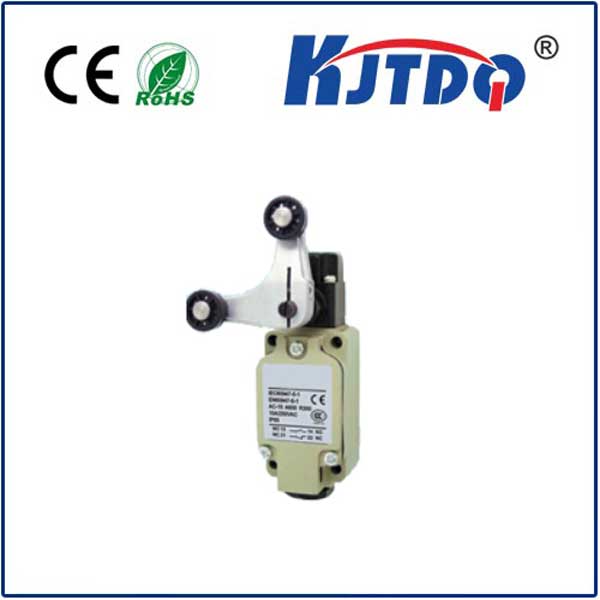
A pneumatic limit switch, fundamentally, is a sensor that detects the presence or position of an object using air pressure. Unlike its electrical counterparts, it operates purely on pneumatic energy, making it inherently safe for use in hazardous environments where sparks could pose a risk of ignition. The mechanism is straightforward: when an actuator—such as a plunger, roller, or lever—is physically displaced by a moving part in a machine, it alters the air flow within the switch. This change in pressure triggers a signal, typically by venting or pressurizing a line, which then communicates with pneumatic control systems to initiate or halt a sequence of operations.
The construction of these switches is robust, designed to withstand harsh industrial conditions including dust, moisture, and extreme temperatures. Common housing materials include stainless steel, aluminum, or engineered plastics, ensuring durability and longevity. Key internal components involve a precision valve mechanism, the actuator, and ports for air supply and signal output. Their simplicity is a virtue, leading to minimal maintenance requirements and high mean time between failures (MTBF).
Applications of pneumatic limit switches are vast and varied. They are indispensable in manufacturing assembly lines, where they verify the position of components, control the stroke of pneumatic cylinders, or act as safety interlocks on machinery guards. In the packaging industry, they ensure products are correctly aligned for sealing or labeling. Automotive plants utilize them for robotic welding and part transfer systems. Furthermore, their explosion-proof nature makes them ideal for chemical processing, mining, and grain handling facilities where combustible atmospheres are a constant concern.
One of the primary advantages of pneumatic limit switches is their intrinsic safety. By eliminating electrical components, they remove risks associated with short circuits, electromagnetic interference, and sparks. This makes them suitable for Division 1 and Division 2 hazardous locations as classified by safety standards. Additionally, they offer excellent resistance to vibration and shock, common in heavy machinery, without compromising performance. Their response time, while generally slower than electronic sensors, is more than adequate for most mechanical sequencing tasks.
When selecting a pneumatic limit switch, several factors must be considered. The operating pressure range, actuator type, port size, and mounting configuration should align with the specific application. Environmental factors like exposure to corrosive substances or washdown conditions may dictate material choices. Regular maintenance, though minimal, involves checking for air leaks, ensuring actuator freedom of movement, and cleaning external surfaces to prevent clogging.
In comparison to electronic proximity sensors or electromechanical limit switches, pneumatic versions excel in niche areas. They do not require power supplies or complex wiring, simplifying system design and reducing installation costs. Their output is a clean pneumatic signal, easily integrated into existing air logic controls or relay systems. However, for applications requiring ultra-fast response or digital communication, electronic sensors might be preferable.
The evolution of pneumatic technology continues, with modern limit switches offering enhanced features like adjustable actuation points, visual position indicators, and modular designs for easy replacement. Integration with hybrid systems that combine pneumatic and electronic controls is also becoming more prevalent, offering the best of both worlds.
In conclusion, the pneumatic limit switch remains a cornerstone of industrial automation. Its simplicity, durability, and safety profile ensure its continued relevance in diverse sectors. Understanding its operation and proper application is key to designing efficient, reliable, and safe automated systems. As industries advance, this humble component will undoubtedly adapt, maintaining its vital role on the factory floor.