check

check

check

check

check

check
In the complex and demanding world of industrial operations, maintaining precise control over equipment temperature is not merely a matter of efficiency; it is a fundamental pillar of safety and reliability. At the heart of this critical control system lies a seemingly simple yet indispensable component: the temperature limit switch. This device acts as a vigilant guardian, continuously monitoring thermal conditions and taking decisive action to prevent catastrophic failures. The KJTDQ series of temperature limit switches represents a significant advancement in this field, offering robust protection for a wide array of machinery, from electric motors and transformers to industrial ovens and HVAC systems.
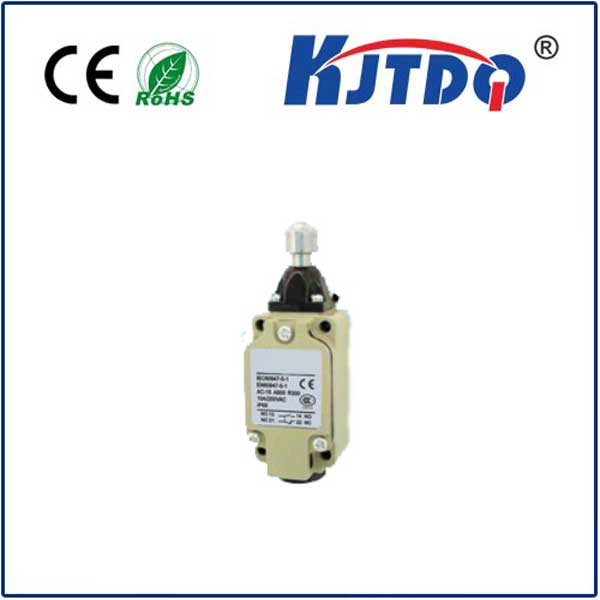
The primary function of a temperature limit switch, such as the KJTDQ model, is to automatically interrupt electrical power to a heating element or a machine when a preset temperature threshold is exceeded. This preemptive action is crucial. Without it, excessive heat can lead to insulation breakdown in motors, degradation of lubricants, deformation of mechanical parts, and in severe cases, fires or explosions. The switch operates on a straightforward principle: a temperature sensor, often a bimetallic strip or a thermocouple, detects the heat. When the temperature rises to the predetermined limit, the sensor triggers a mechanism that physically opens or closes an electrical circuit. This direct mechanical or electromechanical action ensures a fail-safe response, independent of more complex primary control systems that might malfunction.
What sets the KJTDQ temperature limit switch apart is its design tailored for durability and accuracy in harsh industrial environments. These switches are typically housed in rugged, sealed enclosures that protect internal components from dust, moisture, and corrosive agents. The calibration is precise, allowing engineers to set the trip point with confidence, knowing the switch will activate consistently at the exact temperature required for the specific application. This reliability is non-negotiable in processes where temperature deviations of even a few degrees can compromise product quality or plant safety.
Installation and integration of a KJTDQ limit switch are critical steps. It must be positioned where it can accurately sense the temperature of the component it is protecting. For instance, in an electric motor, it is often embedded in the windings. Proper installation ensures the switch responds to the true thermal state of the equipment, not just ambient conditions. Furthermore, these switches are often used in conjunction with primary temperature controllers. While the controller manages the normal operating range, the limit switch serves as an independent, overriding safety backup. This two-tiered approach creates a robust defense against thermal runaway.
The applications for the KJTDQ temperature limit switch are vast. In commercial heating systems, they prevent boilers from overheating. In manufacturing, they safeguard plastic injection molding machines and packaging equipment. Within renewable energy systems, they protect battery banks and power inverters from thermal stress. In every case, the switch provides a critical layer of protection that helps prevent costly downtime, equipment damage, and most importantly, ensures a safer workplace for personnel.
Regular testing and maintenance are essential to guarantee the ongoing reliability of any safety device, including the KJTDQ switch. Most models are designed for easy manual testing, allowing maintenance technicians to verify the trip mechanism without exposing the equipment to actual dangerous temperatures. A scheduled maintenance routine that includes checking the switch's calibration and mechanical action is a small investment that pays significant dividends in operational continuity and risk mitigation.
In conclusion, while often overlooked, the temperature limit switch is a cornerstone of industrial safety protocols. The KJTDQ series exemplifies how this essential component has evolved to meet modern challenges, offering dependable, precise, and robust thermal protection. By integrating such devices into critical equipment, industries not only protect their valuable assets but also fulfill their paramount responsibility of ensuring a safe operating environment. Specifying and maintaining a high-quality limit switch is not just an engineering decision; it is a commitment to operational excellence and safety stewardship.