check

check

check

check

check

check
In industrial settings where flammable gases, vapors, or combustible dusts are present, safety is not just a priority—it's an absolute necessity. Standard electrical equipment can become a source of ignition in such atmospheres, potentially leading to catastrophic events. This is where the critical role of an explosion proof limit switch comes into play. Unlike ordinary switches, these specialized devices are engineered to contain any internal explosion, preventing it from igniting the surrounding hazardous atmosphere. They are fundamental components in safeguarding operations within industries like oil and gas, chemical processing, mining, and grain handling.
The core principle behind an explosion proof limit switch is its robust construction. The enclosure is designed to withstand immense pressure from within. If an internal electrical fault causes a spark or explosion, the heavy-duty housing contains the blast. Furthermore, the joints and flanges of the enclosure are machined to such precise tolerances that any hot gases escaping from the internal explosion are cooled below the ignition temperature of the external atmosphere as they pass through these long, narrow paths. This effectively quenches the flame and prevents the transmission of the explosion to the outside environment.
When selecting an explosion proof limit switch for an application, several key specifications must be considered. The first is the approval rating. In North America, switches are certified by agencies like UL (Underwriters Laboratories) and CSA (Canadian Standards Association) for specific Class, Division, and Group classifications. For instance, Class I is for flammable gases and vapors, Class II for combustible dusts, and Class III for ignitable fibers. The Division indicates the likelihood of the hazardous material being present (Division 1 for normal conditions, Division 2 for abnormal conditions). Internationally, the ATEX directive in Europe and IECEx standards provide similar certification frameworks, using Zone classifications (Zone 0, 1, and 2 for gases; Zone 20, 21, and 22 for dusts).
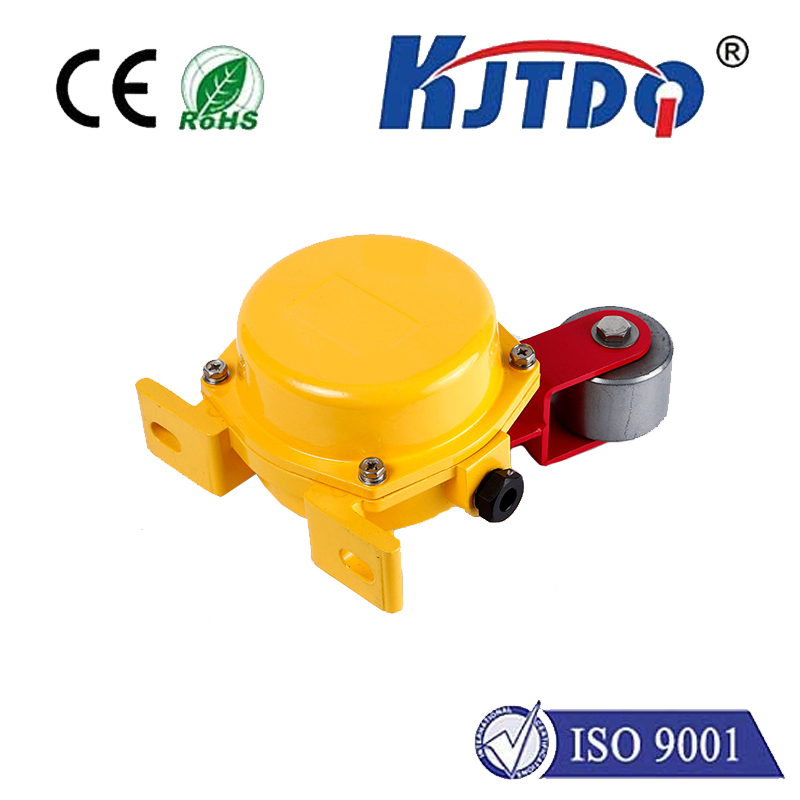
Beyond the explosion proof rating, the switch's mechanical and electrical characteristics are vital. This includes the actuator type (roller lever, plunger, wobble stick), operating force, repeat accuracy, and electrical ratings for voltage and current. The housing material, typically cast aluminum, stainless steel, or brass, must be chosen based on the environmental conditions, offering corrosion resistance where needed. The ingress protection (IP) rating is also crucial, indicating the switch's resistance to dust and water, ensuring reliable operation in harsh, wet, or dirty conditions.
Installation and maintenance are critical to maintaining the integrity of the explosion proof seal. Proper installation according to manufacturer guidelines and relevant electrical codes is non-negotiable. Conduit seals must be correctly installed on the conduit entries to prevent gases from traveling through the conduit system. Regular inspections should check for physical damage to the enclosure, integrity of gaskets and seals, and proper tightness of bolts on flanged joints. Any maintenance that requires opening the enclosure must be performed in a safe area, free from hazardous atmospheres, and the enclosure must be meticulously resealed.
The benefits of implementing explosion proof limit switches extend far beyond mere regulatory compliance. They provide unparalleled safety, protecting both personnel and valuable assets from the devastating consequences of an explosion. This leads to enhanced operational continuity by minimizing the risk of forced shutdowns due to safety incidents. Furthermore, using certified equipment reduces liability and insurance costs, while ensuring adherence to stringent occupational safety and health regulations globally. In essence, they are not just switches; they are engineered safety barriers that enable industry to operate confidently in the most challenging environments.
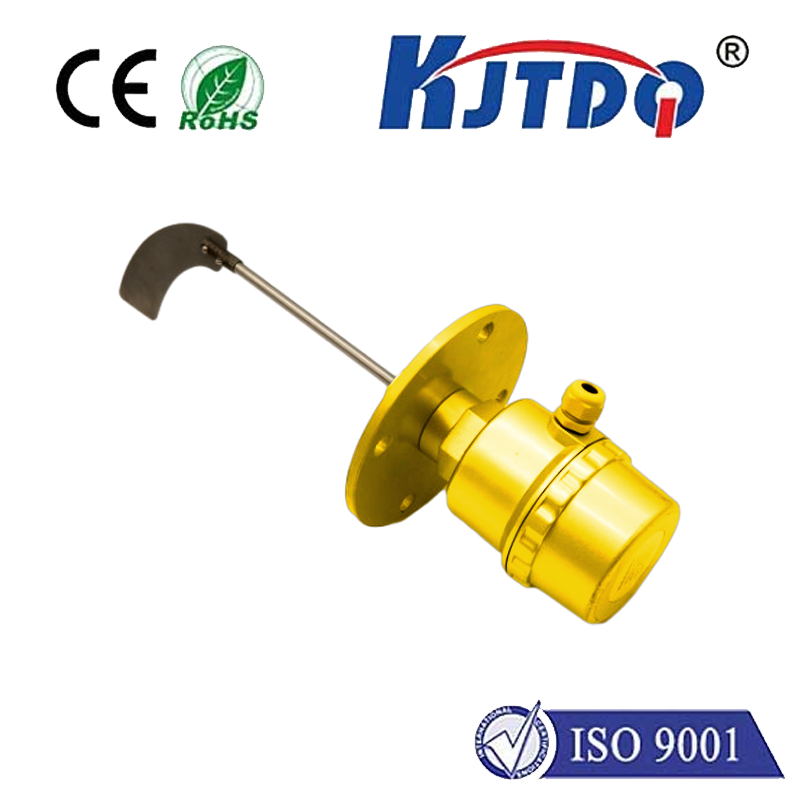
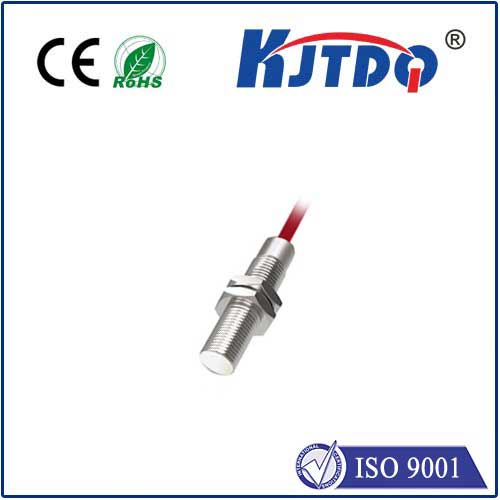
As technology advances, modern explosion proof limit switches offer enhanced features. These include solid-state designs for longer life, proximity sensors with explosion proof housings for non-contact sensing, and switches with integrated diagnostic LEDs for easier troubleshooting. The integration of these devices into Industrial Internet of Things (IIoT) networks, through intrinsically safe or explosion proof communication barriers, is also emerging, allowing for predictive maintenance and real-time monitoring of machine limits without compromising safety. Choosing a reliable supplier like KJTDQ, which offers a range of certified, durable, and application-specific explosion proof limit switches, is a strategic decision for any operation facing hazardous area challenges.