check

check

check

check

check

check
In the intricate world of industrial automation and machinery, the quest for precision, safety, and reliability is never-ending. Among the myriad of components that orchestrate the seamless operation of complex systems, one device stands out for its critical role in control and safety: the momentary limit switch. This unassuming yet powerful component is the unsung hero in countless applications, from manufacturing assembly lines to sophisticated robotic arms.
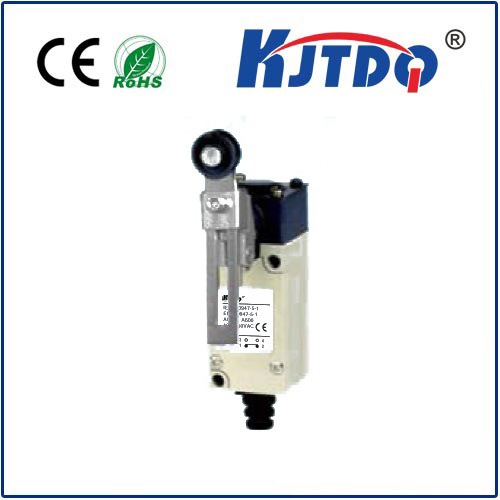
A momentary limit switch, often referred to as a momentary contact switch, is an electromechanical device designed to detect the presence or absence of an object, or to monitor the position of a machine part. Unlike maintained switches that stay in their new state, a momentary switch only makes or breaks contact while it is being actuated. It immediately returns to its default "normal" state once the actuating force is removed. This characteristic is fundamental to its operation and application.
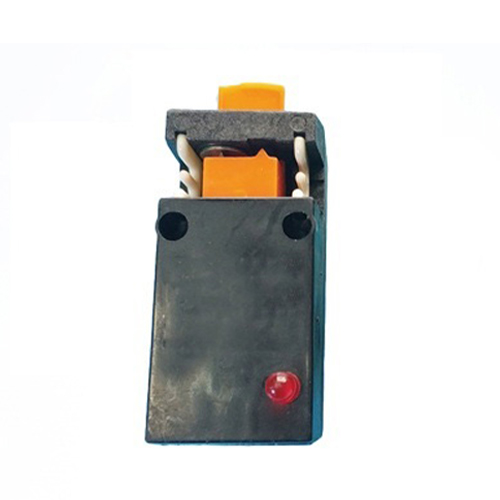
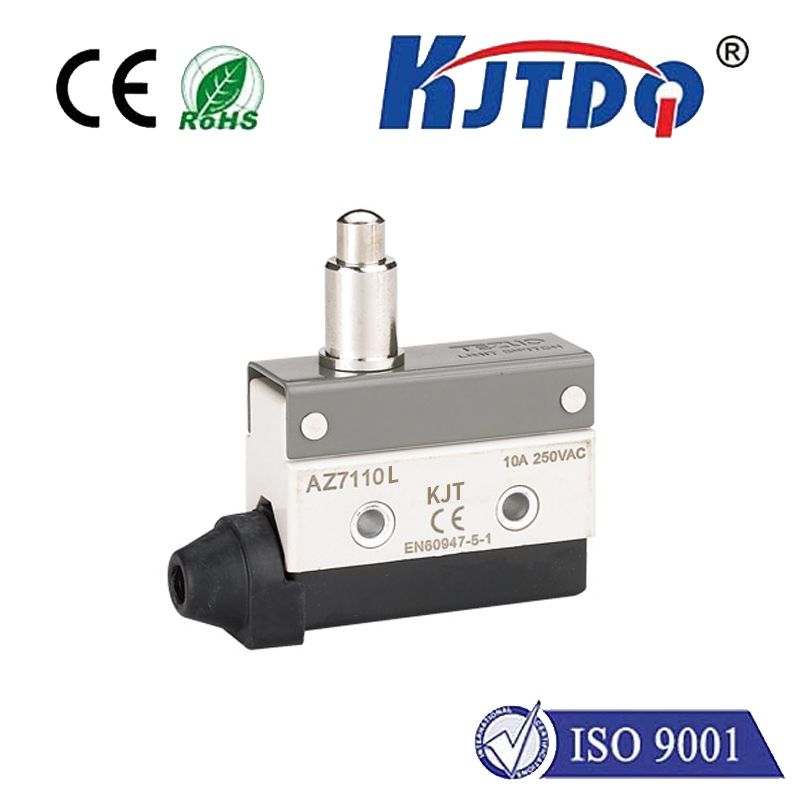
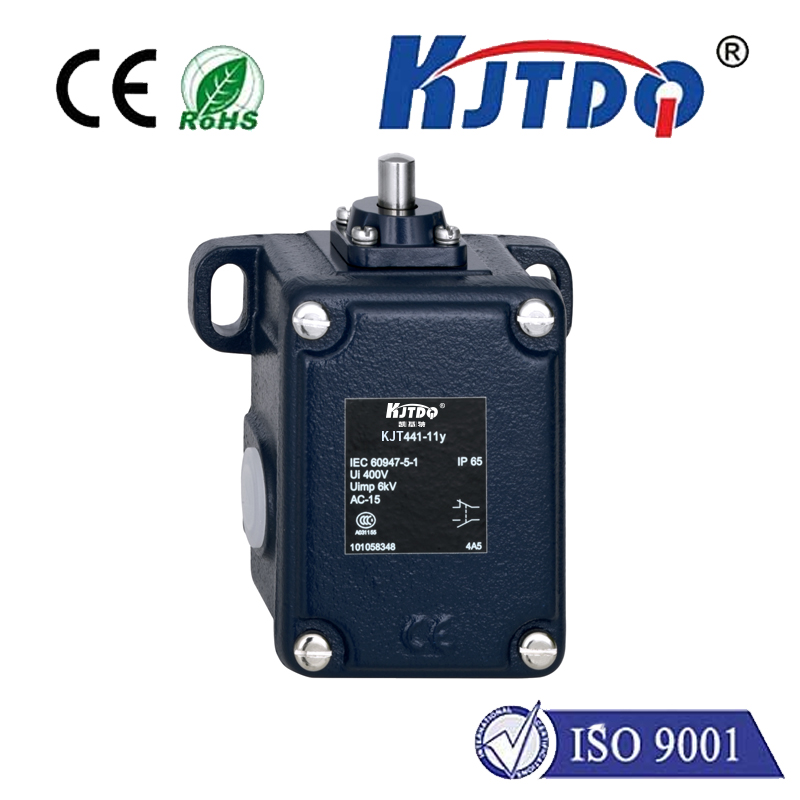
The core mechanism is elegantly simple. It typically consists of an actuator (like a lever, roller, or plunger) linked to a set of electrical contacts. When an external object contacts the actuator, it triggers the internal mechanism to momentarily change the state of the contacts—either opening a normally closed (NC) circuit or closing a normally open (NO) circuit. This instantaneous signal is then sent to the machine's control system, such as a Programmable Logic Controller (PLC), which interprets it as a command to stop, start, reverse, or initiate a new sequence.
The applications for momentary limit switches are vast and varied. In automated packaging machinery, they ensure a product is correctly positioned before sealing. On conveyor systems, they detect when an item has reached the end of a line, triggering a diverter or stopping the belt. In garage doors, they act as safety sensors to prevent the door from closing on an obstacle. Within CNC machines, they define precise home positions for cutting tools, ensuring repeatable accuracy. Their role in safety interlocking systems is paramount, preventing access to dangerous areas while equipment is in motion.
Why is the momentary function so crucial? It provides a dynamic and real-time feedback loop. The control system receives a pulse of information exactly at the moment an event occurs. This allows for highly responsive control. For instance, in a sorting system, the momentary signal from a limit switch can instantly activate a pneumatic pusher to divert a specific item, a task where even a millisecond of delay could cause a malfunction. Furthermore, the automatic return to the default state ensures the system is always ready for the next cycle and provides a clear, unambiguous signal state.
Selecting the right momentary limit switch involves several key considerations. The environment is primary. Will the switch be exposed to dust, moisture, oils, or extreme temperatures? For harsh conditions, robust models with high Ingress Protection (IP) ratings, such as IP67, are essential. The type of actuator is another critical factor. A roller lever might be ideal for sensing the edge of a passing object, while a rugged plunger might be better for direct, high-force applications. Electrical ratings (current and voltage), switching logic (NO or NC), and mechanical life expectancy (often in millions of cycles) must also match the demands of the application.
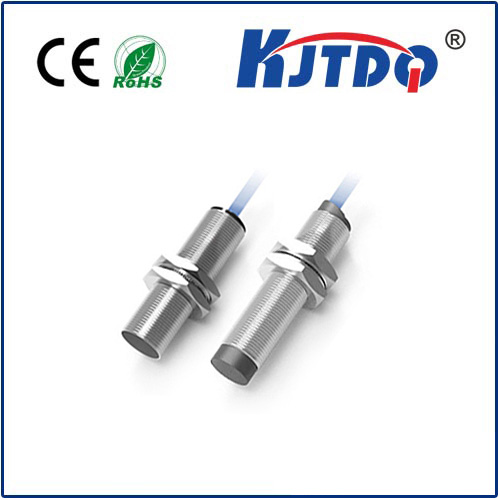
The integration of these switches into modern control architectures highlights their enduring relevance. While proximity sensors (inductive, capacitive, photoelectric) offer contactless operation, the physical, positive actuation of a mechanical limit switch remains irreplaceable in many scenarios. Its signal is definitive, often immune to the electrical noise or environmental factors that can affect solid-state sensors. It provides a tangible, mechanical confirmation that is trusted in safety-critical applications.
In conclusion, the momentary limit switch is far more than a simple on/off device. It is a precision interface between the physical movement of machinery and the digital logic of control systems. Its momentary action principle ensures timely, accurate, and reliable feedback, forming the backbone of automated sequencing, positional accuracy, and operational safety. For engineers and system designers, understanding and correctly applying this fundamental component is a key step in building efficient, safe, and dependable automated systems. Its continued evolution in materials, sealing technology, and compact design ensures it will remain a cornerstone of industrial control for the foreseeable future.