check

check

check

check

check

check
In the world of industrial automation and machinery, precision, reliability, and durability are non-negotiable. Among the myriad components that ensure seamless operations, the limit switch head stands out as a critical element for control and safety. This guide delves into the essential role of the limit switch head, its operational principles, key features, and why selecting the right one is paramount for optimizing performance across various sectors, from manufacturing and packaging to material handling and robotics.
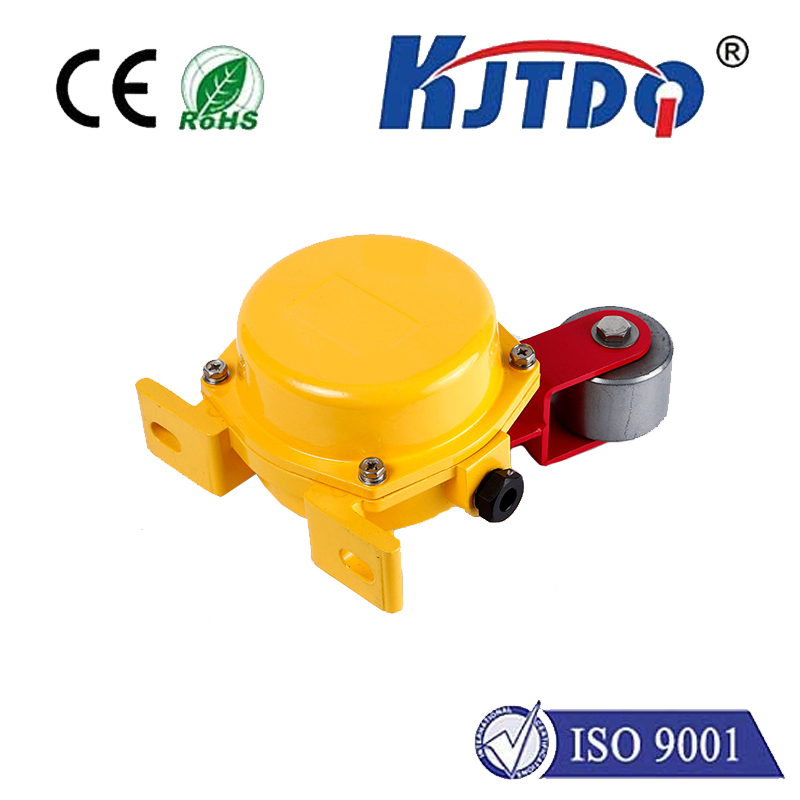
A limit switch head is the actuator component of a limit switch, a device designed to detect the presence or absence of an object or to monitor the position of machinery parts. It serves as the interface that physically interacts with the target, translating mechanical motion into an electrical signal to control a circuit. The head is typically mounted on the switch body and comes in various forms, such as lever, roller, plunger, or whisker types, each tailored for specific sensing needs and environmental conditions. The core function is straightforward: when an object contacts the actuator, it triggers the switch to change state—either opening or closing an electrical circuit—which can start, stop, or alter a machine's operation. This simple yet effective mechanism is foundational for automation, providing essential feedback for positioning, sequencing, and safety interlocks.
The importance of a high-quality limit switch head cannot be overstated. In harsh industrial environments, these components face constant exposure to factors like dust, moisture, extreme temperatures, and mechanical stress. A robust head ensures accurate detection and long-term reliability, minimizing downtime and maintenance costs. For instance, in conveyor systems, a limit switch head with a durable roller lever can reliably detect packages, ensuring smooth sorting and preventing jams. In robotic arms, precision-molded heads enable exact positioning, enhancing repeatability and efficiency. Key features to consider include the actuation force, repeat accuracy, material construction (often metal or high-grade plastic), and ingress protection (IP) ratings for resistance against environmental elements. Manufacturers like KJTDQ prioritize engineering heads that meet stringent international standards, offering options with sealed designs for washdown applications or high-temperature resistance for foundries and ovens.
Beyond basic functionality, modern limit switch heads incorporate advancements that boost performance. Innovations such as magnetic or inductive sensing in some models reduce physical wear, extending service life. Additionally, modular designs allow for easy replacement or customization, enabling quick adaptation to changing production lines. When selecting a limit switch head, factors like the operating speed, required travel distance, and load capacity must align with application demands. For example, a whisker head might be ideal for detecting fragile items with minimal force, while a heavy-duty plunger head suits high-impact scenarios in stamping presses. Proper installation and alignment are also crucial; misalignment can lead to false triggers or missed signals, compromising safety and productivity. Regular inspection for wear or damage on the actuator tip ensures consistent operation.
In summary, the limit switch head is a small but mighty component that drives industrial efficiency and safety. Its ability to provide precise mechanical-to-electrical feedback makes it indispensable in automated processes. By understanding its types, features, and selection criteria, engineers and operators can make informed choices that enhance system resilience. KJTDQ offers a range of limit switch heads designed for durability and precision, supporting industries in achieving optimal control. Investing in quality components not only safeguards machinery but also fosters a smoother, more productive operational flow, underscoring the adage that in automation, every detail counts.