check

check

check

check

check

check
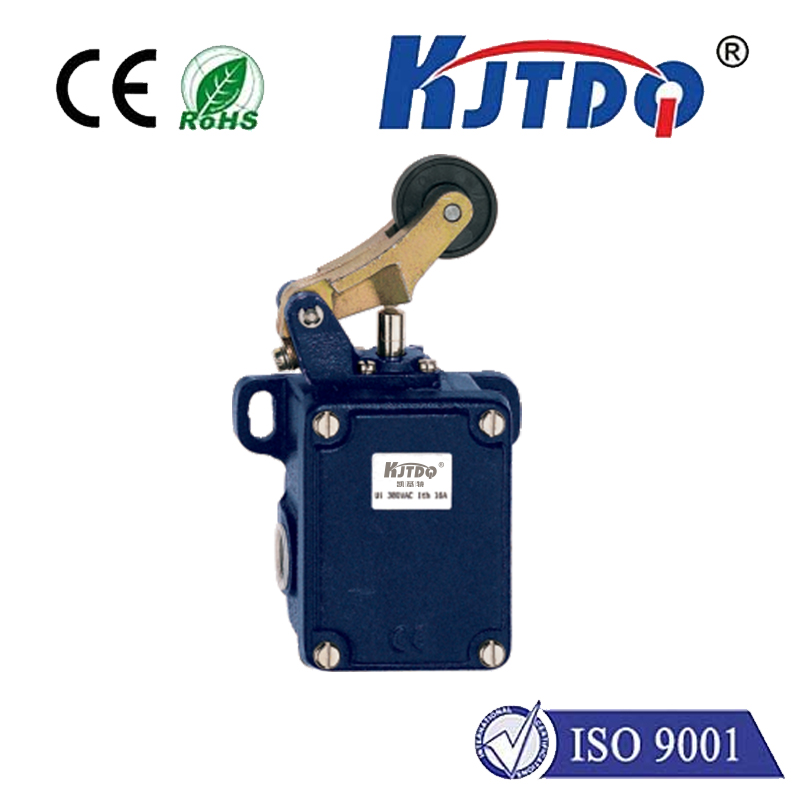
Topworx limit switches are essential components in industrial automation, providing reliable position sensing and control for valves, actuators, and other machinery. Understanding the Topworx limit switch manual is crucial for proper installation, configuration, and maintenance, ensuring optimal performance and safety in various applications. This guide offers a detailed overview of key aspects covered in the manual, helping operators and technicians maximize the functionality of these devices.
The Topworx limit switch manual typically begins with safety instructions. It emphasizes the importance of disconnecting power before installation or servicing to prevent electrical hazards. Personal protective equipment, such as gloves and safety glasses, is recommended when handling the switch. The manual also outlines environmental considerations, including temperature ranges, humidity limits, and protection ratings like IP67 for dust and water resistance, which ensure durability in harsh conditions.
Installation procedures are thoroughly explained. The manual provides step-by-step guidance on mounting the limit switch onto valve actuators or other equipment. It includes diagrams showing proper alignment of the drive shaft and actuator stem to avoid misalignment, which can cause premature wear. Torque specifications for mounting bolts are specified to prevent over-tightening or loosening during operation. Wiring instructions cover terminal connections for power supply, output signals, and grounding. For models with multiple outputs, the manual details how to connect normally open and normally closed contacts based on control system requirements.
Configuration and calibration sections are vital for setting up the switch. The manual describes how to adjust the cam mechanism inside the switch to define position points, such as fully open or fully closed valve positions. Tools like screwdrivers or hex keys may be required for adjustments. Calibration steps often involve manually moving the actuator to desired positions and setting the cams accordingly, with visual or audible indicators confirming proper setup. Some advanced Topworx models feature digital displays or potentiometers for fine-tuning, and the manual explains how to use these features to enhance precision.
Troubleshooting guidelines help address common issues. The manual lists symptoms like false signals, failure to trigger, or intermittent operation, along with potential causes such as loose wiring, worn cams, or environmental damage. Solutions might include checking connections, replacing components, or recalibrating the switch. Maintenance recommendations are also provided, including periodic inspections for debris accumulation, lubrication of moving parts, and testing of electrical continuity. These practices extend the switch’s lifespan and reduce downtime.
Applications of Topworx limit switches span industries like oil and gas, water treatment, and manufacturing. The manual often includes examples, such as using the switch to monitor valve positions in pipelines or control robotic arms in assembly lines. Compatibility with various actuators and communication protocols is highlighted, ensuring seamless integration into existing systems.
In summary, the Topworx limit switch manual serves as a comprehensive resource for users. By following its instructions, operators can ensure safe installation, accurate configuration, and efficient troubleshooting. Regular consultation of the manual supports reliable operation and compliance with industry standards, making it an indispensable tool for maintaining automation systems.