check

check

check

check

check

check
In the demanding world of industrial automation and machinery, the relentless pursuit of productivity must always be balanced with unwavering commitment to safety. This critical balance is often maintained by a seemingly simple yet profoundly important component: the overload limit switch. Far from being just another part on the assembly line, this device acts as a vigilant guardian, protecting both expensive equipment and, more importantly, human operators from the catastrophic consequences of mechanical overloads.
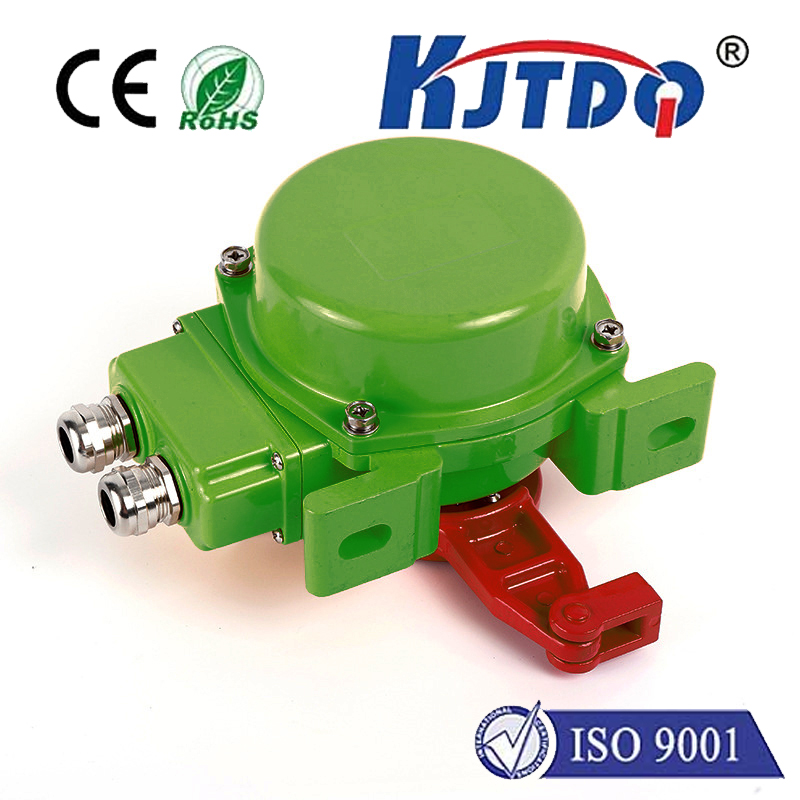
An overload limit switch is an electromechanical sensor designed to monitor the force, torque, or current in a system. Its primary function is to detect when a predetermined safe operational limit is exceeded. Upon detecting such an overload condition, the switch immediately interrupts the power circuit or sends a signal to the control system, prompting a shutdown or a corrective action. This prevents motors from burning out, gears from shearing, conveyors from breaking, and mechanical arms from causing damage or injury. The principle is straightforward: it is a fail-safe mechanism that prioritizes system integrity over continuous operation under dangerous conditions.
The applications for overload limit switches are vast and varied. They are indispensable in material handling systems, such as cranes and hoists, where they prevent lifting loads beyond safe capacity. In conveyor belts, they detect jams or blockages that could cause motor strain or belt damage. Within packaging machinery, they ensure that sealing jaws or filling stations do not exert excessive force. Machine tools, pumps, fans, and escalators all rely on these switches to operate within their designed parameters. Essentially, any rotating or linear motion system driven by an electric motor is a potential candidate for the protection offered by an overload limit switch.
Modern overload limit switches have evolved significantly from basic mechanical lever-arm designs. Today, they incorporate sophisticated technologies for greater accuracy and reliability. Electronic versions, for instance, can monitor current draw with high precision, distinguishing between harmless startup surges and genuine hazardous overloads. Some advanced models feature adjustable trip settings, allowing engineers to fine-tune the sensitivity for specific applications. Others offer built-in diagnostics, communication capabilities for integration into Industrial Internet of Things (IIoT) networks, and robust enclosures rated for harsh environments with dust, moisture, and extreme temperatures.
Selecting the right overload limit switch requires careful consideration of several factors. The type of load (torque, force, or current), the required trip point accuracy, the environmental conditions, the response speed, and the necessary electrical ratings (voltage, current) are all crucial parameters. Furthermore, the choice between a reset-after-trip automatic model and a manual reset model is strategic. Manual reset switches are often preferred in safety-critical applications as they force an operator to investigate the cause of the overload before restarting the system, preventing automatic cycling that could lead to further damage.
The return on investment for implementing reliable overload protection is clear and multifaceted. The most obvious benefit is the prevention of costly downtime caused by major equipment failures. Replacing a burned-out motor or a broken drive shaft involves not just parts costs but significant labor and production losses. Secondly, it enhances overall operational safety, reducing the risk of accidents that could harm personnel and lead to regulatory penalties or liability issues. Thirdly, by ensuring machinery runs within its optimal range, these switches contribute to longer equipment lifespan, reduced maintenance costs, and more consistent product quality.
In conclusion, the overload limit switch stands as a fundamental pillar of modern industrial safety and efficiency. It is a proactive solution to a potentially reactive and disastrous problem. For system integrators, plant managers, and maintenance engineers, specifying and maintaining high-quality overload protection is not an optional extra but a core responsibility. By choosing robust and appropriately rated switches from reputable manufacturers, industries can build more resilient operations, safeguard their assets, and protect their most valuable resource: their people. In the intricate dance of gears, motors, and automated processes, the overload limit switch is the dependable partner that ensures the music never stops for the wrong reasons.