check

check

check

check

check

check
In modern electrical systems, maintaining safe and stable operation is paramount. A critical component that plays a vital role in achieving this is the current limit switch. This device acts as a vigilant guardian, continuously monitoring the flow of electrical current within a circuit. Its primary function is to detect when the current exceeds a predetermined safe level, known as the set point or threshold. Upon detecting such an overcurrent condition, the switch activates, performing a crucial protective action. This action typically involves opening the circuit, thereby interrupting the power flow completely, or in some configurations, triggering an alarm or sending a signal to a control system.
The importance of this function cannot be overstated. Electrical overloads can occur due to various reasons such as equipment failure, short circuits, or unexpected surges in demand. Without intervention, excessive current generates intense heat, which can lead to catastrophic outcomes. These include damage to sensitive electronic components, insulation breakdown in wiring, and in severe cases, electrical fires. By swiftly disconnecting the power supply at the precise moment an overload is detected, the current limit switch prevents thermal damage and safeguards both the electrical infrastructure and connected devices. This proactive protection extends the operational lifespan of motors, transformers, and other costly equipment, reducing downtime and maintenance costs.
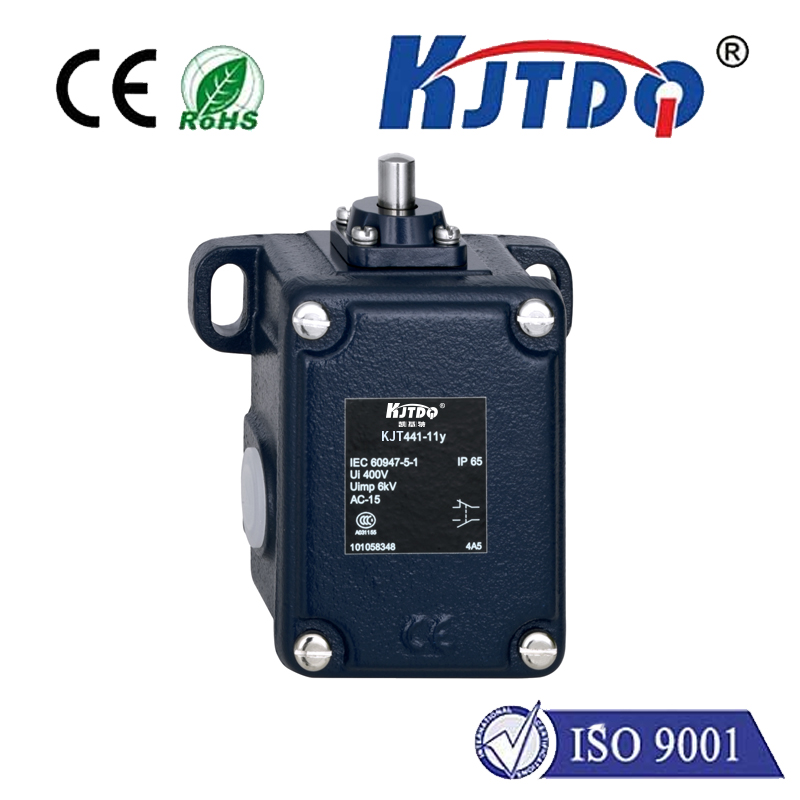
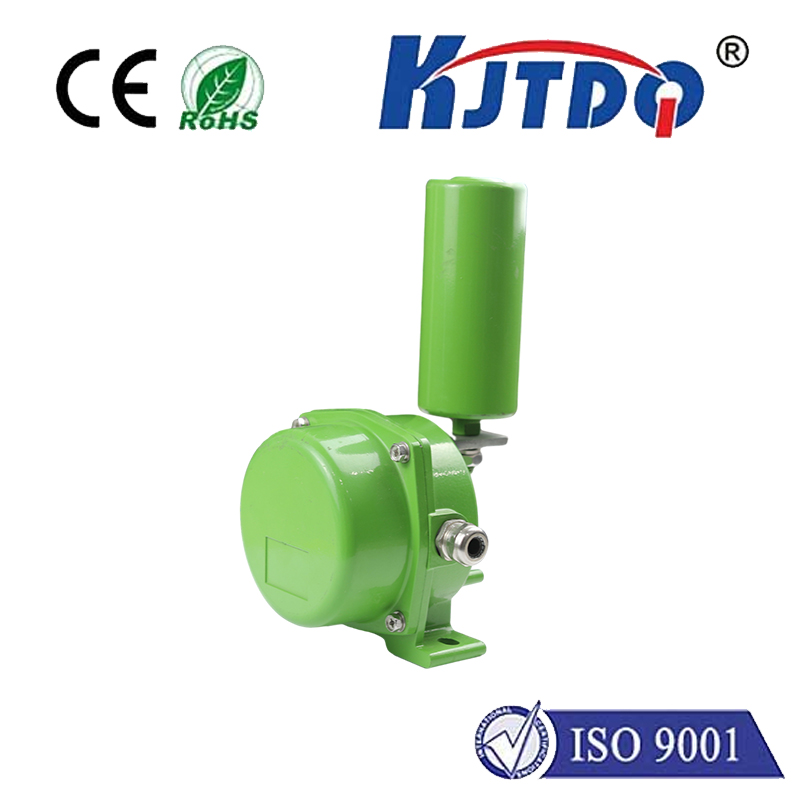
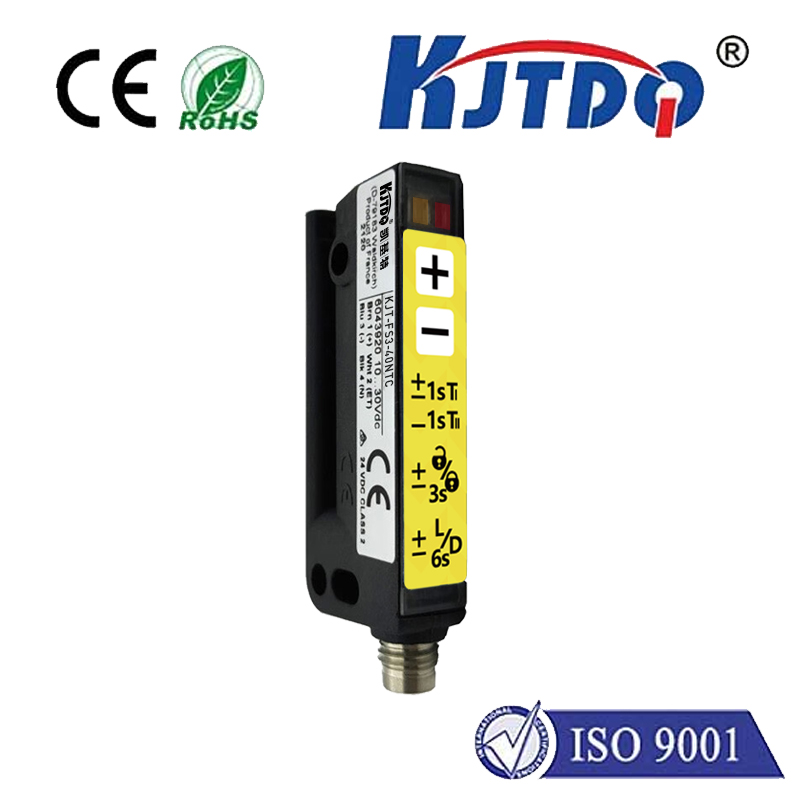
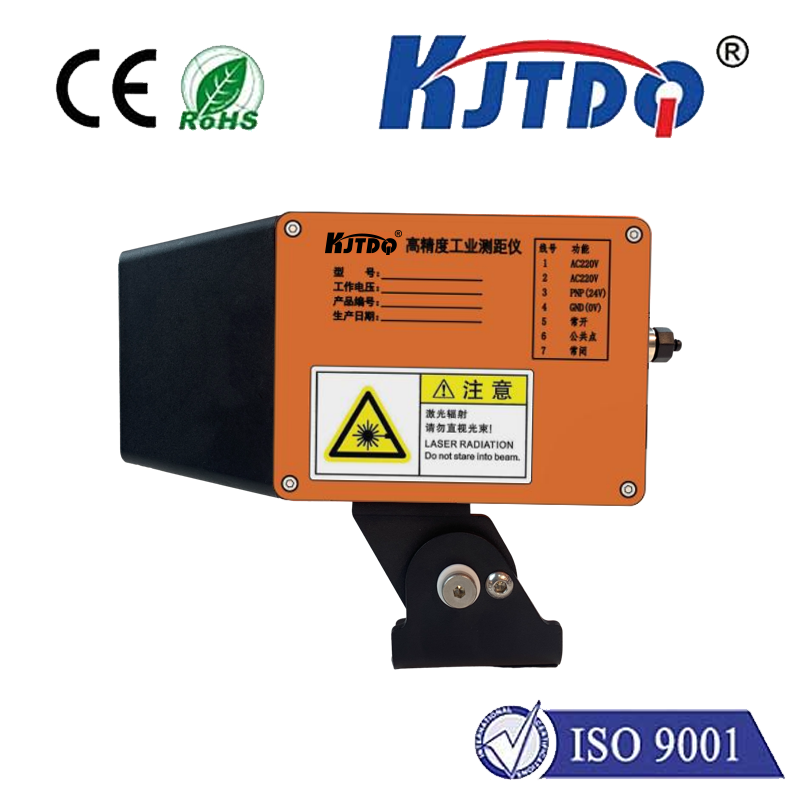
The KJTDQ series of current limit switches represents a significant advancement in this field of circuit protection. Engineered for precision and durability, these switches are designed to meet the rigorous demands of industrial and commercial applications. A key feature of the KJTDQ design is its high accuracy in current sensing. Utilizing reliable sensing mechanisms, it ensures that the trip point is consistent, minimizing nuisance tripping while guaranteeing protection when truly needed. This reliability is crucial in environments where system stability is essential.
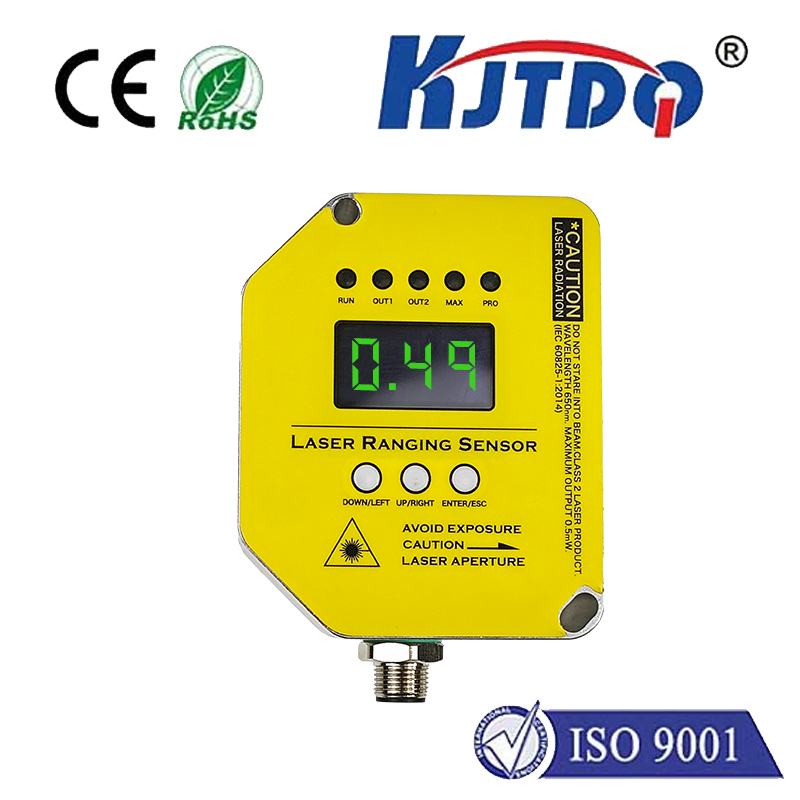
Furthermore, the KJTDQ switch is built with robustness in mind. Its housing is often constructed from materials resistant to dust, moisture, and vibration, making it suitable for challenging installation environments, from factory floors to outdoor electrical panels. Many models offer adjustable current settings, providing flexibility for engineers to configure the protection parameters according to the specific requirements of different circuits or machines. This adjustability, combined with a clear visual indicator for trip status, simplifies installation, testing, and troubleshooting processes.
The applications for a reliable current limit switch like the KJTDQ are extensive. In industrial automation, they protect motor drives and conveyor systems from stalling or jamming, which can cause current spikes. Within power distribution units, they serve as an essential layer of defense for branch circuits. They are equally important in renewable energy systems, such as solar inverters, and in telecommunications infrastructure, protecting sensitive server and networking equipment from power anomalies. Essentially, anywhere electricity is used to power critical processes, the current limit switch serves as an indispensable safety sentinel.
Choosing the right current limit switch involves considering several factors. The rated operational current and voltage of the protected circuit are the primary specifications. The response time, or how quickly the switch acts after an overload is detected, is another critical parameter, especially for protecting semiconductor devices. Environmental conditions like ambient temperature and the presence of corrosive elements also influence the selection of an appropriately rated enclosure. The KJTDQ series is developed with these considerations at the forefront, offering a range of models to cater to diverse technical requirements.
In conclusion, the current limit switch is a fundamental element for electrical safety and equipment longevity. It moves beyond being a simple component to become an intelligent protector embedded within the electrical system. The KJTDQ series exemplifies this role through its precise operation, durable construction, and adaptable design. By integrating such a device, system designers and facility managers can significantly enhance the reliability of their electrical installations, prevent costly damage, and ensure a safer operational environment. Investing in quality circuit protection, embodied by devices like the KJTDQ current limit switch, is not merely an operational expense but a strategic decision for sustainable and secure electrical management.