check

check

check

check

check

check
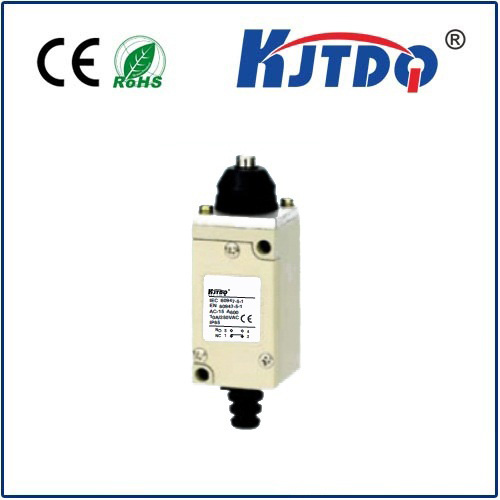
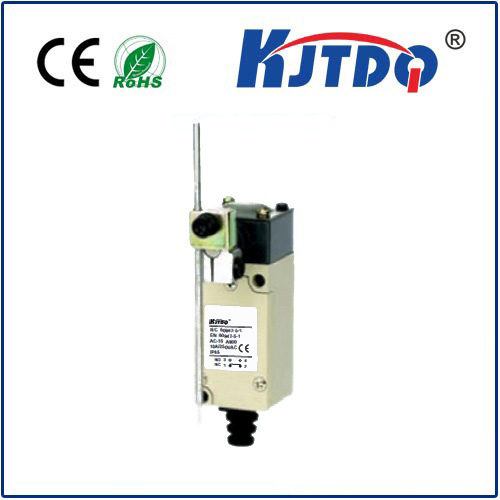
In the intricate world of industrial automation, where precision and reliability are non-negotiable, the limit switch lever arm stands as a fundamental yet often underappreciated component. This critical actuator interface plays a pivotal role in converting mechanical motion into a definitive electrical signal, ensuring machinery operates within safe and predefined parameters. The lever arm, essentially the "feeler" or "actuator" of a limit switch, is the first point of physical contact with a moving part, making its design and selection paramount for system integrity.
The primary function of a limit switch lever arm is to translate a specific type of mechanical movement—be it linear, rotary, or angular—into the precise actuation of the switch's internal mechanism. When a machine part, such as a gate, conveyor, or robotic arm, makes contact with the lever, it triggers the switch to either open or close an electrical circuit. This simple action can initiate a sequence of critical operations: stopping a motor, changing direction, initiating a new cycle, or sending a status signal to a programmable logic controller (PLC). Without a properly specified lever arm, the limit switch may fail to actuate at the correct moment, leading to machine malfunctions, production downtime, or even safety hazards.
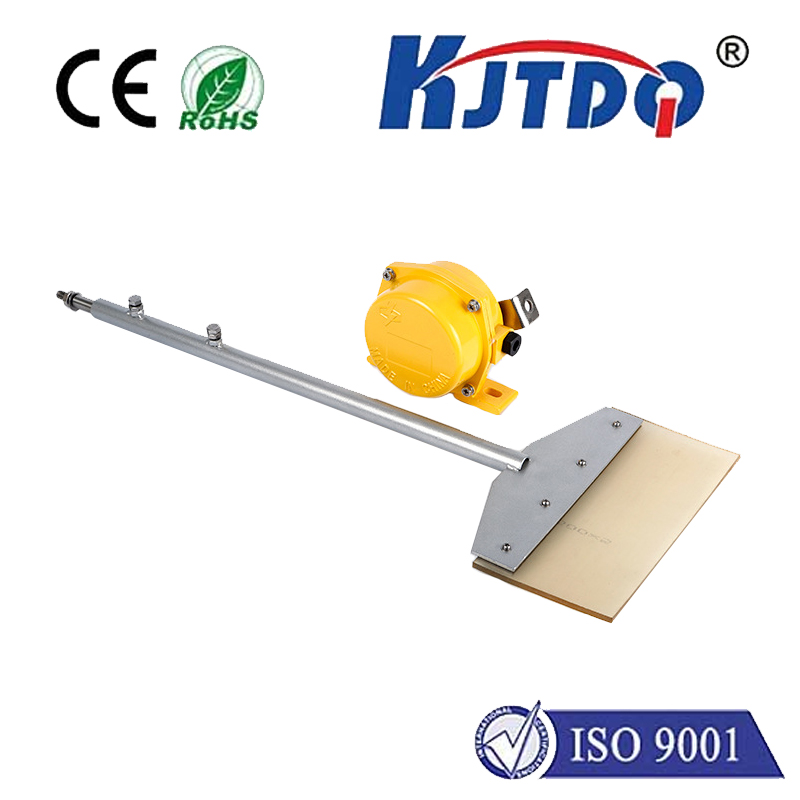
Selecting the right lever arm involves a careful analysis of several application-specific factors. The operating environment is crucial; in harsh conditions with dust, moisture, or corrosive agents, stainless steel or specially coated lever arms are essential for longevity. The type of motion dictates the arm's shape and pivot style. Standard straight levers are common, but roller lever arms are ideal for applications involving sliding or cam-driven motions, reducing wear and friction. Adjustable lever arms offer flexibility in setting the exact actuation point, while wobble sticks or whisker levers are perfect for detecting objects from multiple directions in confined spaces. The mechanical requirements, including the required operating force, reset force, and overtravel capacity, must align with the lever arm's specifications to prevent premature failure.
The material and construction quality of the lever arm directly impact the switch's lifecycle and reliability. High-grade materials ensure the arm can withstand repeated impacts and environmental stress without deforming. Furthermore, the connection point between the lever arm and the switch body must be robust to maintain precise alignment over millions of cycles. A bent or loose lever arm will result in inconsistent actuation, undermining the entire control system's accuracy.
Integration of a well-chosen limit switch lever arm enhances overall system safety and efficiency. In automated packaging lines, for instance, a roller lever arm accurately detects the position of a product, ensuring precise cutting or sealing. In material handling, it can confirm the open or closed status of a hopper gate. By providing a reliable physical feedback signal, it forms a vital link in the safety interlock chain, helping to protect both equipment and personnel.
Maintenance is straightforward but essential. Regular inspection for physical damage, wear on the roller, and secure mounting can prevent unexpected failures. Keeping the pivot point clean and, if applicable, lightly lubricated according to the manufacturer's guidelines ensures smooth operation.
In conclusion, the limit switch lever arm is far more than a simple metal rod; it is a precision interface engineered for dependable performance. Its correct selection and maintenance are foundational to achieving the seamless, safe, and efficient operation demanded by modern industrial automation systems. Investing time in understanding its role and specifications pays dividends in reduced downtime and enhanced operational control.