check

check

check

check

check

check
In the intricate world of vertical transportation, safety and precision are non-negotiable. At the heart of every reliable elevator system lies a seemingly simple yet profoundly critical component: the limit switch. These devices are the unsung guardians, ensuring that an elevator car travels only within its designated safe path, preventing over-travel at the top and bottom of the shaft and defining precise stopping points. Understanding the function and importance of limit switches is key to appreciating the seamless operation of modern elevators.
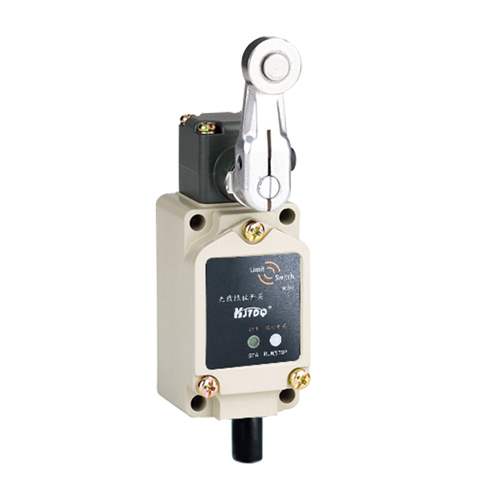
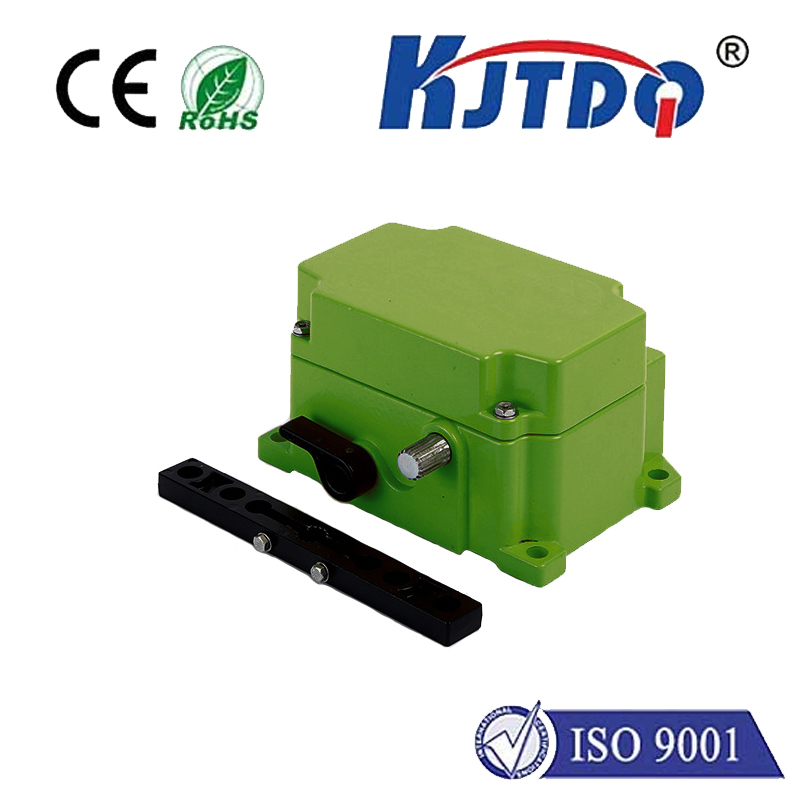
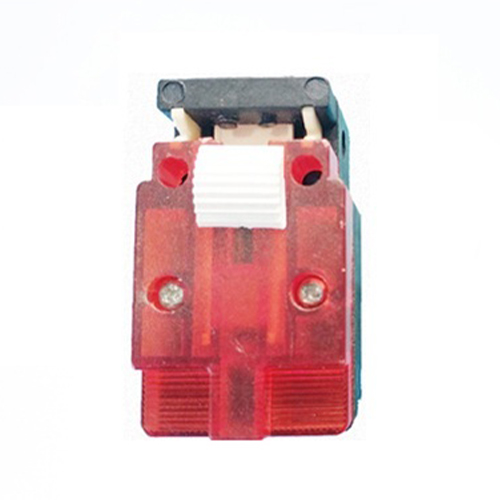
A limit switch in an elevator is an electromechanical device designed to detect the presence or absence of an object, in this case, the elevator car, and to interrupt the power circuit to the drive motor at predetermined locations. It acts as a final, physical safety backup to the primary electronic control system. The fundamental principle is straightforward: when the elevator car reaches a specific point in its travel, it mechanically actuates a lever or roller on the switch. This action changes the state of the switch's electrical contacts, sending a signal to the control system to halt movement.
There are typically several types of limit switches employed in a standard elevator installation. The most crucial are the upper and lower final limit switches. These are the last line of defense. If the elevator fails to stop at its normal terminal floors due to a control system fault, these switches will cut power directly to the motor and apply the safety brake, bringing the car to an abrupt but safe stop before it can collide with the overhead or pit structures. Operating these switches often requires manual reset by a qualified technician, ensuring the fault is investigated.
Beyond the final limits, other switches govern normal operation. Re-leveling switches help the car make minor adjustments to align perfectly with a floor landing, compensating for changes in rope stretch or passenger load. Door zone switches ensure the car is correctly positioned before the doors are permitted to open. Speed monitoring switches may be used in conjunction with governors to detect overspeed conditions. Each plays a specialized role in the choreography of a smooth ride.
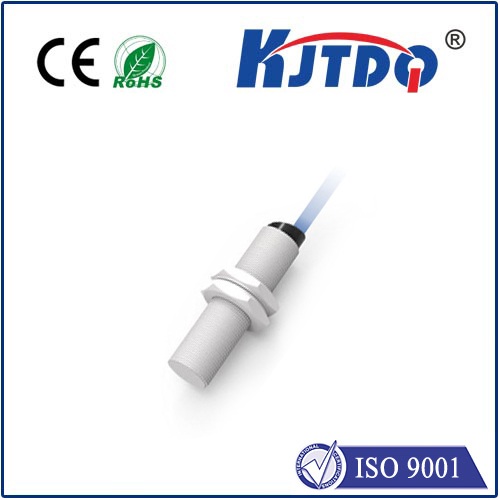
The reliability of these switches is paramount. They are built to withstand millions of mechanical cycles, dust, temperature variations, and slight vibrations. Modern designs may incorporate sealed, solid-state "proximity" sensors in some applications, which perform a similar function without physical contact, using magnetic or inductive fields. However, traditional mechanical limit switches remain widely valued for their simplicity, fail-safe nature, and ease of diagnosis.
Regular maintenance and testing of all limit switches are mandated by safety codes worldwide. Technicians routinely verify their proper alignment, mechanical action, and electrical continuity. A malfunctioning or misadjusted limit switch can lead to nuisance stops, improper leveling, or, in a worst-case scenario, compromise the final safety backup. This makes their inspection a cornerstone of any preventive maintenance program.
For building owners, facility managers, and elevator service companies, specifying high-quality limit switches from reputable manufacturers is a direct investment in passenger safety and system uptime. Inferior components can lead to increased service calls and potential safety hazards. When a limit switch is replaced, it is crucial to use an OEM-equivalent or certified part to ensure compatibility and performance.
In conclusion, while passengers only experience the result—a smooth, accurate stop at their desired floor—the limit switch is a fundamental enabler of that experience. It is a perfect example of robust engineering where mechanical simplicity meets critical safety function. From preventing catastrophic over-travel to enabling perfect floor alignment, the limit switch remains an indispensable component in the elevator's control and safety ecosystem, quietly ensuring every journey begins and ends with certainty and security.