check

check

check

check

check

check
In the world of industrial automation, precision and durability are non-negotiable. Among the myriad components that ensure seamless operations, the metal limit switch stands out as a fundamental workhorse. This device, often overlooked, plays a critical role in controlling machinery, ensuring safety, and maintaining efficiency. Unlike its plastic counterparts, a metal limit switch offers unparalleled robustness, making it the preferred choice for harsh environments where factors like extreme temperatures, moisture, dust, and physical impact are constant challenges.
The primary function of a metal limit switch is to detect the presence or absence of an object, or to monitor the position of a machine part. It acts as a sentinel, sending an electrical signal to a control system when a predetermined limit is reached. This simple yet vital action can trigger a sequence of events—stopping a conveyor belt, reversing a motor, activating an alarm, or initiating the next step in a manufacturing process. The reliability of this signal is paramount; any failure can lead to costly downtime, product defects, or even workplace accidents. This is where the construction of the switch becomes crucial.
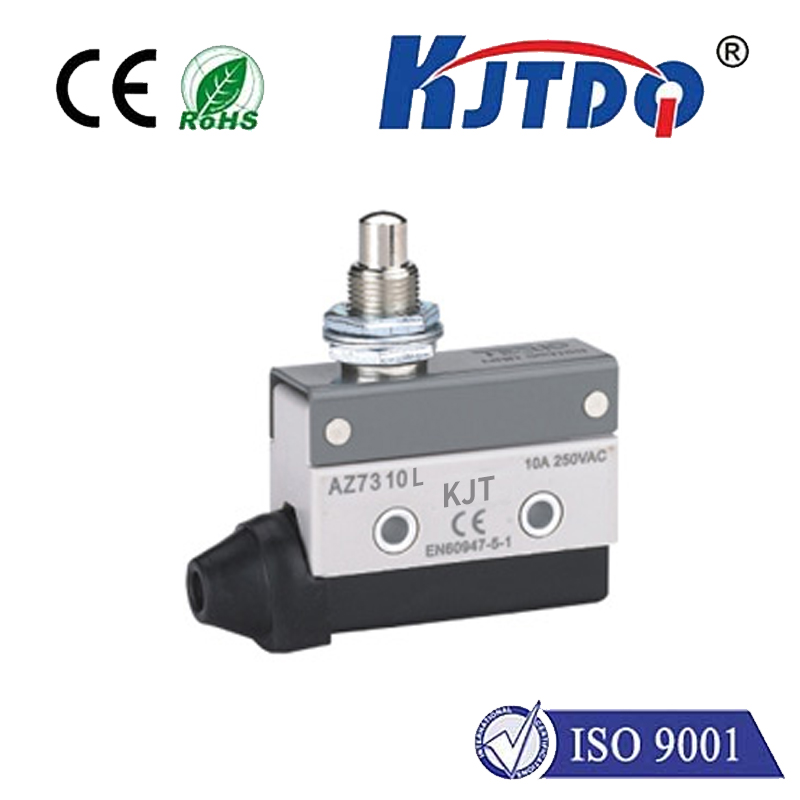
Constructed from materials such as stainless steel, aluminum, or zinc alloy, metal limit switches are engineered to withstand rigorous conditions. The housing provides excellent protection against corrosion, ingress of liquids and solids (often rated with IP67 or higher ingress protection codes), and mechanical stress. The internal mechanism, typically involving a sturdy actuator lever and a precise snap-action switch, is designed for millions of cycles. This longevity translates directly into reduced maintenance costs and higher overall equipment effectiveness (OEE).
When selecting a metal limit switch for an application, several key specifications must be considered. The electrical rating, including voltage and current capacity, must match the control circuit. The type of actuator—whether roller lever, plunger, or rotary—depends on the nature of the motion to be detected. Environmental ratings for temperature range, shock, and vibration resistance are also critical. Furthermore, industry-specific certifications, such as those for hazardous locations (e.g., ATEX, IECEx), may be necessary for use in oil and gas, mining, or chemical processing plants.
Installation and proper configuration are equally important. The switch must be mounted securely to avoid misalignment due to vibration. The actuator must be positioned so that it engages reliably with the target object or machine part without excessive force that could cause premature wear. Regular inspection is recommended to check for signs of physical damage, wear on the actuator head, and integrity of the electrical connections. A proactive maintenance schedule ensures the switch continues to perform its duty cycle after cycle.
In modern automated systems, metal limit switches often integrate with programmable logic controllers (PLCs) and sensors to form a comprehensive control network. While advanced sensor technologies like proximity sensors and photoelectric sensors offer contactless operation, the physical, positive actuation of a mechanical limit switch remains irreplaceable in many scenarios. Its simplicity provides a fail-safe backup or a primary control method where absolute positional certainty is required. The tactile feedback and audible click of a limit switch engaging can also be valuable for manual troubleshooting by technicians.
From automotive assembly lines and packaging machinery to heavy-duty crane systems and agricultural equipment, the applications are vast. In a steel mill, for instance, metal limit switches monitor the position of rolling mill doors and cranes, enduring high heat and particulate matter. On a bottling line, they ensure containers are correctly positioned for filling and capping, resisting frequent washdowns with corrosive cleaning agents.
Ultimately, the choice of a metal limit switch is an investment in system resilience. It represents a commitment to minimizing unplanned stoppages and protecting both personnel and capital equipment. By understanding its principles, specifications, and application requirements, engineers and maintenance professionals can leverage this robust component to build more reliable, efficient, and safe automated processes. The humble metal limit switch, a testament to enduring mechanical design, continues to be a cornerstone of industrial automation, proving that sometimes the most effective solutions are those built to last.