check

check

check

check

check

check
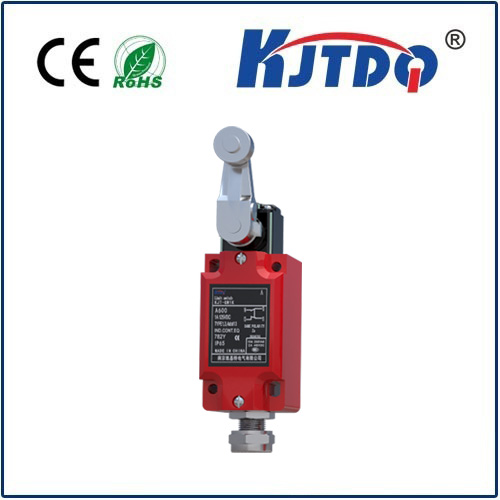
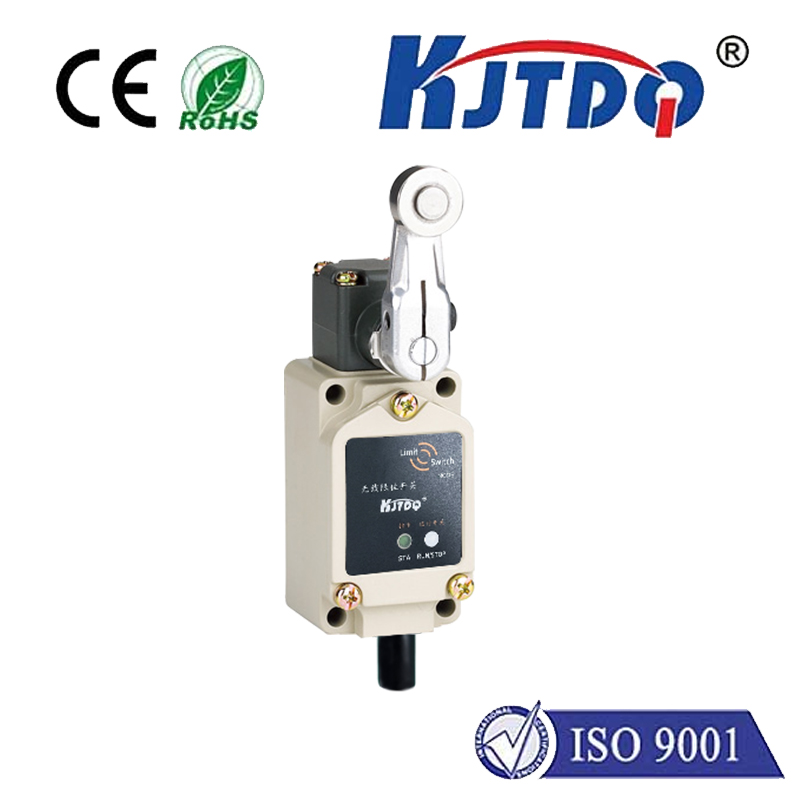
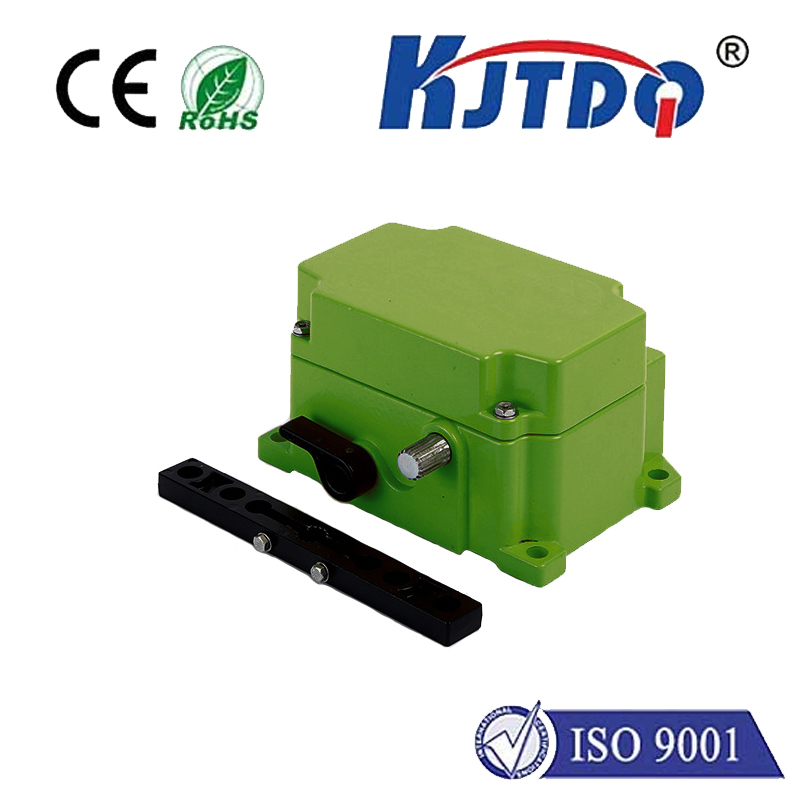
In the complex world of industrial automation, where precision and reliability are non-negotiable, the Bohmen limit switch stands as a critical component for countless control systems. These electromechanical devices are engineered to detect the presence or absence of an object, or to monitor positional limits, thereby providing essential feedback to programmable logic controllers (PLCs) and other control units. The operational principle is elegantly straightforward: a physical actuator, such as a lever, roller, or plunger, is mechanically moved by the target object. This movement triggers an internal snap-action mechanism that rapidly opens or closes electrical contacts within the switch, sending a clear "on" or "off" signal to the control system. This simple yet robust action forms the backbone of safety interlocks, sequencing operations, and repetitive positioning tasks across diverse industries.
The design and construction of a high-quality Bohmen limit switch are what set it apart in demanding environments. Key features often include a rugged, sealed housing typically crafted from metals like zinc alloy or stainless steel, providing exceptional resistance to impact, vibration, and corrosive elements such as oils, coolants, and dust. The ingress protection (IP) rating is a crucial specification; many models boast ratings of IP67 or higher, ensuring full functionality even when exposed to temporary immersion or high-pressure washdowns. Internally, the precision-molded contacts, often made from silver alloy, are designed for millions of reliable cycles, minimizing downtime and maintenance costs. The actuator type is selected based on the application—a roller lever for cam-driven machinery, a top-push plunger for vertical actuation, or a rotary lever for applications with limited space.
The applications for Bohmen limit switches are virtually limitless. In automotive manufacturing, they are indispensable for verifying the correct positioning of robotic arms in welding and assembly stations. Within material handling and packaging lines, they ensure that conveyor belts stop and start at exact locations, guaranteeing proper product placement and sorting. In the heavy machinery sector, these switches act as critical safety devices, preventing crane hooks from over-traveling or press brakes from operating without the workpiece in the correct position. Their role extends to elevator control systems, where they confirm door closure and floor alignment, and to agricultural equipment, where they monitor the position of implements. The versatility of the standard mechanical limit switch, especially from a trusted name like Bohmen, makes it a preferred choice over more complex and costly proximity sensors in applications where physical contact is acceptable or even desirable for its positive actuation feedback.
Selecting the right Bohmen limit switch requires careful consideration of several technical parameters. The electrical rating, including voltage (AC/DC) and current capacity, must match the control circuit's requirements. The operating force and travel differential (the difference between the actuation and release points) are vital for ensuring consistent triggering. Environmental factors are paramount; one must consider the ambient temperature range, potential exposure to chemicals, and the need for hazardous location certifications like ATEX for explosive atmospheres. Furthermore, the mechanical life expectancy, often rated in millions of operations, should align with the machine's duty cycle. Proper installation is equally critical. Switches must be securely mounted to prevent misalignment, and actuators should be positioned so that the target object engages them squarely to avoid sideloading, which can cause premature wear. Regular inspection for physical damage, loose connections, and the integrity of sealing gaskets forms the core of a proactive maintenance routine, ensuring long-term, trouble-free service.
While modern automation increasingly incorporates non-contact sensors like inductives, photoelectrics, and encoders, the electromechanical Bohmen limit switch retains a dominant position in the market. Its advantages are clear: simplicity of design leads to ease of understanding, installation, and troubleshooting. It provides a direct, electrically isolated signal without the need for separate amplifiers or complex wiring in many cases. It is also inherently immune to the electrical noise that can plague some solid-state sensors. For engineers and maintenance technicians, the tactile and audible confirmation of a limit switch actuating is an immediate diagnostic tool. In conclusion, for applications demanding proven reliability, physical durability, and straightforward functionality under tough conditions, the Bohmen limit switch remains an irreplaceable workhorse. It is a fundamental building block that ensures machines operate safely, efficiently, and as programmed, safeguarding both productivity and personnel in the modern industrial landscape.