check

check

check

check

check

check
In industrial automation and control systems, precision and reliability are paramount. Among the many components that ensure seamless operations, the latching limit switch stands out as a critical device for safety and efficiency. This article delves into the fundamentals, applications, and benefits of latching limit switches, providing insights for engineers and technicians seeking robust solutions.
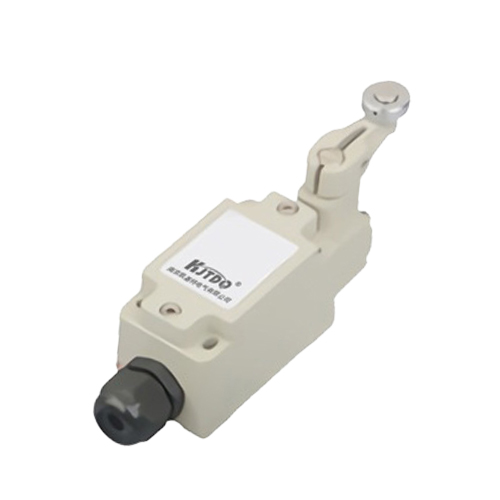
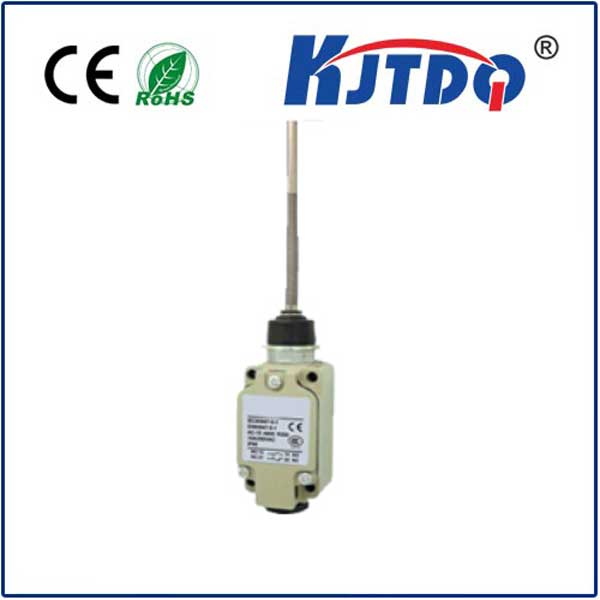
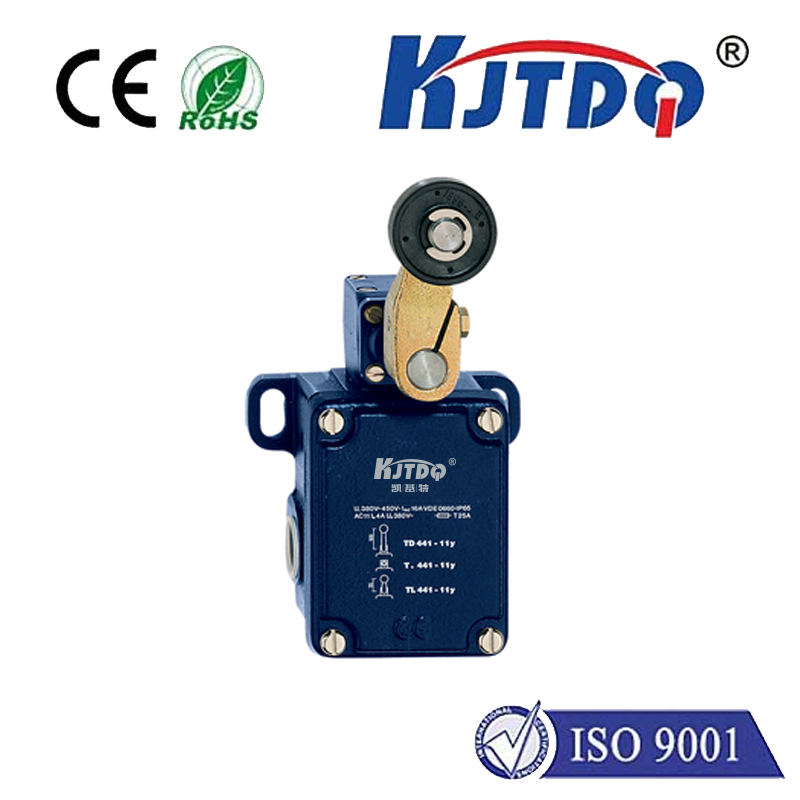
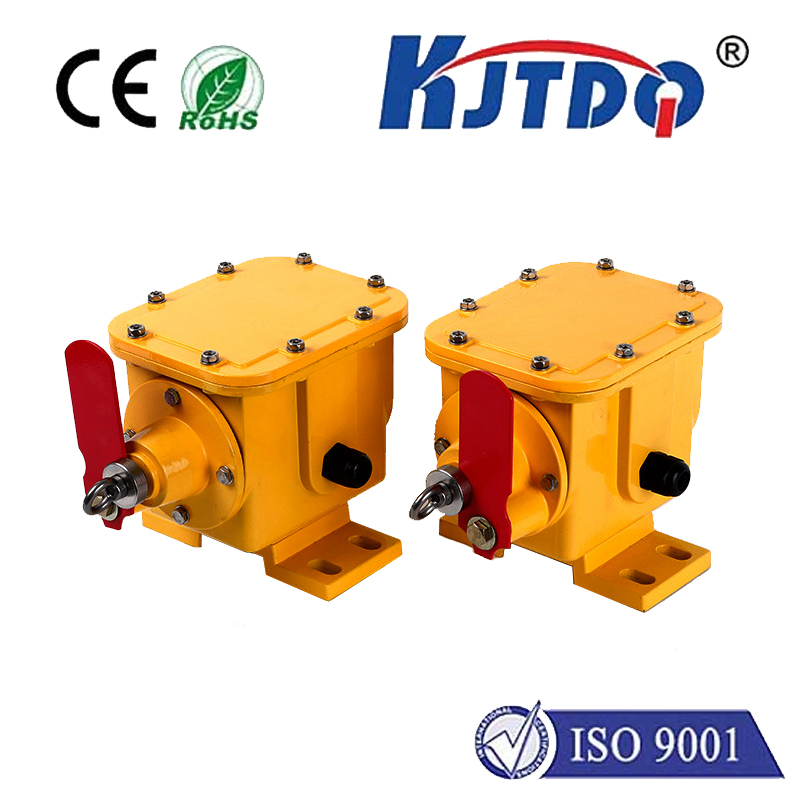
A latching limit switch is a type of electromechanical switch designed to maintain its state after being actuated, even when the actuating force is removed. Unlike momentary switches that return to their default position, latching switches "latch" into place, making them ideal for scenarios where a persistent signal is required. This mechanism typically involves a spring-loaded mechanism or magnetic hold, ensuring stability in harsh environments such as manufacturing floors, robotics, or heavy machinery.
The primary function of a latching limit switch is to detect the presence or position of an object, triggering a control action when a specific limit is reached. For instance, in conveyor systems, it can halt movement when a product reaches the end of a line, preventing damage or overflow. In safety applications, it might lock a door or gate until manually reset, enhancing operational security. The latching feature ensures that the switch remains in the triggered state until intentionally reset, reducing the risk of accidental deactivation.
Key advantages of using latching limit switches include durability and low maintenance. Constructed from materials like stainless steel or industrial-grade plastics, they withstand dust, moisture, and temperature fluctuations. Their simple design minimizes wear and tear, leading to longer service life compared to more complex sensors. Additionally, they offer cost-effectiveness, as they do not require continuous power to maintain their state, conserving energy in automated setups.
When selecting a latching limit switch, factors such as actuation type (e.g., roller lever, plunger), electrical ratings, and environmental resistance should be considered. Proper installation and regular testing are crucial to ensure optimal performance. In summary, latching limit switches are indispensable tools for enhancing control and safety in various industries, from automotive to packaging. By understanding their operation and benefits, professionals can implement more reliable and efficient systems.