check

check

check

check

check

check
In the intricate world of industrial automation and control systems, the reliability of every single component is paramount. Among the myriad of devices ensuring seamless operations, the limit switch stands as a fundamental sentinel. Specifically, the Bernstein limit switch has carved out a reputation for precision and durability in demanding environments. This article delves into the functionality, applications, and critical importance of these switches in modern industry.
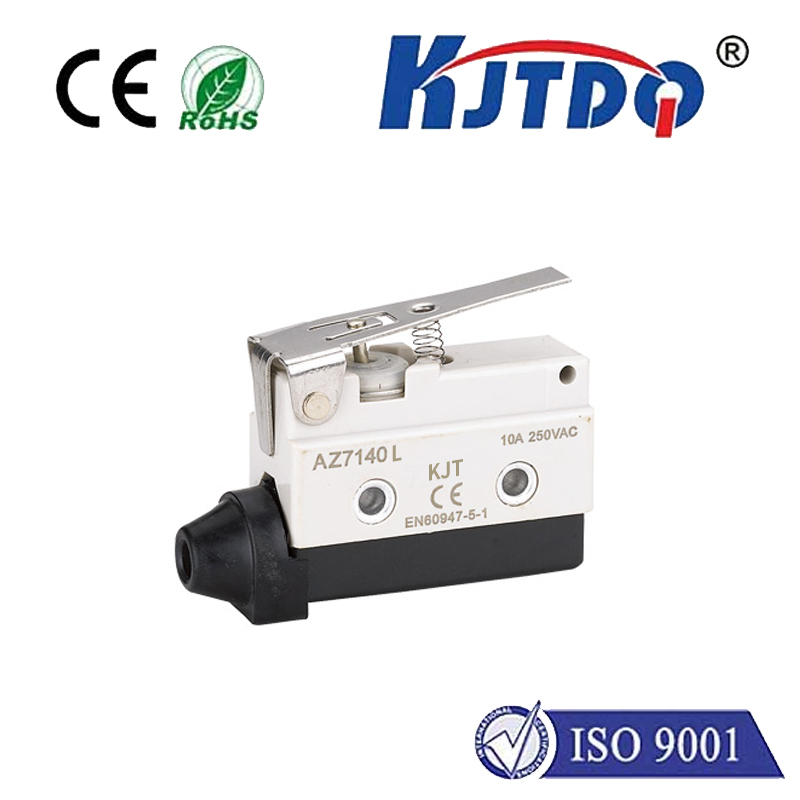
A limit switch, at its core, is an electromechanical device that requires physical contact with an object to detect its presence, absence, or position. It acts as a crucial interface between a physical motion and an electrical control system. When an object (often called an actuator) makes contact with the switch's operating head, it triggers a change in the electrical contacts within the switch body. This change—either opening or closing a circuit—sends a signal to a control unit like a PLC (Programmable Logic Controller). This simple yet effective mechanism is the backbone of countless automated sequences, from stopping a conveyor belt when a product reaches the correct position to preventing a machine door from opening while equipment is in motion.
The Bernstein brand is synonymous with high-quality industrial switching and control technology. Bernstein limit switches are engineered to meet rigorous international standards, offering robust construction that withstands harsh conditions including dust, moisture, vibration, and extreme temperatures. Their design often features a robust metal or high-grade plastic housing, providing superior mechanical life and ingress protection ratings such as IP67. This makes them ideal for applications in manufacturing plants, packaging machinery, material handling systems, and automotive assembly lines.
One of the key advantages of the Bernstein limit switch is its versatility. They come in various forms: rotary lever, plunger, roller plunger, and whisker types, each suited for different kinds of actuation. For instance, a rotary lever switch might be used to detect the angular position of a rotating arm, while a plunger type is perfect for precise linear position detection. This adaptability allows engineers to select the perfect switch for precise mechanical requirements, ensuring accurate and repeatable signaling.
Beyond basic position detection, these switches play a vital safety role. They are integral to safety interlock systems, ensuring that guards are in place before a machine can start, thereby protecting personnel from moving parts. The dependable performance of a Bernstein limit switch in such scenarios is non-negotiable, as it directly correlates with operational safety and compliance with regulations like those from OSHA or the Machinery Directive.
Installation and maintenance are also streamlined with these components. Many Bernstein switches offer clear visual indicators for contact status and are designed for easy mounting and wiring. Their longevity reduces downtime and maintenance costs, contributing to overall equipment effectiveness (OEE). For system integrators and maintenance technicians, choosing a reliable component like a Bernstein limit switch translates to fewer failures and more predictable machine behavior.
In conclusion, while often overlooked, the humble limit switch is a cornerstone of industrial automation. The Bernstein limit switch, with its robust design, reliable performance, and safety-critical applications, exemplifies the engineering excellence required in today's automated world. Selecting the right limit switch is not merely a technical specification; it is an investment in the reliability, safety, and efficiency of the entire production process. As industries continue to evolve towards smarter factories and Industry 4.0, the demand for such precise and durable sensing components will only grow, solidifying their role as indispensable elements in the control landscape.