check

check

check

check

check

check
In industrial environments where electrical equipment operates continuously, the margin for error is minimal. A single oversight in safety protocols can lead to catastrophic equipment failure, costly downtime, or, most critically, severe personnel injury. This is where engineered safety solutions, like the Bernstein safety switch, transition from being optional accessories to fundamental components of a responsible operational framework. These devices are not merely switches; they are sophisticated guardians designed to enforce safety procedures and isolate hazardous energy with absolute reliability.
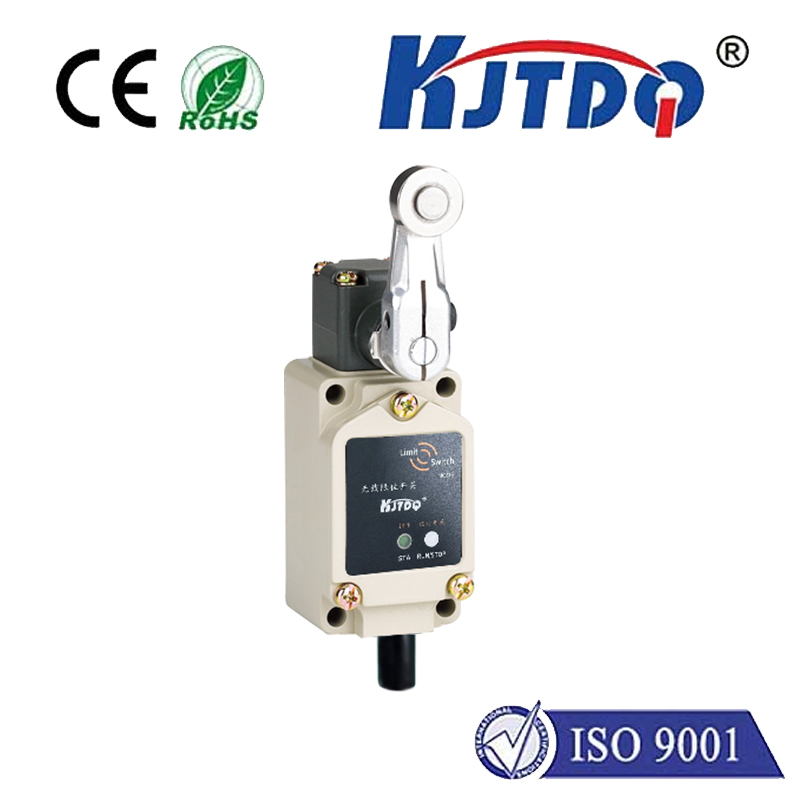
The core function of a safety switch, often referred to as a safety interlock switch, is to prevent access to a hazardous area or the operation of machinery unless specific safe conditions are met. For instance, on a robotic cell or a large press, a safety gate protects personnel. The Bernstein safety switch is strategically mounted so that the gate's movement directly actuates it. When the gate is opened, the switch's contacts change state, sending a signal to the machine's safety control system to immediately initiate a safe stop procedure—cutting power, halting motion, or dissipating stored energy. The machinery cannot restart until the gate is securely closed and the switch confirms the safe condition. This simple yet fail-safe principle forms the bedrock of machine safety, preventing accidental startups during maintenance or inspection.
What distinguishes a high-quality safety switch like those from Bernstein is its inherent design for reliability and tamper-resistance. These switches are built to meet rigorous international standards (such as ISO 13849-1 and IEC 60947-5-1). They often feature positive-guided, force-guided, or snap-action contacts. This engineering terminology translates to a critical guarantee: if the contacts weld shut due to a fault or surge, the mechanical design prevents the switch from falsely indicating a "safe" (open) condition. The switch will remain in, or default to, the safe state. Furthermore, robust housing materials (typically metal or high-grade polymer) protect the internal mechanism from environmental challenges like dust, moisture, oil, and mechanical impact, ensuring longevity even in harsh factory settings.
Beyond the basic gate monitoring, Bernstein safety switches offer versatile solutions for various safety applications. Magnetic-coded versions provide a high level of security against defeat, as only the uniquely coded actuator can operate the switch, preventing simple bypass with a screwdriver. Hinge-point switches can be integrated directly into a door's hinge to detect its open/closed status discreetly and reliably. Rotary handle switches combine the function of a main power isolator with a safety interlock, ensuring the isolator cannot be turned to "on" unless the cabinet door is locked, and the door cannot be opened while power is connected. This multi-functionality allows safety engineers to design comprehensive protection systems tailored to specific machine risks.
The operational benefits of implementing a robust safety interlock system with reliable components are substantial. First and foremost, it protects the workforce, fostering a culture of safety and compliance with regulations like OSHA or the Machinery Directive. This reduces the risk of accidents and associated liabilities. Secondly, it protects the capital investment in the machinery itself by preventing improper operation. Perhaps less obvious but equally important is the efficiency gain. When operators and maintenance technicians trust that a machine will not start unexpectedly, they can perform tasks like cleaning, tool changes, or minor adjustments more confidently and quickly, reducing non-productive time. A well-designed safety system, therefore, is not a hindrance to productivity but an enabler of smooth, uninterrupted, and safe production flow.
Selecting the right safety switch requires careful consideration. Factors include the required Safety Integrity Level (SIL or PLr), the environmental conditions (IP rating), the type of actuator (cam, magnet, key), the electrical specifications of the load, and the need for monitoring capabilities. Consulting with safety specialists or directly with manufacturers is crucial to ensure the selected device, such as the appropriate Bernstein safety switch model, is perfectly suited for the application. Proper installation and integration into the safety control circuit, often involving redundant channels and regular functional testing, are the final, critical steps to ensure the system performs as intended for years to come.
In conclusion, in the complex ecosystem of industrial automation, the Bernstein safety switch represents a critical point of control where human interaction meets machine hazard. It is a meticulously engineered device that translates a physical action—closing a gate or door—into a guaranteed electronic safety signal. By investing in such certified, reliable safety components, companies do more than just meet compliance checkboxes. They build a foundational layer of protection that safeguards their most valuable assets: their people and their productive capacity, ensuring that operational efficiency is always paired with unwavering safety.