check

check

check

check

check

check
In industrial automation and machinery control, the proper functioning of limit switches is paramount for safety, precision, and operational efficiency. The Soldo limit switch, a reliable component in countless applications, requires correct installation, configuration, and maintenance as outlined in its official manual. This guide delves into the essential aspects of the Soldo limit switch manual, providing a clear interpretation to help technicians and engineers maximize the device's lifespan and accuracy.
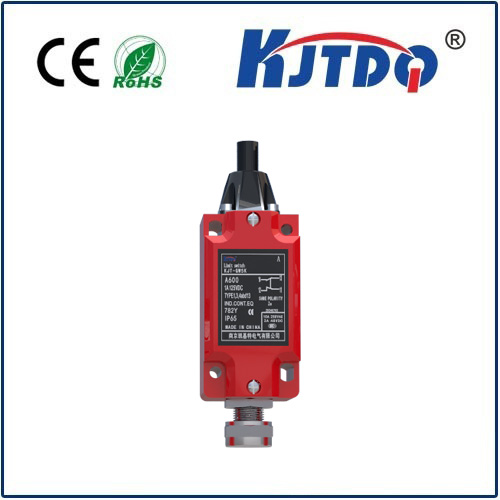
A limit switch is an electromechanical device that detects the presence or absence of an object, or monitors its movement limits, by physically making or breaking an electrical contact. The Soldo limit switch manual typically begins with critical safety instructions. These are not mere formalities; they are designed to prevent electrical shock, equipment damage, and personal injury. Always ensure power is completely disconnected from the circuit before attempting any installation, wiring, or inspection. The manual will specify the voltage, current, and environmental ratings (like IP rating for ingress protection) that must be strictly adhered to. Operating the switch outside these parameters voids warranties and creates significant hazards.
The core of the manual is the installation and mounting section. Soldo switches come in various actuator types: lever, roller plunger, or rod. The manual provides precise diagrams showing correct mounting orientation, actuator alignment, and required clearances. Incorrect mounting can lead to false triggering, premature wear, or mechanical failure. For instance, the manual will specify the exact operating force and overtravel limits for a plunger-type switch. Exceeding the mechanical overtravel can damage internal components. Proper alignment ensures the target machine part (the cam or dog) engages the actuator smoothly and consistently at the programmed set point.
Wiring is another crucial chapter. The Soldo limit switch manual contains detailed terminal diagrams identifying normally open (NO), normally closed (NC), and common contacts. It will specify the recommended wire gauge, torque for terminal screws, and the necessity of using a conduit gland for strain relief in industrial environments. A common mistake is confusing NO and NC contacts, which can invert the control logic and cause unsafe machine behavior. The manual also addresses grounding requirements to prevent electrical noise and ensure stable signal transmission to the Programmable Logic Controller (PLC) or relay system.
Setting and adjustment procedures are where precision is achieved. Many Soldo limit switches allow for minor adjustments to the actuation point. The manual provides step-by-step instructions, often involving locking screws or adjustable cams. Technicians must use the correct tools and follow the sequence to calibrate the switch so it triggers exactly when the moving part reaches the desired position. This process might involve a trial run at slow speed while monitoring the output signal with a multimeter or the PLC's input indicator.
Routine maintenance and troubleshooting form the final essential part of the manual. Regular inspection intervals are suggested, focusing on the actuator mechanism for signs of physical damage, wear, or accumulation of debris (like metal shavings or oil). The contact block's electrical life, rated in millions of operations, is also listed. The troubleshooting guide is an invaluable tool, presenting a table of common problems—such as "switch does not operate," "erratic operation," or "premature failure"—along with their probable causes (e.g., misalignment, excessive load, contaminated contacts) and corrective actions. Following these guidelines prevents minor issues from escalating into major downtime.
In conclusion, the Soldo limit switch manual is far more than a simple accessory document. It is the comprehensive blueprint for safe installation, precise operation, and prolonged service life. By thoroughly reading and adhering to its specifications for safety, mounting, wiring, adjustment, and maintenance, operators ensure that these critical components perform their function reliably. This diligence safeguards both personnel and machinery, contributing directly to the overall productivity and safety of automated systems. Never assume familiarity; always consult the specific manual for your Soldo switch model, as details can vary between product lines.