check

check

check

check

check

check
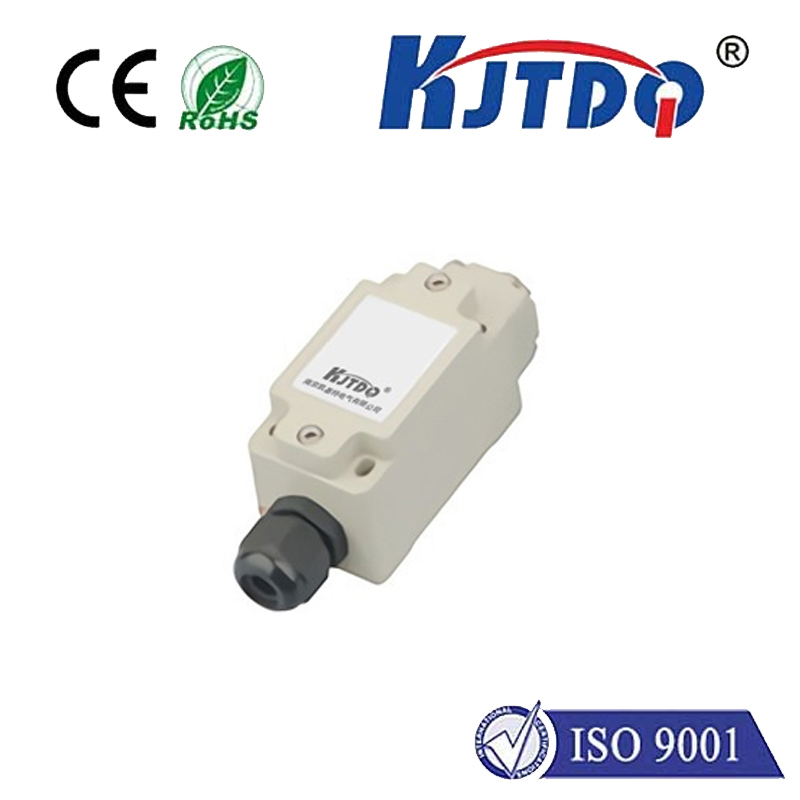
In the fast-paced world of industrial automation, precision and reliability are paramount. Among the myriad components that ensure seamless operations, the limit switch with indicator light stands out as a critical device for monitoring and control. This innovative switch not only performs its primary function of detecting the presence or position of objects but also provides immediate visual feedback through its integrated indicator light, making it an indispensable tool in modern manufacturing, packaging, and machinery systems.
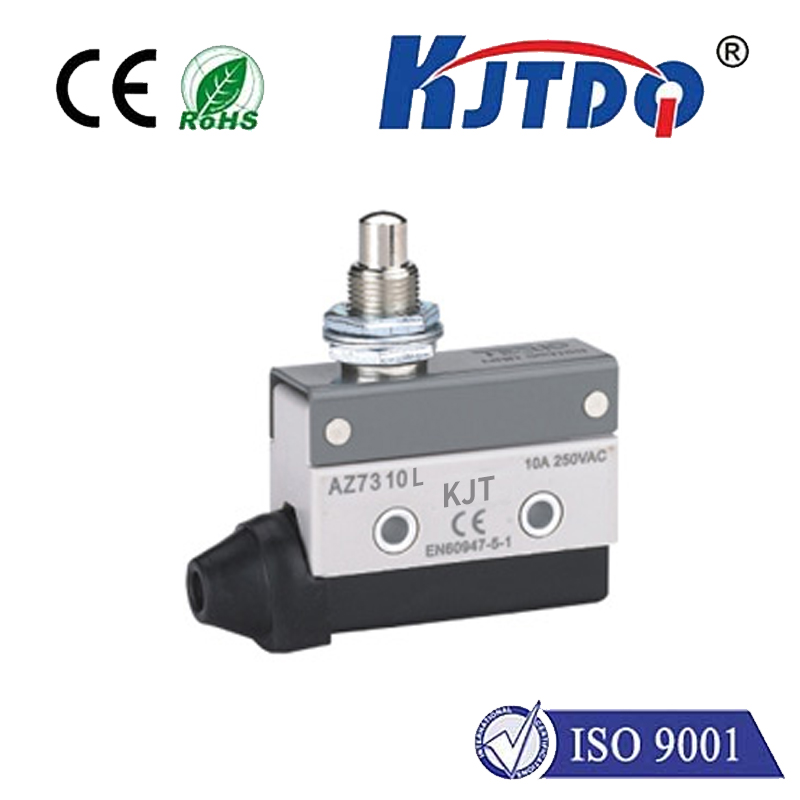
A limit switch with indicator light operates by activating or deactivating an electrical circuit when a physical object makes contact with its actuator. This simple yet effective mechanism is used to limit the movement of machinery, prevent over-travel, and initiate specific actions in automated processes. What sets this switch apart is the addition of an LED or neon light that illuminates when the switch is triggered. This visual signal allows operators and maintenance personnel to quickly assess the status of equipment from a distance, reducing downtime and enhancing safety. For instance, in conveyor belt systems, a glowing indicator can confirm that a product has reached its intended position, while in robotic arms, it can signal the completion of a cycle, enabling real-time adjustments without manual inspection.
The benefits of incorporating a limit switch with indicator light into industrial setups are multifaceted. Firstly, it boosts operational efficiency by providing instant visual confirmation, which minimizes errors and speeds up troubleshooting. In environments where multiple switches are deployed—such as assembly lines or CNC machines—the lights help identify which specific switch has been activated, streamlining maintenance and reducing diagnostic time. Secondly, safety is significantly enhanced. The clear visual cues prevent accidental machine starts or unintended movements, protecting workers from potential hazards. In compliance with industry standards like ISO 13849 for safety-related control systems, these switches contribute to creating safer workplaces by offering reliable, fail-safe indications.
Moreover, the durability and versatility of these switches make them suitable for harsh industrial conditions. Many models are designed with robust housings that resist dust, moisture, and extreme temperatures, ensuring longevity in demanding applications. From automotive manufacturing to food processing, the limit switch with indicator light adapts to various sectors, offering customizable options such as different actuator types (e.g., roller lever or plunger) and light colors (e.g., red for alerts, green for normal operation). This flexibility allows engineers to tailor the switch to specific needs, optimizing performance across diverse machinery.
In practice, integrating a limit switch with indicator light is straightforward. It typically involves mounting the switch at a strategic point along a machine’s path, connecting it to a control system, and calibrating it for precise detection. Regular maintenance, such as checking the actuator alignment and cleaning the lens, ensures consistent performance. As industries embrace Industry 4.0 and smart manufacturing, these switches are increasingly interfaced with IoT platforms, enabling remote monitoring and data analytics for predictive maintenance. This evolution underscores their role in driving automation forward, combining mechanical simplicity with digital intelligence.
Ultimately, the limit switch with indicator light exemplifies how small components can have a profound impact on industrial productivity. By delivering reliable detection coupled with immediate visual feedback, it empowers businesses to achieve higher accuracy, reduce costs, and maintain safe operations. As technology advances, we can expect further innovations in this space, such as enhanced connectivity and energy-efficient designs, solidifying its place as a cornerstone of automated systems worldwide.