check

check

check

check

check

check
In the world of industrial automation and heavy machinery, precision and reliability are non-negotiable. At the heart of many motion control systems lies a critical component: the limit switch for hydraulic cylinders. This device is far more than a simple on/off trigger; it is a sophisticated sentinel that ensures operational accuracy, protects expensive equipment, and safeguards personnel. Understanding its function, types, and applications is essential for optimizing any system reliant on hydraulic linear motion.
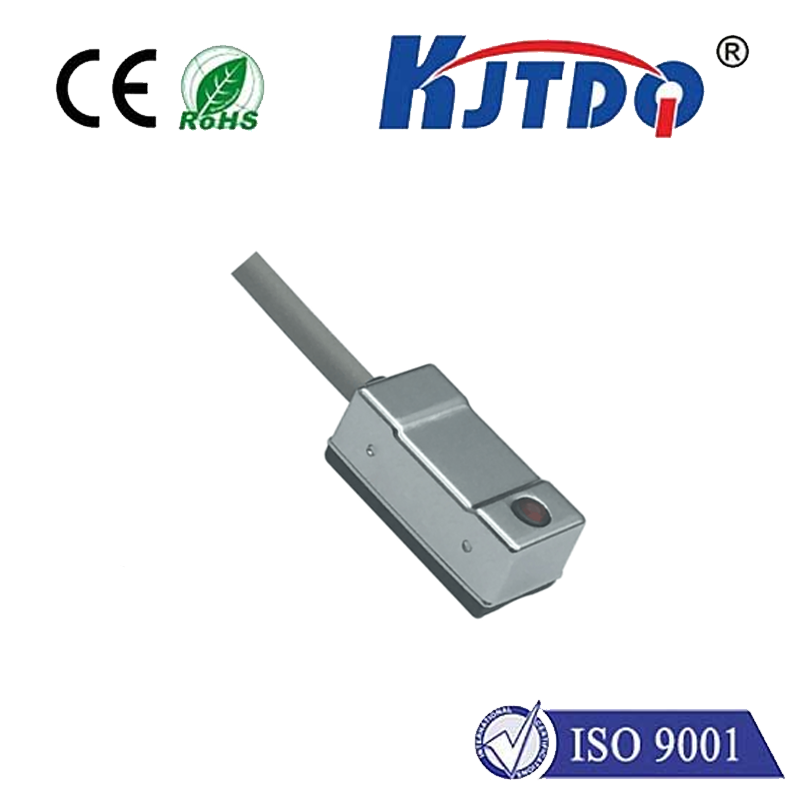
A limit switch for a hydraulic cylinder is a sensor designed to detect the presence or position of the cylinder's piston rod. It is typically mounted on the cylinder body and actuated when the rod reaches a predetermined point in its stroke. This actuation sends an electrical signal to the control system, which can then initiate a sequence—such as stopping, reversing, or changing the speed of the cylinder—or trigger an alert. This fundamental action forms the backbone of automated cycle control, preventing over-travel that could cause mechanical damage, fluid leaks, or catastrophic failure.
The importance of this component cannot be overstated. Without a properly functioning limit switch, a hydraulic cylinder would rely solely on timers or pressure sensors, which are less precise for positional control. This lack of precision leads to inefficiencies, increased wear and tear, and potential safety hazards. By providing exact positional feedback, limit switches enable repeatable and accurate operations, which is crucial in applications like metal stamping, injection molding, assembly lines, and material handling equipment.
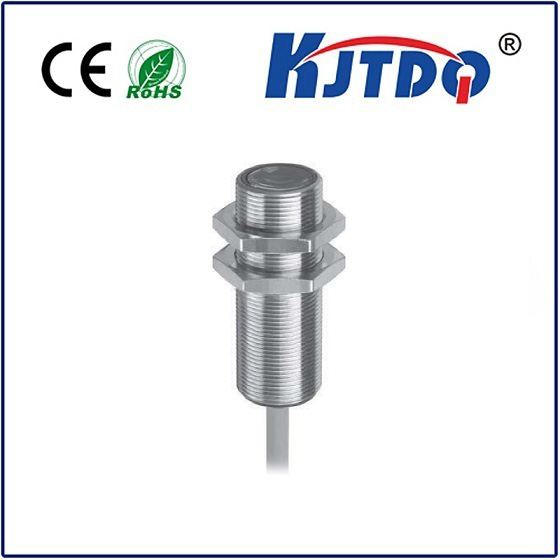
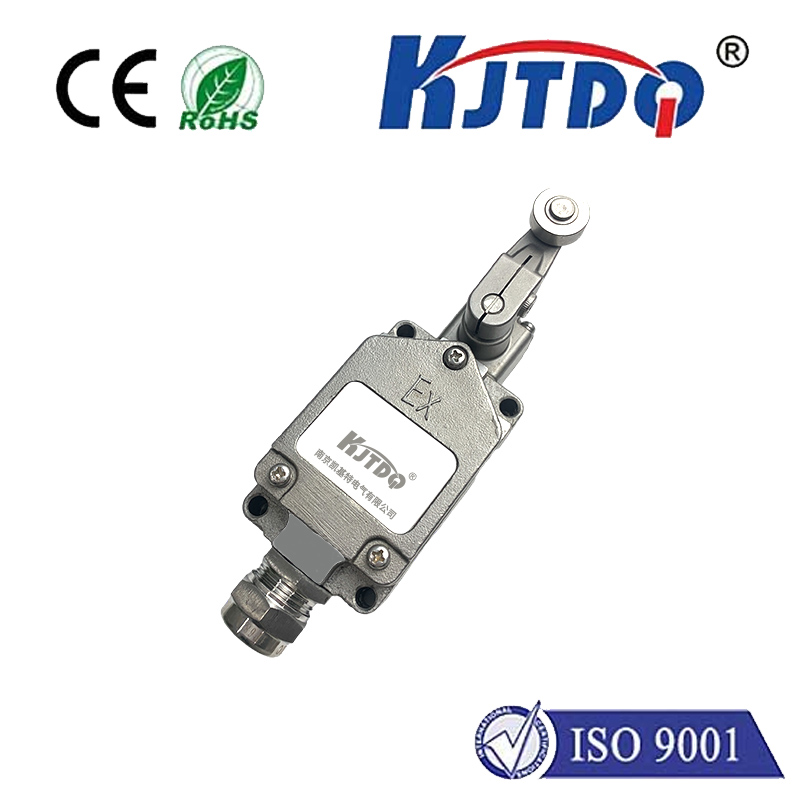
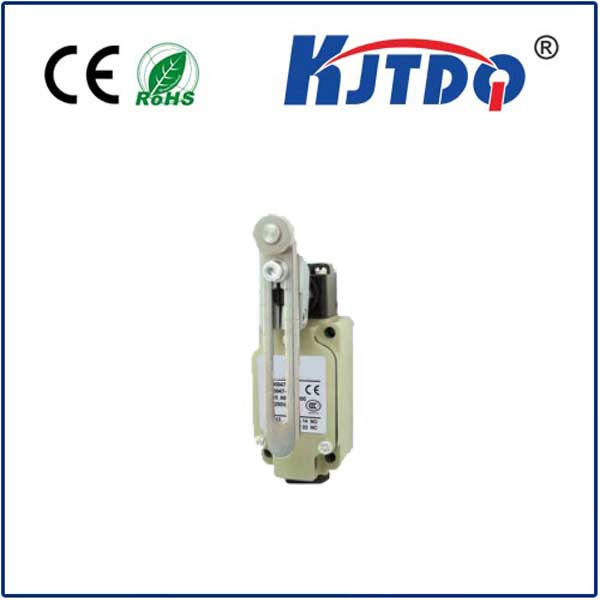
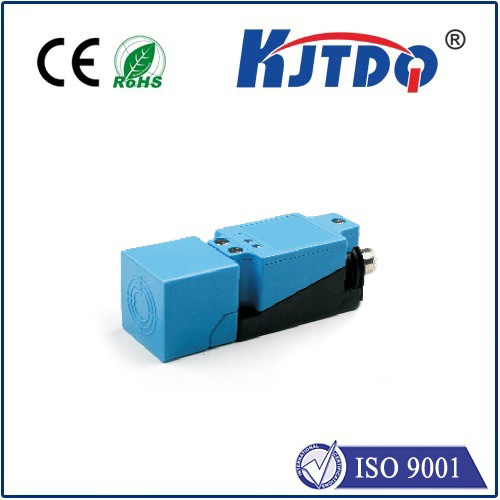
Several types of limit switches are employed with hydraulic cylinders, each suited to different environmental and operational demands. The most common is the mechanical contact switch, often a ruggedized plunger or lever-arm style. These are known for their durability and straightforward design, making them a cost-effective choice for many industrial settings. For environments with excessive vibration, shock, or contamination, non-contact switches are preferred. Inductive proximity switches, for instance, detect the metal of the piston rod without physical touch, offering higher reliability and longer life in dirty or wet conditions. Other variants include magnetic reed switches, which are actuated by a magnet on the piston, and even advanced linear potentiometers for continuous position feedback rather than simple end-point detection.
Selecting the right limit switch involves careful consideration of several factors. The operating environment is paramount; switches may need specific ingress protection (IP) ratings for dust and water resistance, or robust housings to withstand high-pressure washdowns. Electrical specifications—such as voltage, current rating, and output type (e.g., PNP/NPN)—must match the control system. Mechanical considerations include the required actuation force, repeat accuracy, and mounting configuration. For hydraulic applications, resilience to oil, grease, and constant vibration is a mandatory requirement.
Installation and maintenance are key to ensuring long-term performance. Proper alignment during mounting is critical to prevent false triggers or missed signals. Regular inspection for physical damage, loose connections, and contamination buildup should be part of routine maintenance schedules. For mechanical switches, checking the actuator arm for wear is essential. Modern, sealed non-contact switches significantly reduce maintenance needs but still require periodic verification of their signal integrity.
The integration of a high-quality limit switch directly impacts system productivity and safety. It transforms a basic hydraulic cylinder into an intelligent component of a larger automated process. By defining precise start and stop points, it minimizes cycle time, reduces energy consumption, and ensures consistent product quality. From a safety perspective, it acts as a primary interlock, preventing machinery from operating outside its safe parameters, thereby protecting both the equipment and the operators.
In conclusion, the limit switch for a hydraulic cylinder is a pivotal element in modern industrial control. Its role in enabling precise, safe, and efficient automated motion is indispensable. Whether opting for a traditional mechanical design or a state-of-the-art non-contact sensor, investing in the correct limit switch solution pays dividends in enhanced operational reliability, reduced downtime, and improved overall system intelligence. For engineers and maintenance professionals, a deep understanding of this component is a fundamental step toward building more resilient and productive machinery.