check

check

check

check

check

check
In the realm of industrial automation and safety systems, the reliability of door and gate monitoring is paramount. The roller plunger door switch, a fundamental component in this domain, plays a critical role in ensuring operational safety, process control, and equipment protection. This article delves into the functionality, applications, and key benefits of these versatile switches, highlighting why they are a preferred choice for engineers and facility managers.
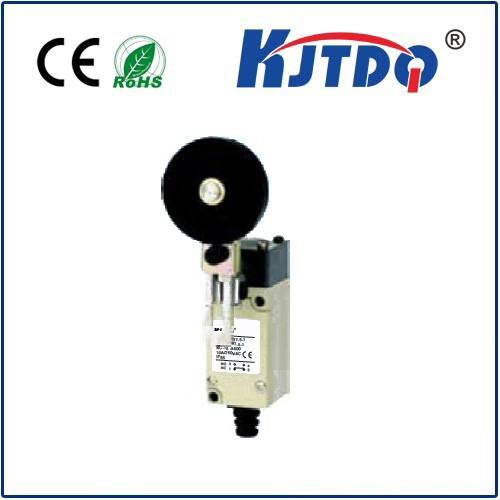
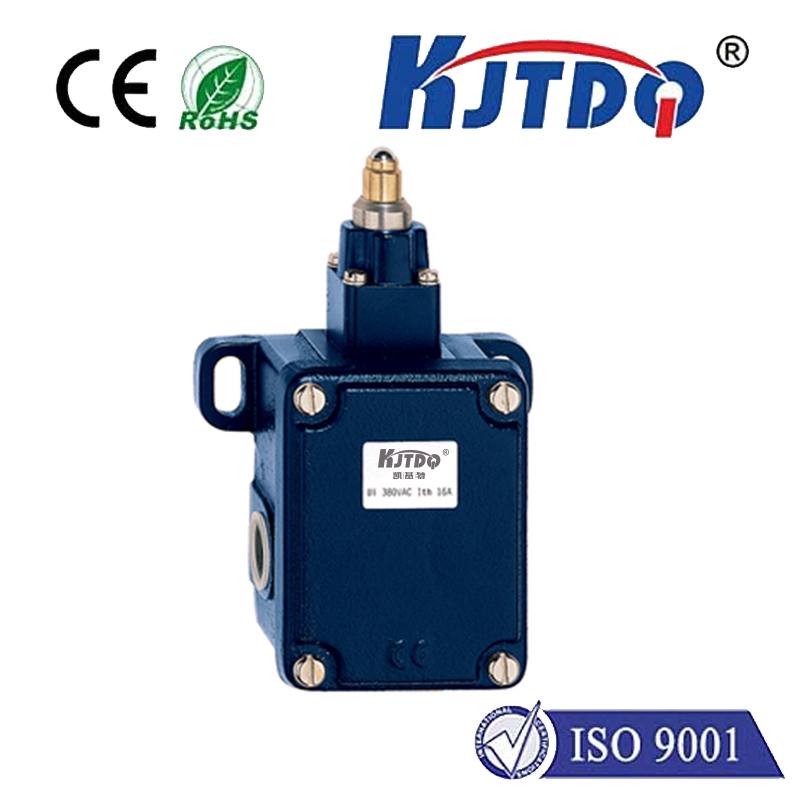
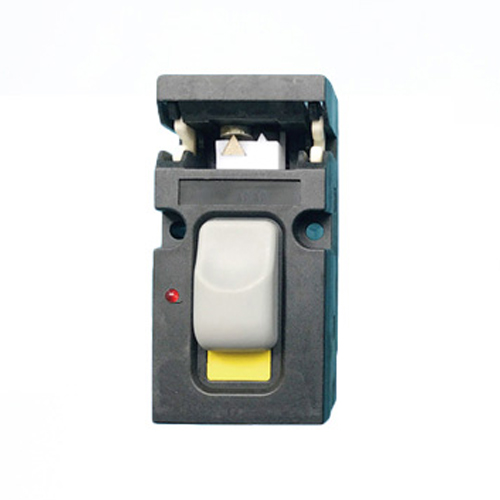
A roller plunger door switch is a type of limit switch designed to detect the position or movement of a door, gate, or guard. Its core mechanism consists of a spring-loaded plunger with a roller tip. When a door closes or an object makes contact, the plunger is depressed, actuating the internal electrical contacts to change state—typically opening or closing a circuit. The roller at the end minimizes friction and wear, allowing for smooth operation even with repeated use or slight misalignment. This simple yet robust design makes it exceptionally durable in demanding environments.
The applications for roller plunger door switches are extensive across various industries. In manufacturing and assembly lines, they are indispensable for machine guarding. By installing these switches on safety doors or enclosures of robotic cells, presses, or CNC machines, they ensure the machine cannot operate unless the guard is securely closed, directly protecting personnel from hazardous motion. Within the logistics and warehousing sector, they monitor the status of large bay doors, dock levelers, and automated storage systems, providing essential feedback for control systems and preventing accidents during loading operations. Furthermore, in elevator systems, they verify that elevator car doors and hoistway doors are fully closed before movement is permitted, a non-negotiable safety feature.
The advantages of integrating high-quality roller plunger door switches into a system are multifaceted. First and foremost is enhanced safety compliance. They provide a positive mechanical means of interlocking, helping facilities meet stringent international safety standards such as ISO 13849-1. Secondly, they contribute to operational efficiency. By providing reliable position feedback, they prevent process interruptions caused by faulty door detection, reducing downtime. Their mechanical nature often offers higher reliability and noise immunity compared to some purely electronic sensors, especially in areas with electrical interference. The rugged construction, often featuring metal housings and high IP (Ingress Protection) ratings, ensures longevity even when exposed to dust, moisture, vibration, and temperature variations common in industrial settings.
When selecting a roller plunger door switch, several factors warrant consideration. The operating force and travel of the plunger must match the door's movement to ensure consistent actuation. The electrical rating (voltage and current) must be compatible with the control circuit. Environmental conditions dictate the required ingress protection level. Additionally, the choice between normally open (NO) and normally closed (NC) contacts depends on the fail-safe requirements of the safety circuit; NC contacts are often preferred in safety loops as a wire break will be detected as a fault.
In conclusion, the roller plunger door switch is more than just a simple component; it is a vital link in the chain of industrial safety and automation. Its dependable performance in confirming door position is crucial for protecting workers, safeguarding machinery, and ensuring seamless automated processes. For any application where the secure status of an access point needs verification, this switch offers a proven, robust, and effective solution. As technology evolves, these switches continue to be a foundational element, providing the physical interface upon which smarter, safer systems are built.