check

check

check

check

check

check
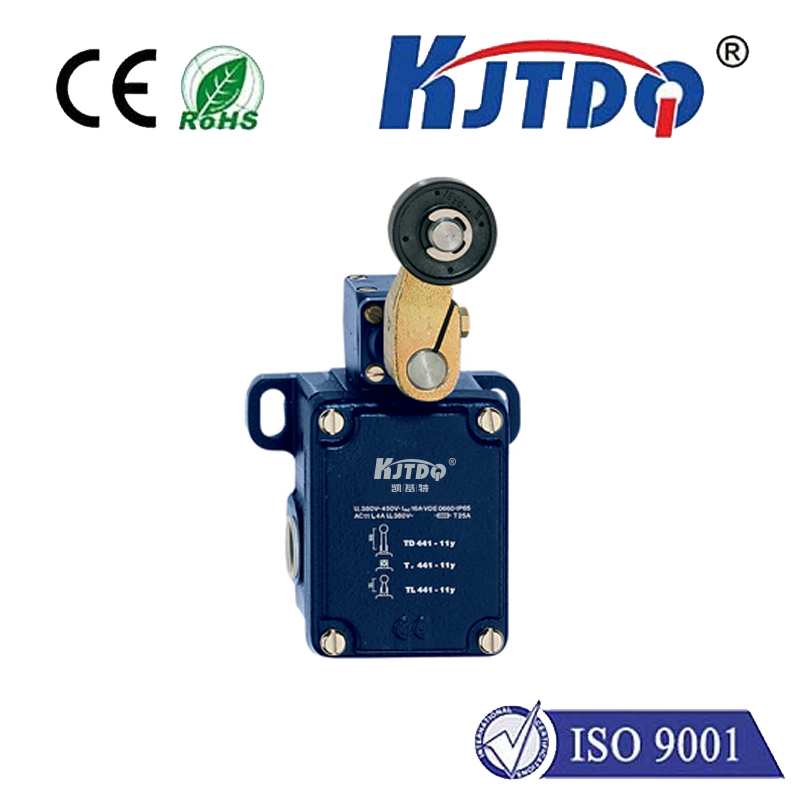
In industrial environments where machinery and automated systems operate continuously, the integration of safety components is not merely a regulatory compliance issue but a fundamental pillar of operational integrity. Among these critical components, the safety position switch plays an indispensable role. This device, often perceived as a simple sensor, is in fact a sophisticated guardian, meticulously designed to monitor the position of guards, doors, or movable safety guards on machinery. Its primary function is to ensure that hazardous machine functions cannot initiate or continue unless the protective device is securely closed and in the correct position.
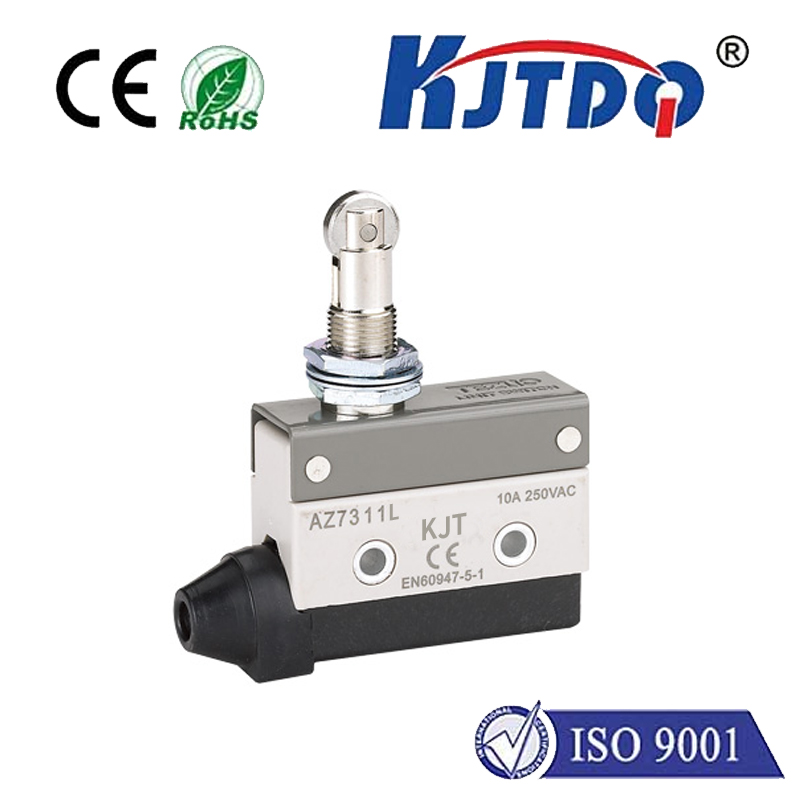
The operational principle of a safety position switch is elegantly precise. Typically, it consists of an actuator (like a cam or a key) attached to the moving part (e.g., a guard door) and a switch body mounted on the fixed frame. When the guard is properly closed, the actuator engages with the switch, changing its internal state. This change generates a signal that is fed into the machine's safety control system—often a Safety PLC or a safety relay. Only upon receiving this "safe" signal does the control system permit the potentially dangerous machine cycle to start. If the guard is opened during operation, the switch immediately detects the disengagement, breaks the safety circuit, and commands the machine to stop or enter a safe state, thereby preventing access to hazardous areas while parts are still in motion.
Modern safety position switches are engineered to meet rigorous international safety standards such as ISO 13849-1 and IEC 62061. Key to their design is the concept of "positive-guided" or "force-guided" contacts. This means the switch's normally open and normally closed contacts are mechanically linked in such a way that they cannot be closed simultaneously, even in the event of a weld failure. This fail-safe design is crucial for achieving high Safety Integrity Levels (SIL) or Performance Levels (PL), ensuring reliability even under fault conditions. Furthermore, many models feature a tamper-resistant design with coded actuators, making it extremely difficult to bypass or defeat the safety function—a critical consideration for preventing deliberate circumvention.
The applications for safety position switches are vast and varied. They are ubiquitous in sectors like automotive manufacturing, where they secure access points to robotic welding cells and press brakes. In the packaging industry, they protect operators at the infeed and discharge points of high-speed wrappers and palletizers. They are also essential on woodworking machinery, plastic injection molding machines, and automated assembly lines. Essentially, anywhere there is a movable guard providing access to a machine hazard, a robust safety position switch is a mandatory component of the safeguarding system.
Selecting the right safety position switch requires careful consideration of several factors. The environmental conditions are paramount; switches may need to resist dust, moisture, oils, and coolants, often requiring high Ingress Protection (IP) ratings. The required safety level (PL or SIL) dictates the switch's internal architecture—whether a simple single-channel device suffices or a dual-channel, monitored system is necessary for higher-risk applications. Mechanical durability, including the number of operating cycles and resistance to shock/vibration, is also critical for long-term reliability. Finally, ease of installation, alignment, and integration with the existing safety control architecture are practical concerns that impact total cost of ownership.
Beyond basic safety, integrating advanced safety position switches contributes significantly to overall plant efficiency. By enabling safe and controlled access for maintenance, tool changes, or clearing jams without a full system shutdown, they reduce machine downtime. Their reliable signaling allows for faster machine cycle times with confidence in the safeguarding system. When integrated into a networked safety system, they can provide valuable diagnostic data, predicting maintenance needs and preventing unscheduled stops. Thus, a high-quality safety position switch is not a cost center but an investment that protects both personnel and productivity.
In conclusion, the humble safety position switch is a cornerstone of modern industrial safety. It is a precise, reliable, and intelligent interface between human operators and potentially dangerous machinery. By ensuring that guards are securely closed before machine operation, it forms the first and most critical line of defense against accidents. For engineers, system integrators, and plant managers, specifying and maintaining the correct safety position switches is a non-negotiable responsibility. It is a commitment to creating a workplace where safety and efficiency are not competing goals but mutually reinforcing principles, powered by dependable technology like the KJTDQ safety position switch.